If your kitchen still looks like it belongs in a 2018 real estate listing, it’s time for a serious conversation.
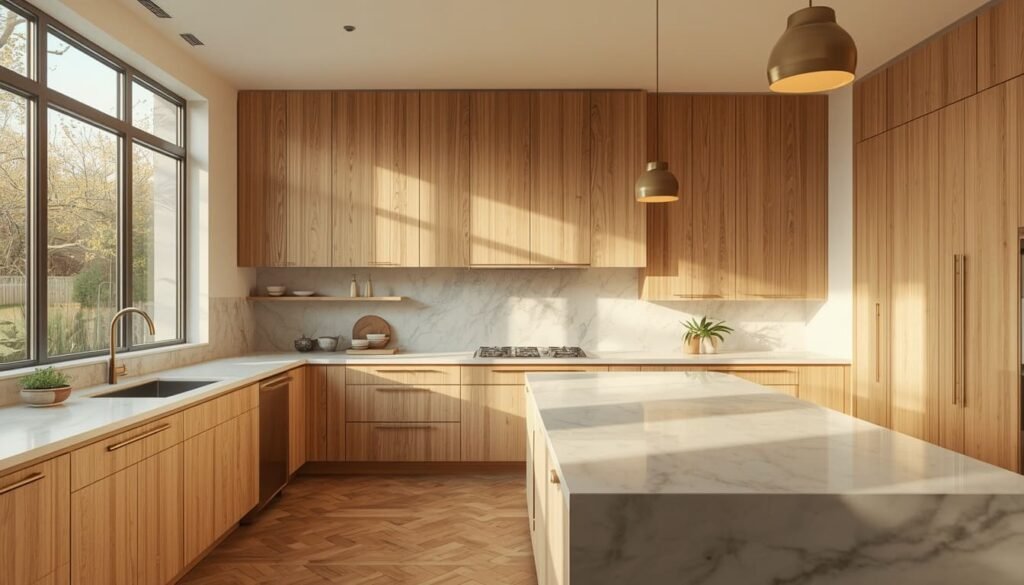
The way Americans cook, entertain, and actually live in their kitchens has shifted dramatically. I’ve been watching this space closely, and 2026 isn’t bringing flashy gimmicks or overnight fads. What I’m seeing instead is a genuine move toward warmth, intention, and kitchens that actually work harder for the people inside them. Whether you’re planning a full remodel or just a smart refresh, these kitchen trends 2026 will help you make decisions you won’t regret two years from now.
My Design Notes
A young couple in Austin, Texas came to me with a classic 1990s builder grade nightmare. Oak cabinets, beige laminate counters, fluorescent lighting that made everything look vaguely medical. Their budget was $28,000 and their first instinct was to tear everything out.
I talked them out of it. We kept the cabinet boxes, refaced them in a warm mushroom toned paint, swapped the counters for leathered quartzite, and added unlacquered brass hardware sourced from Rejuvenation. One dramatic zellige tile backsplash behind the range pulled the whole room together. Final spend was $14,200. The result genuinely looked like a $60,000 renovation.
That project stuck with me because it proved something I now tell every single client before we discuss budgets. Restraint plus one bold move will always beat a full overhaul. My job isn’t to spend your money. It’s to make your kitchen feel like it was always supposed to look this good.
Mastering Modern Kitchen Design Trends 2026 for a Stunning Home Upgrade
1. Warm Wood Cabinets Are Officially Back
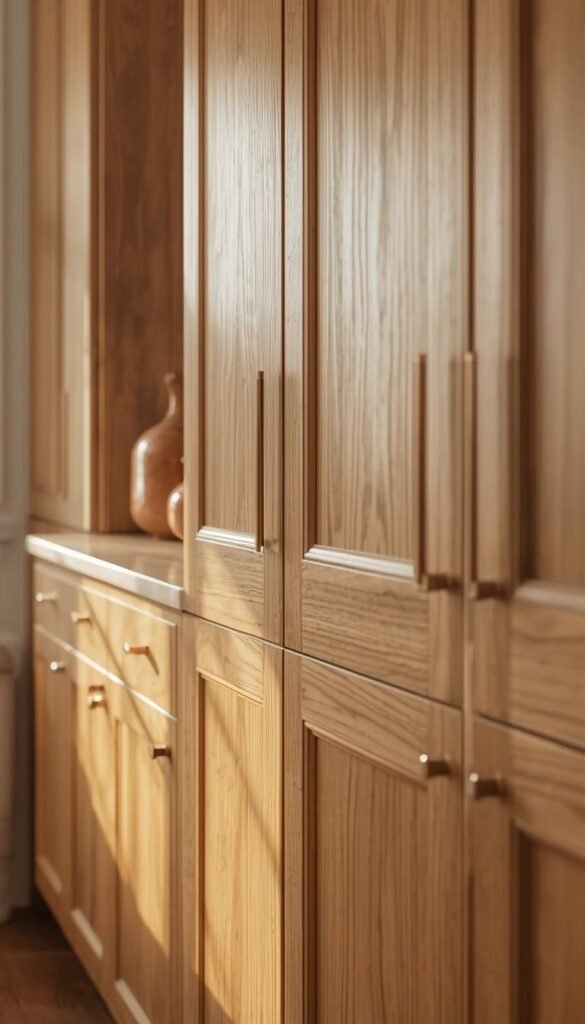
For years, white kitchens ruled every Pinterest board and HGTV episode in America. And honestly? They had a good run. But in 2026, warm wood cabinets are taking back the spotlight in a big way, and I couldn’t be happier about it.
Medium toned woods like white oak, walnut, and honey maple are leading this comeback. They bring something a painted cabinet simply can’t texture, grain, and that unmistakable sense that the material actually came from somewhere. Paired with stone countertops and matte black or brass hardware, a warm wood kitchen feels grounded and genuinely inviting rather than staged for a photoshoot.
A quick thing I’ve learned working with US clients on this trend: not all wood finishes age the same way. Lighter, wire brushed oak handles everyday wear beautifully and hides minor scratches far better than a darker stained finish. If you have kids or pets, that detail matters more than you’d think.
Here’s what’s working best right now in American kitchens:
- White oak with leathered quartzite counters effortlessly organic and incredibly durable
- Walnut lower cabinets paired with creamy upper cabinets warmth without the cave effect
- Honey maple with unlacquered brass pulls nostalgic but surprisingly fresh
Budget reality: fully custom wood cabinetry runs $15,000 to $35,000 installed. Semi custom through brands like Cabinets To Go or IKEA’s Axstad line gets you a similar warmth at a fraction of that cost.
2. Earthy Kitchen Colors Replace Cool Grays
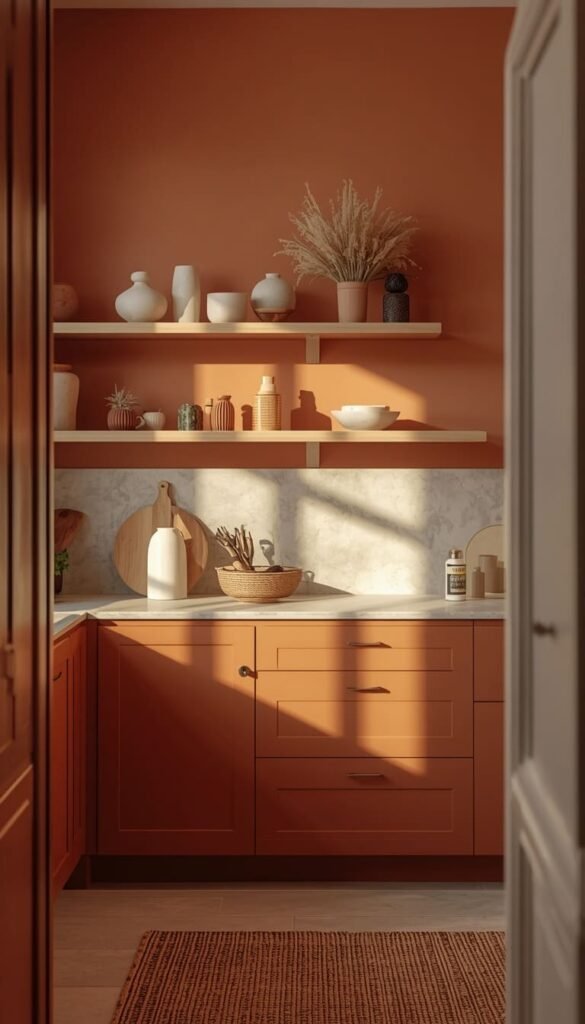
Gray kitchens had a decade long moment. That moment is over. What’s replacing them across American homes in 2026 is a softer, warmer palette that feels like a deep exhale think clay, mushroom, warm taupe, sage, and muted terracotta.
These earthy kitchen colors don’t just look beautiful. They feel different. There’s actual psychology behind why warmer tones make a kitchen feel more comfortable and less clinical. I’ve noticed clients spending more time in their kitchens after a color shift like this, which is ultimately the whole point.
One thing to watch out for is going too dark too fast. A lot of homeowners see a gorgeous deep olive green on Instagram and paint every cabinet that color, then wonder why their kitchen feels smaller. My advice is always to commit that deeper tone to one element the island, the lower cabinets, or even just the pantry door and let the rest of the room breathe in a lighter earthy neutral.
Farrow & Ball’s Breakfast Room Green, Benjamin Moore’s Pale Oak, and Sherwin Williams Accessible Beige are three colors I’ve personally recommended more times than I can count this year. All three sit in that sweet spot of warm without being overwhelming.
3. The Two Tone Kitchen Cabinet Revolution
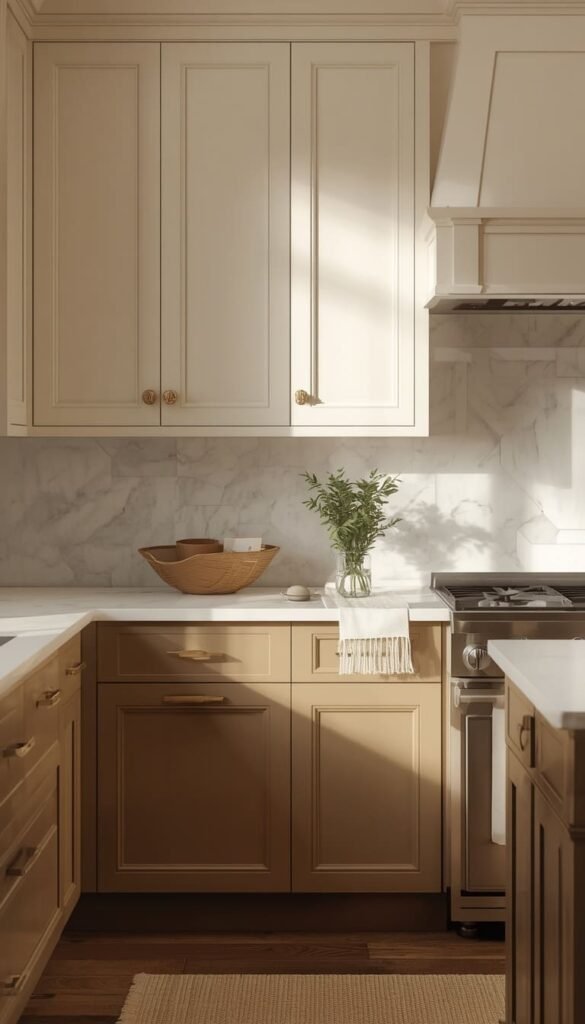
Two tone kitchens aren’t new, but the way designers are executing them in 2026 is noticeably more refined. We’ve moved past the jarring navy lower white upper combination that felt trendy but often looked like two different kitchens collided. What’s emerging now is more considered subtle contrast, tonal layering, and combinations that feel curated rather than copied.
The most successful two tone kitchen cabinets I’m seeing pair a warm mid tone on the lowers (a soft mushroom, warm greige, or muted olive) with a slightly lighter, creamier shade on the uppers. The contrast is there, but it’s quiet. It adds dimension without visual chaos.
Budget breakdown worth knowing:
- High end execution custom cabinetry in two painted finishes runs $20,000 to $45,000 depending on kitchen size
- Mid range sweet spot semi custom cabinets with a professional painter doing the color split lands around $8,000 to $14,000
- Budget-friendly version painting existing cabinets yourself in two coordinating tones costs as little as $400 in materials
The renter friendly angle here is real too. If you can’t touch your cabinets, swapping upper cabinet doors for open shelving in a contrasting wood tone achieves a similar layered effect with zero permanent commitment.
4. Kitchen Islands as Full Living Hubs
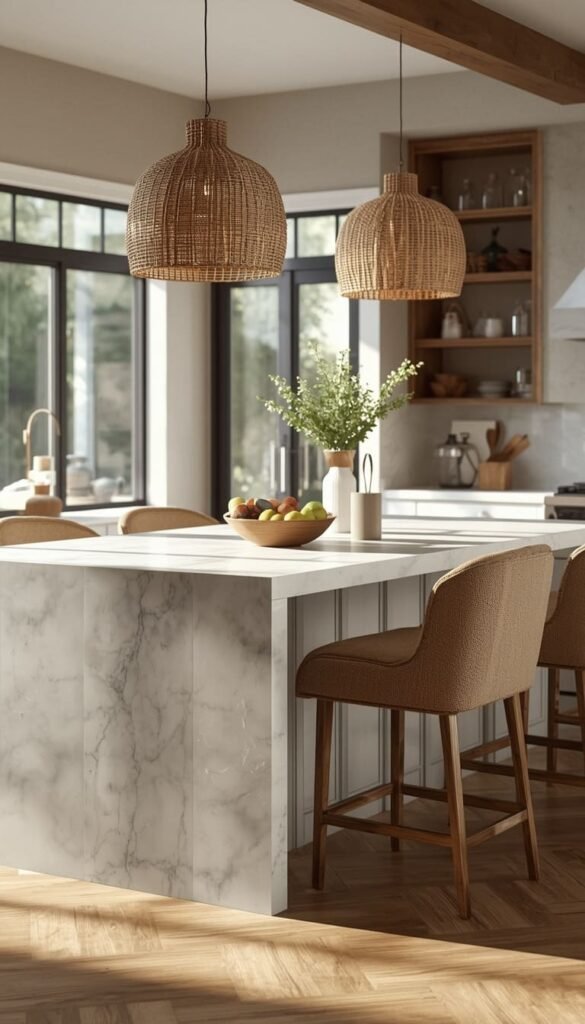
The kitchen island has quietly become the most hardworking piece of furniture in the American home. In 2026, it’s no longer just a prep surface with a couple of bar stools. It’s a command center and designers are treating it that way.
I’m seeing islands that integrate the dishwasher, hide the microwave in a drawer, include a built in wine fridge, and still manage to seat four people comfortably for a weeknight dinner. The functionality is genuinely impressive when it’s done right.
Sizing is where most homeowners get tripped up. A quick rule I always share: you need a minimum of 42 inches of clearance on all walkable sides of the island. In a standard American kitchen, that usually means an island no larger than 4 feet by 2.5 feet. Anything bigger and you’re creating a traffic problem, not solving one.
What’s defining island design right now:
- Waterfall countertop edges especially in quartzite or thick butcher block
- Contrasting island color from the perimeter cabinets
- Integrated seating on one long side rather than the short end
The overhang for comfortable bar seating needs to be at least 12 inches 15 inches is better if you want real knee room. That one detail gets overlooked constantly in renovation planning, and it makes a massive difference in how usable the island actually feels day to day.
Top 6 kitchen trend ideas:
| Idea | Estimated Price | Maintenance |
|---|---|---|
| Warm Wood Cabinet Refacing | $4,000 to $12,000 | Medium |
| Earthy Color Cabinet Repaint | $400 to $2,500 | Low |
| Two Tone Cabinet Upgrade | $8,000 to $14,000 | Low |
| Kitchen Island with Appliances | $5,000 to $18,000 | Medium |
| Zellige Tile Backsplash | $25 to $45 per sq. ft. | Medium |
| Smart Storage Pull Out Systems | $150 to $400 per cabinet | Low |
5. Fluted Cabinet Fronts and Textured Surfaces
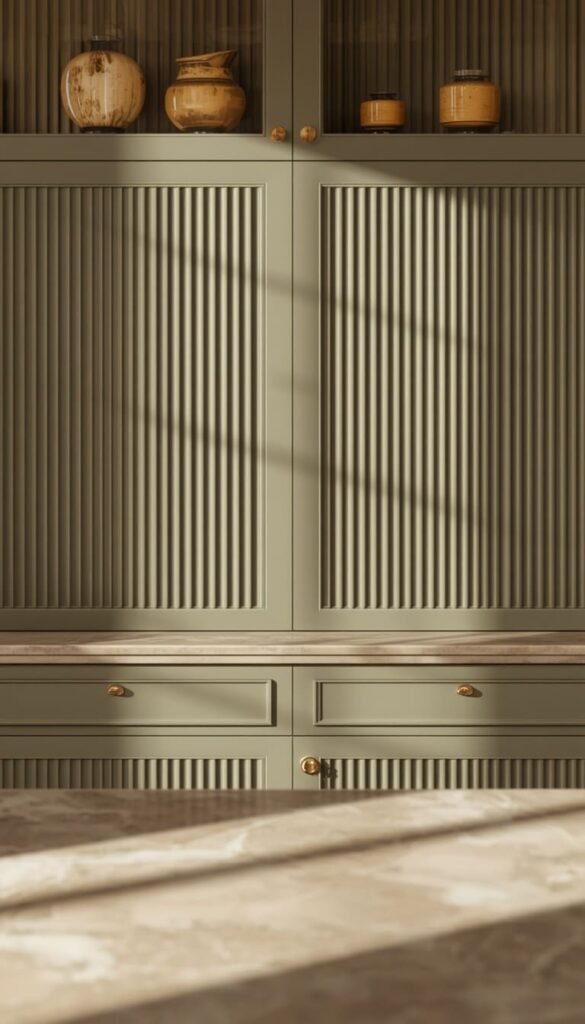
Fluted everything has been having a moment in interior design circles for a couple of years now, but in 2026 it’s finally hitting mainstream American kitchens in a real way. And honestly, it deserves the attention.
Fluted kitchen cabinets add something flat panel and Shaker doors simply can’t visual texture that catches light differently throughout the day. A bank of fluted lower cabinets next to a smooth quartzite countertop creates that layered, collected look that feels expensive without necessarily costing more.
I’ve been specifying fluted glass inserts on upper cabinets lately, and the response from clients has been consistently enthusiastic. It lets you display a few meaningful objects while keeping things feeling intentional rather than cluttered. The diffused view through the glass hides the inevitable imperfection of real daily life, which is something every practical homeowner appreciates.
Maintenance reality nobody mentions: fluted surfaces collect dust in those grooves. If you have a busy household, wipe-down frequency matters. A soft, slightly damp microfiber cloth handles it easily, but it does require more attention than a flat cabinet front. Worth knowing before you commit an entire kitchen wall to the look.
Which kitchen trend from this list feels most like you the warm wood cabinets or the bold two tone look?
6. Statement Backsplashes Bold or Seamless
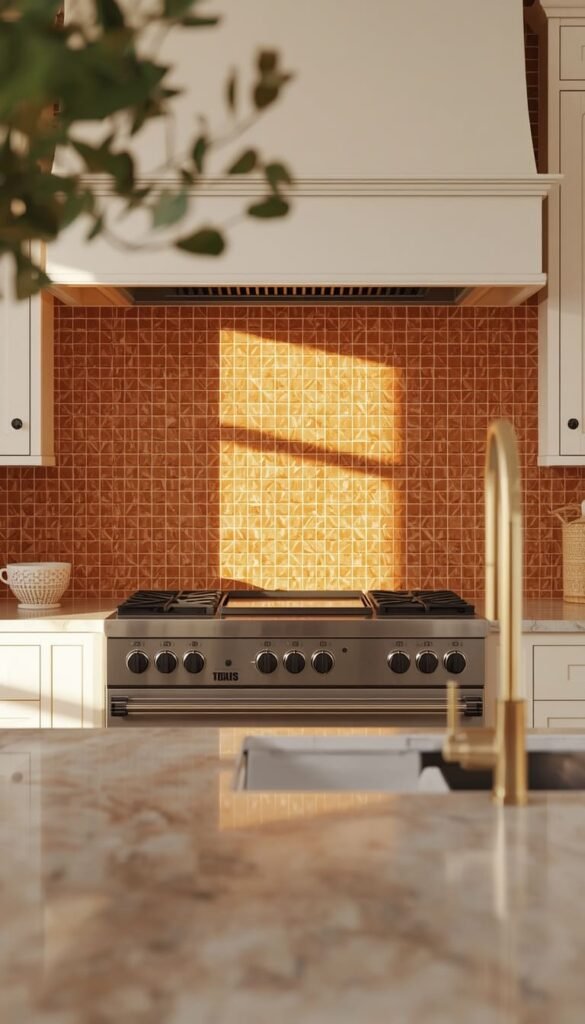
The backsplash has become one of the most expressive design decisions in a kitchen right now, and in 2026 the direction is splitting cleanly into two distinct camps.
The first camp is going bold zellige tile, handmade ceramic, dramatic slab stone running floor to ceiling behind the range. The second camp is going seamless continuous slab backsplashes in engineered quartz or porcelain that match or complement the countertop for a sleek, uninterrupted visual flow. Both approaches are stunning. The right choice depends entirely on how much other visual activity is already happening in the space.
My personal take: if your cabinets are already a statement color or you have a heavily veined countertop, the seamless slab backsplash is almost always the smarter move. Let the backsplash support the room rather than compete with it. Save the zellige and the handmade tile for kitchens with quieter, more neutral cabinetry where the backsplash becomes the jewelry.
Renter friendly option that actually works: peel and stick tile from brands like Aspect or Smart Tiles has improved dramatically. The stone and subway options in particular photograph beautifully and hold up to kitchen heat and moisture reasonably well. Not a forever solution, but a genuinely respectable one for renters who want this look without the landlord conversation.
Current kitchen backsplash trends worth knowing:
- Zellige tile in warm terracotta, sage, or off white behind the range only
- Full-height slab in matching quartz for a seamless, contemporary finish
- Rectangular subway tile in a vertical stack bond pattern rather than the traditional horizontal run
7. The Organic Modern Kitchen Aesthetic
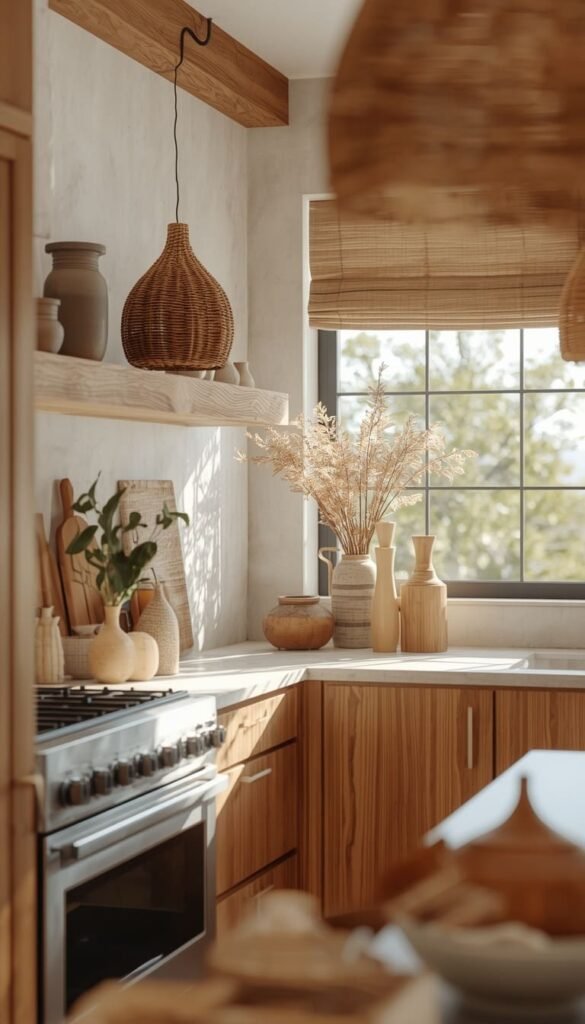
Organic modern is the design language I’m being asked about more than almost anything else right now. It sits in this beautifully balanced space between the warmth of natural materials and the clean restraint of contemporary design. No clutter, no fuss but also nothing cold or sterile about it.
The foundational idea is layering natural textures in a way that feels intentional. Raw linen window treatments. A live edge wood shelf above the range. A stone sink. Woven pendants over the island. None of these elements are loud individually, but together they create a kitchen that feels genuinely alive and deeply personal.
What separates a well executed organic modern kitchen from one that misses the mark is editing. I’ve walked into spaces where a client has tried to incorporate every natural material at once and it reads chaotic rather than curated. The discipline is in choosing two or three natural textures and letting them breathe.
Here’s how I typically layer this aesthetic without overdoing it:
- Start with one dominant natural material usually wood cabinetry or a stone countertop
- Add one organic texture accent a rattan pendant, a woven runner, a ceramic vessel
- Keep everything else quiet neutral walls, simple hardware, clean lines on the cabinetry
The organic modern kitchen aesthetic also photographs exceptionally well in natural light, which matters if resale value is anywhere on your radar. Buyers respond to it emotionally before they even consciously register what they’re looking at.
8. Smart Storage Solutions That Designers Actually Love
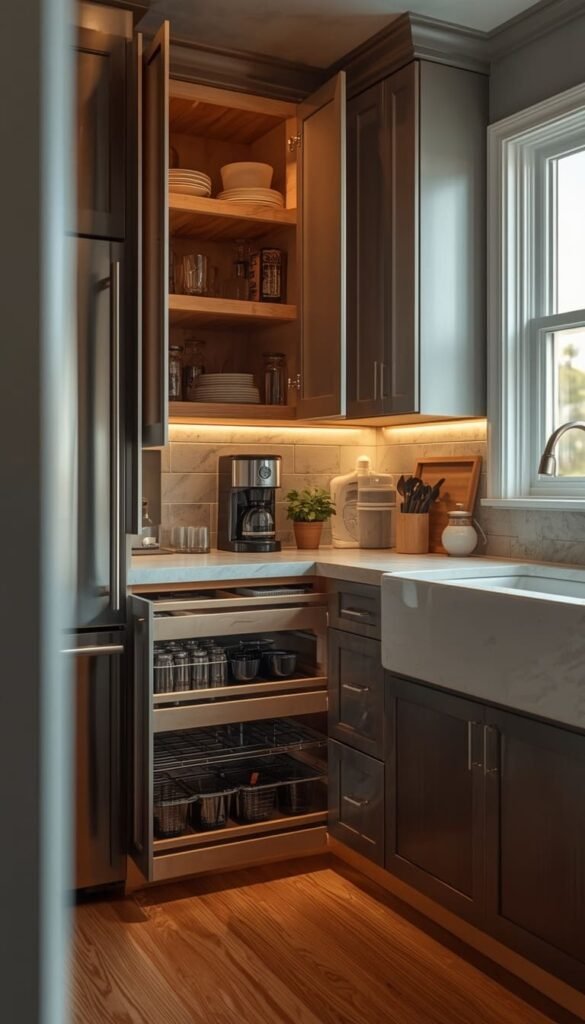
Storage has become the backbone of kitchen design in 2026, and the Houzz Kitchen Trends Study backs this up more than three quarters of renovating homeowners are adding specialty storage features. What’s changed is that smart storage is no longer an afterthought. It’s being designed in from the very beginning.
Pull out pantry cabinets, drawer within drawer configurations, appliance garages that hide the coffee maker and toaster, and built in spice drawers flanking the range these are the upgrades my clients consistently say they wish they’d done sooner. The transformation in daily kitchen function is immediate and genuinely significant.
One thing to watch out for is over organizing. I’ve seen clients invest in elaborate drawer insert systems for every single drawer, then find half of them don’t match how they actually cook. My recommendation is always to live in a space for a few months before committing to custom inserts. Understand your real habits first, then design the storage around them.
Worth the investment breakdown:
- Pull-out base cabinet shelves $150 to $400 per cabinet, immediately improves accessibility, absolutely worth it
- Custom drawer inserts for utensils and cutlery $80 to $250, worth it for frequently used drawers
- Walk-in or butler’s pantry addition $3,000 to $12,000 depending on size, adds measurable resale value in the US market
The beverage station and dedicated coffee bar trend fits naturally here too. Carving out a specific zone for morning routines keeps the main counter clear and makes the kitchen feel genuinely organized rather than just aesthetically tidy.
9. Smart Kitchen Ideas and Tech Integration
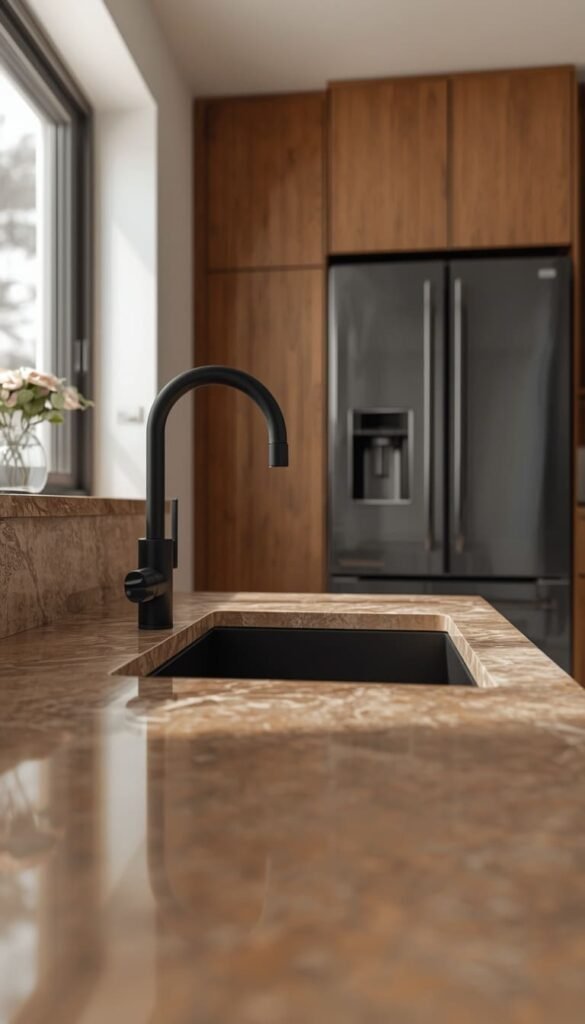
The smart kitchen conversation has shifted in 2026. We’re past the phase where tech integration meant a refrigerator with a tablet screen bolted to the door. What homeowners and designers are actually embracing now is quieter, more purposeful technology that genuinely simplifies daily life without screaming “gadget” from across the room.
The upgrades I’m recommending most consistently right now are practical and relatively invisible. Under cabinet LED lighting on a smart dimmer, touchless faucets, induction cooktops with precise temperature control, and refrigerators with adjustable humidity zones and remote monitoring. None of these feel like science fiction. They just feel like a kitchen that works better.
A few smart upgrades worth serious consideration:
- Induction cooktops faster than gas, safer with kids, and the flat surface is effortless to clean. Prices have come down significantly, with quality options starting around $800
- Smart range hoods that auto adjust fan speed based on what’s cooking brands like Broan and Zephyr have solid options in the $600 to $1,200 range
- Touchless or voice-activated faucets Delta and Moen both offer reliable options between $300 and $600 that hold up beautifully in daily use
Resale value is a real consideration here too. A 2025 NAR report noted that energy efficient and smart home features consistently rank among the upgrades buyers notice and respond to positively during home tours. Induction cooking in particular is becoming an expectation in higher end listings across major US metros. Installing it now means you’re ahead of that curve rather than catching up to it.
One thing I always tell clients about smart kitchen tech: buy for function, not novelty. If a feature requires a complicated app to use or needs constant firmware updates to stay operational, the novelty wears off within six months. The best smart kitchen upgrades are the ones that become so seamlessly useful you genuinely can’t imagine cooking without them.
And honestly, if you could change just one thing about your kitchen tomorrow, what would it be?
10. Timeless vs Trendy How to Future Proof Your Kitchen
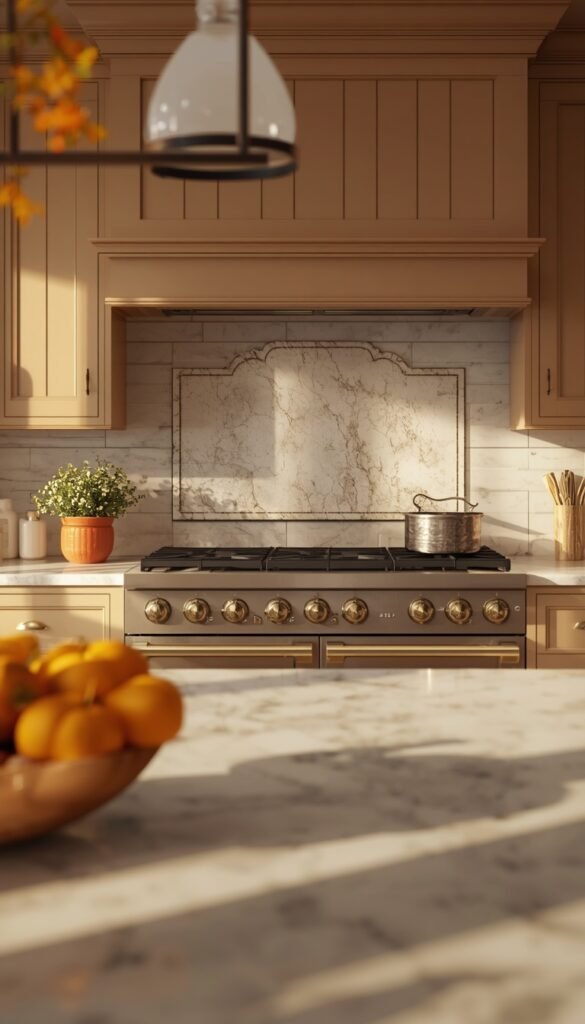
This is the conversation I have with nearly every client before a single cabinet is ordered or a single tile is selected. Because trends are genuinely useful as inspiration, but they make a terrible foundation for a $30,000 investment that you’ll live with for the next fifteen years.
The way I think about it and the framework I share with clients is the 80/20 rule of kitchen design. Eighty percent of your budget and your decisions should go toward timeless, durable choices. Twenty percent is where you can have fun with whatever feels current and exciting right now. That twenty percent is easy and relatively inexpensive to update in five years if your taste evolves. The eighty percent is what you really have to live with.
What belongs in the timeless eighty percent:
- Cabinet construction and layout quality box construction, functional layout designed around how you actually cook
- Countertop material natural stone, quartzite, and honed marble age beautifully and never really go out of style
- Lighting placement well planned task lighting, under cabinet lighting, and a statement pendant over the island
The trendy twenty percent is where 2026’s most exciting ideas live. A burgundy island. Fluted glass cabinet inserts. A zellige tile backsplash behind the range. Unlacquered brass hardware that will develop a gorgeous patina over time. These are the details that make a kitchen feel current and personal without putting your entire investment at risk.
I’ve seen homeowners go all in on a trend and genuinely love it for three years, then feel quietly trapped by it for the next decade. The clients I’m proudest of are the ones who made bold choices in the right places and restrained, classic choices everywhere else. Their kitchens look just as beautiful today as they did when we finished them sometimes more so, because quality materials only improve with age and use.
The timeless kitchen design conversation always comes back to one question I ask every client before we finalize anything: will this still make you happy on a Tuesday morning in ten years, when there’s no photoshoot happening and it’s just you making coffee before work? If the answer is yes, we’re building the right kitchen.
Your 2026 Kitchen Remodel Cheat Sheet
By Budget
Smart Refresher (Under $5,000)
- Repaint cabinets in earthy, warm tones
- Swap hardware to unlacquered brass or matte black
- Add a zellige tile backsplash behind the range only
- Install under cabinet LED smart lighting
- Introduce open shelving on one wall for personality
Full Investment Kitchen (Above $15,000)
- Replace cabinetry with warm wood or two tone custom builds
- Install leathered quartzite or Calacatta marble countertops
- Build out a fully integrated multifunctional island
- Add smart appliances with induction cooktop and panel ready refrigerator
- Design custom pull out pantry and specialty storage zones
By Lifestyle
Busy Families with Kids and Pets
- Choose wire brushed oak over dark stained wood hides scratches brilliantly
- Skip white rugs and light grout both are a daily battle you will lose
- Prioritize pull out storage and appliance garages to reduce counter clutter
- Matte surfaces over gloss fingerprints simply disappear
Minimalists and Empty Nesters
- Lean into the seamless slab backsplash for clean uninterrupted lines
- Choose flat panel or slim Shaker cabinetry in one quiet earthy tone
- One statement island, one bold material edit everything else ruthlessly
- Smart tech integration keeps surfaces clear and daily routines effortless
Frequently Asked Questions
What kitchen cabinet color is most popular in 2026?
Warm earthy tones are leading right now. Mushroom, warm taupe, and sage green have largely replaced the cool grays and stark whites that dominated the last decade.
Is it worth remodeling a kitchen before selling a house?
Yes, but keep it strategic. Minor refreshes like new hardware, updated lighting, and a fresh cabinet color typically return more value per dollar than a full gut renovation.
What is the most durable countertop material for a busy kitchen?
Leathered quartzite is my top recommendation. It handles heat, resists scratches, and the matte texture hides everyday wear far better than polished marble ever could.
Are two tone kitchen cabinets going out of style?
Not even close. The execution is just getting more refined in 2026, moving toward subtle tonal contrast rather than the bold navy and white combinations that felt overdone.
How much does an average kitchen remodel cost in the USA in 2026?
Minor refreshes run $5,000 to $15,000. A mid range remodel lands between $20,000 and $50,000, and full custom renovations in major US cities can easily reach $75,000 and above.
Conclusion
Pick one trend from this list that made you stop scrolling. Just one. Go order a paint sample, pull up a hardware listing, or clear that one cluttered shelf you’ve been ignoring for months. That single small move has a way of building real momentum, and before you know it you’re standing in a kitchen that genuinely makes you happy every single morning.
I’ve seen a fresh coat of paint and $200 in new hardware completely change how a family feels about their home. Your space deserves that kind of attention, and honestly, so do you.
So tell me which of these 2026 kitchen trends are you most excited to try first? Drop it in the comments below, I read every single one.
