
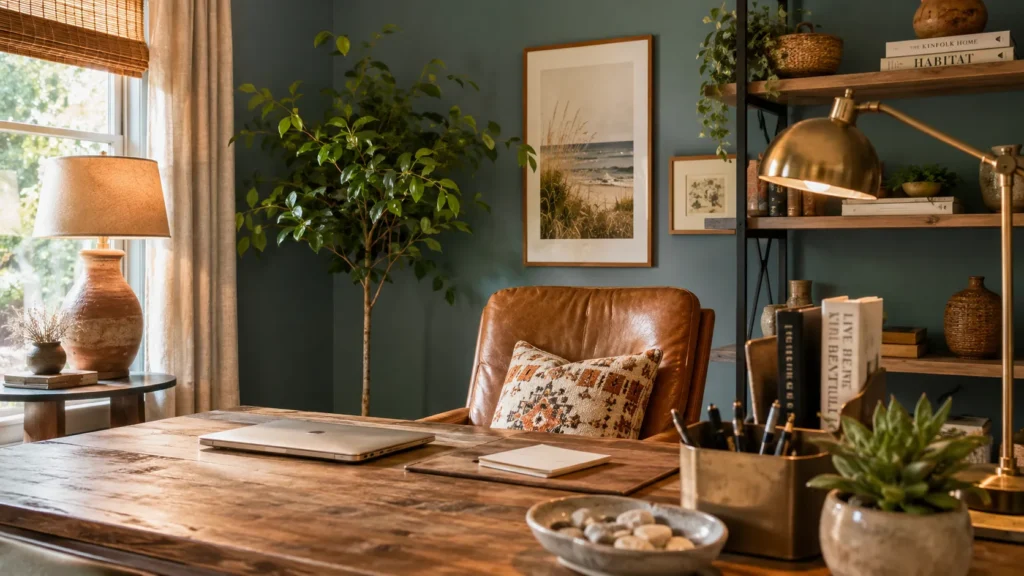
Your desk says more about you than your resume ever will. I’ve walked into offices where the chair still had the plastic wrap on it three years after move in day, and I’ve walked into cubicles that felt more put together than some living rooms I’ve designed. The difference isn’t budget. It’s intention. If you’re spending forty plus hours a week staring at the same four walls, decorating your office at work isn’t a vanity project, it’s a productivity strategy hiding in plain sight.
My Design Notes
I still think about a client of mine in Chicago, a marketing director who called me in a bit of a panic. Her firm had just moved offices, and her new spot was a gray, windowless cubicle with a strict no nail holes policy and zero tolerance for open flames. We had one lunch hour and a two hundred dollar budget to work with, which is tighter than most of my home projects, but I love a good constraint.
I brought in peel and stick wallpaper for the one visible partition wall, swapped her harsh overhead light for a small warm toned table lamp, and used a rollerball scent instead of a diffuser since she shared the space with three other people. We tucked her clutter into stacked storage boxes and called it done before her one o’clock meeting.Her manager asked who her interior designer was. Within a month, two coworkers had copied the setup almost exactly.
12 Proven Strategies for an Unforgettable Office Workspace That Fuels Productivity
1. Choose a Color Palette That Matches Your Energy
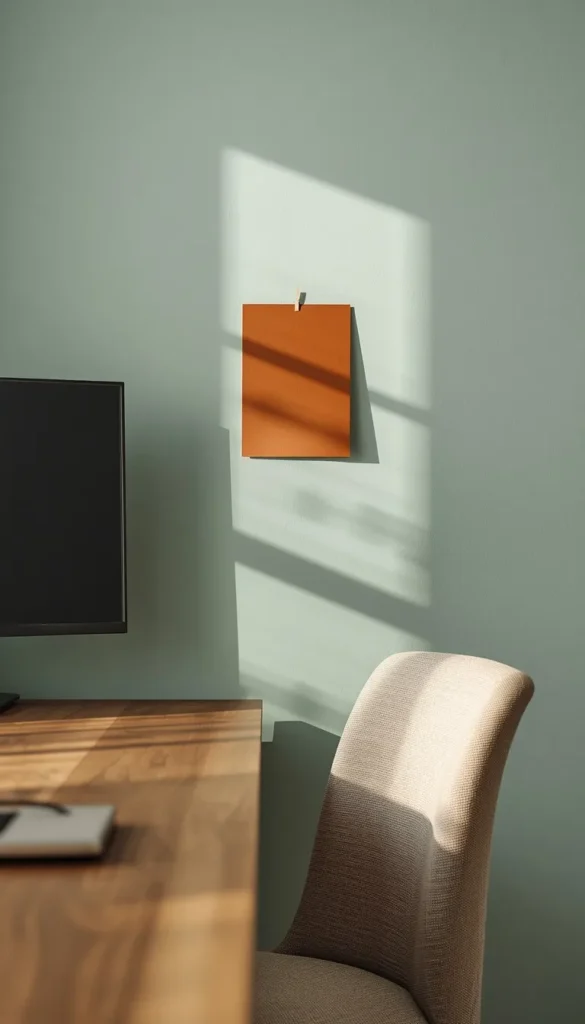
Color isn’t just decoration, it’s a mood setter, and most people pick their office palette based on what looked pretty on Pinterest rather than what actually helps them focus. Blues and greens tend to calm a busy mind, which is great if your job involves constant problem solving. Warmer tones like terracotta or soft gold bring energy into a space that might otherwise feel sterile, especially if you’re stuck under fluorescent lighting all day. A trick I’ve learned over the years is to test a color on a small swatch near your monitor for a full week before committing, since screen glare changes how a shade reads throughout the day.
2. Upgrade Your Everyday Supplies
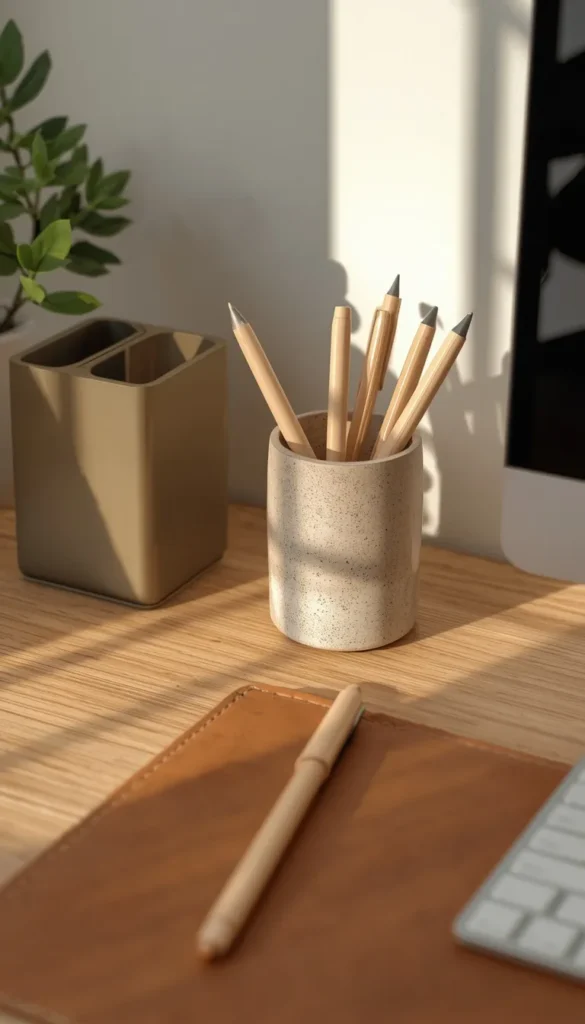
Your stapler doesn’t have to look like it came from a 1998 supply closet. Small upgrades here add up fast and they’re the easiest entry point if you’re just starting to decorate your office at work.
- Swap plastic organizers for a material that matches your desk finish, like wood or matte metal
- Choose a desk pad or planner in a color that ties the whole setup together
- Replace mismatched pens and holders with a single cohesive set
None of this needs to be expensive. I’ve seen a fifteen dollar tray from Target do more visual work than a designer piece three times the price, simply because it matched everything around it.
3. Tame Your Tech and Cords
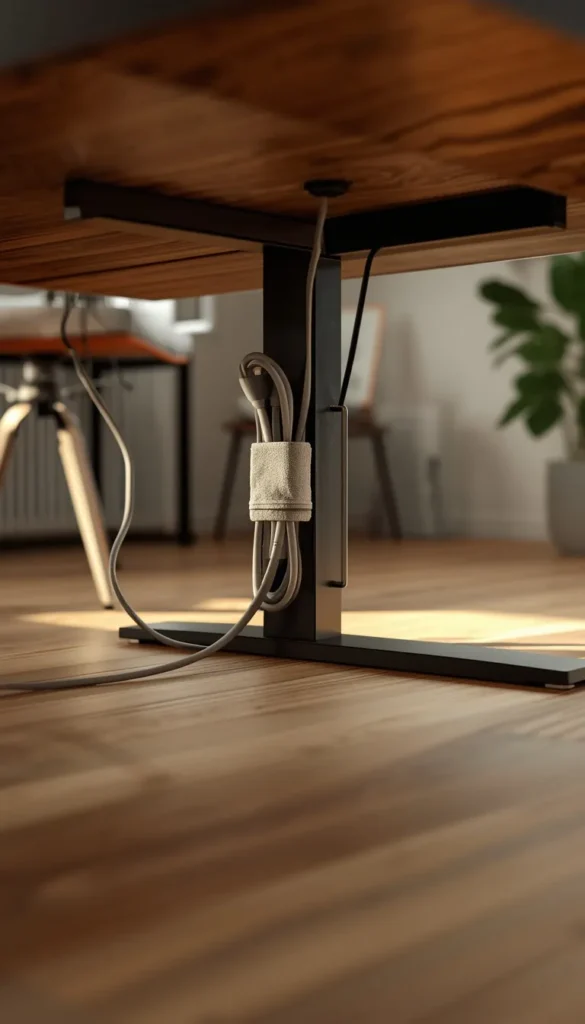
A tangle of cables under your desk undoes every other decorating choice you’ve made, and it’s one of the fastest things to fix. Cable clips, a slim power strip tucked behind your monitor stand, and a basic cord sleeve will get you most of the way there. One thing to watch out for is buying organizers before you actually map out where your outlets are, which usually means a second trip back to the store. I always tell clients to unplug everything first, lay it out, then buy exactly what the layout calls for.
4. Get Real About Ergonomics Before Style
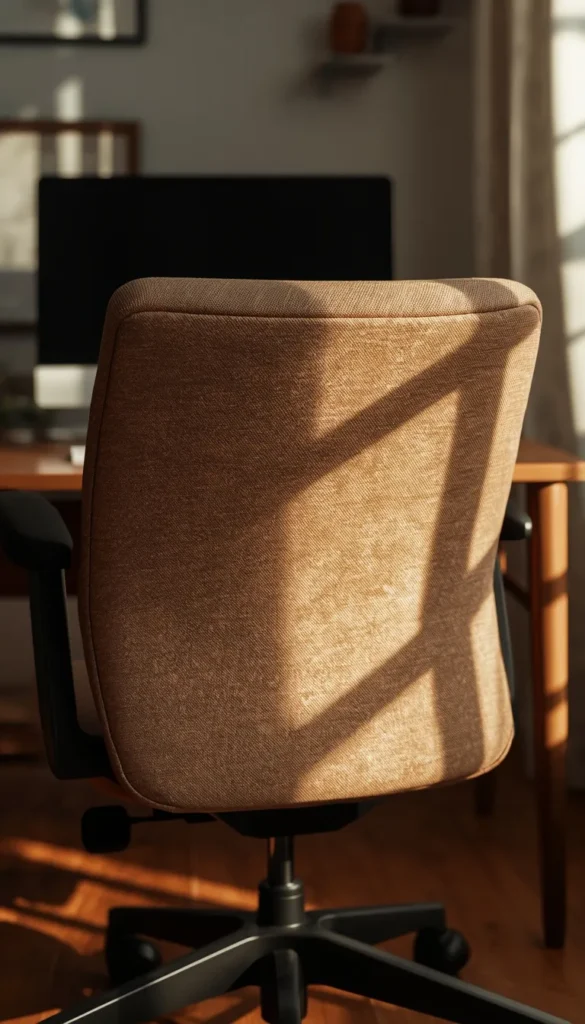
This is the one I feel strongly about, so let me be blunt. A gorgeous chair that wrecks your lower back by 3pm isn’t a win, no matter how well it photographs. Style and function aren’t opposites here, they just require a bit more research before you buy.
- Look for chairs with adjustable lumbar support, not just a pretty silhouette
- Check that your monitor sits at eye level before adding decorative risers or shelving around it
- Test drive anything you can before committing, even if that means visiting a showroom
I’ve redone entire office setups because a client fell in love with a chair online, and it turned out to be a nightmare after week two. Comfort has to come first. Everything else builds around it.
Which corner of your office is still waiting for its glow up?
5. Build a Personal Landing Zone on Your Desk
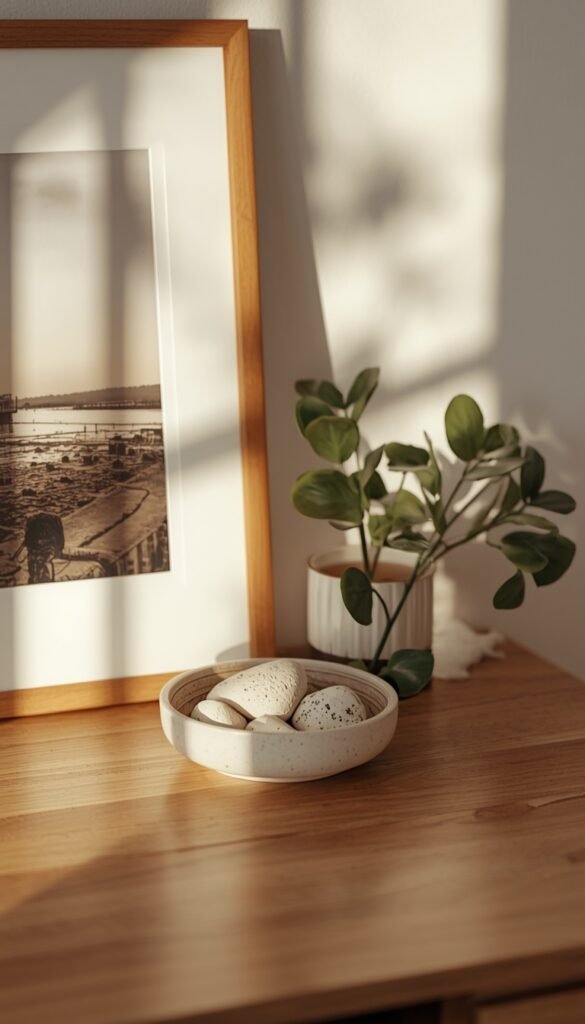
Every desk needs one small corner that has nothing to do with work. A framed photo, a small object from a trip, a plant that’s actually yours and not company issued. This is the spot your eyes land on during a stressful call, and it matters more than people think.I keep a small ceramic dish on my own desk that holds nothing useful at all, just a few stones from a beach trip. It sounds silly written out, but it does something for my mood every single time I glance at it.
6. Solve Small Spaces With Vertical Storage
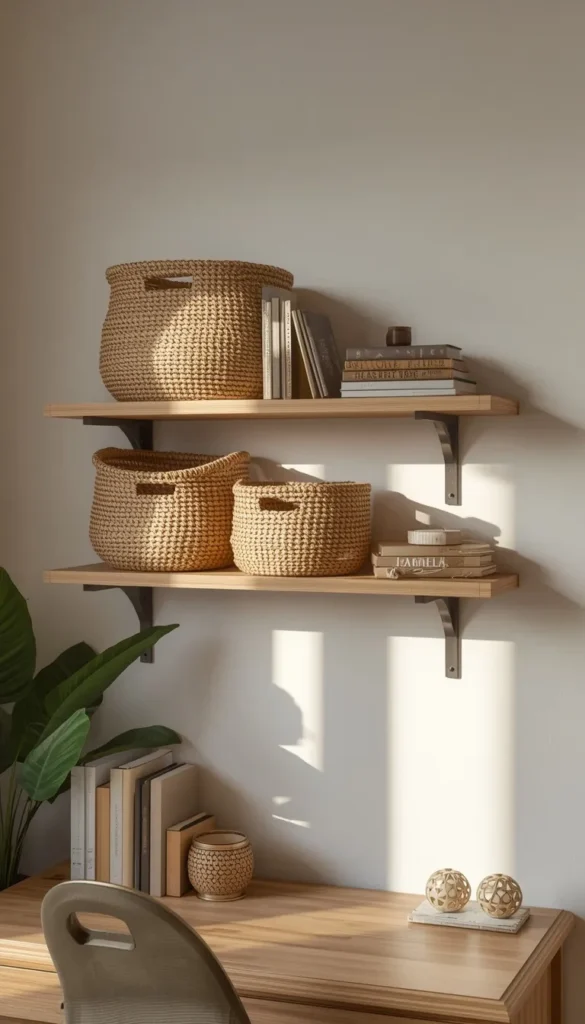
If your desk drawers are already full or you don’t have drawers at all, stop trying to fix clutter at eye level and start looking up. Wall mounted shelving, stacked bins, even a simple pegboard can hold everything your desk can’t.
- Use the wall above your monitor for lightweight, decorative storage only
- Keep heavier items lower and closer to the desk surface for safety
- Choose open bins for things you grab often and closed boxes for everything else
Vertical space is the most underused real estate in a small office, and it’s usually free to use since most offices already have the wall.
Top decorating your office at work 6 ideas
| Idea | Estimated Price | Maintenance |
|---|---|---|
| Color Palette Refresh | $30 – $80 | Low |
| Everyday Supply Upgrades | $40 – $120 | Low |
| Cord and Tech Organizers | $25 – $70 | Low |
| Ergonomic Chair Upgrade | $150 – $450 | Medium |
| Peel and Stick Wallpaper Accent | $40 – $100 | Medium |
| Table Lamp and Layered Lighting | $35 – $90 | Low |
7. Use Peel and Stick Wallpaper Where It Actually Works
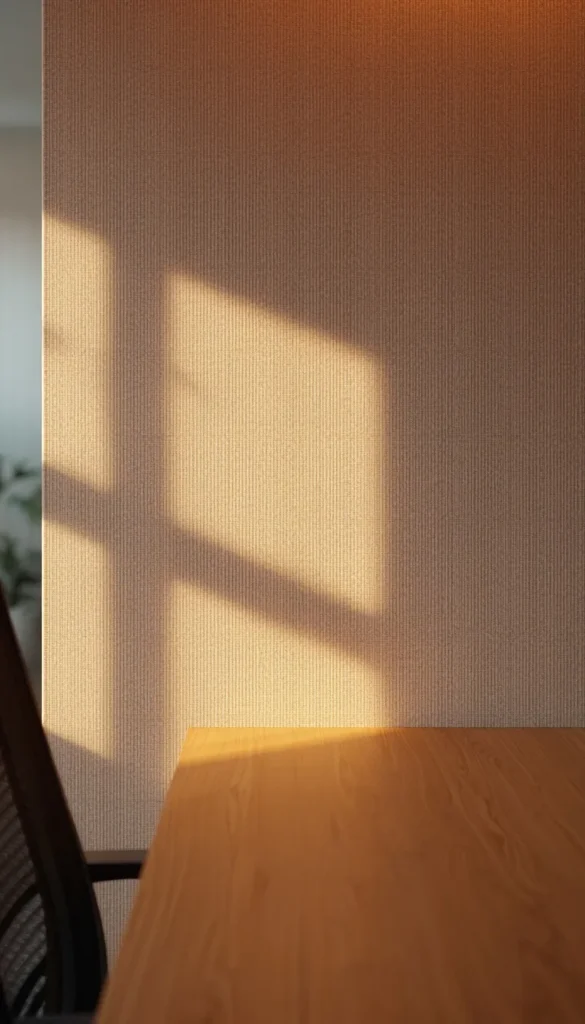
This one comes with a real caveat. Peel and stick wallpaper is fantastic for cubicle partitions, the inside of drawers, or a single accent panel, but it is not a miracle fix everywhere. Humidity, cheap adhesive, and rough drywall texture can all cause it to peel within months, so test a small piece in an inconspicuous spot before committing to a full wall.
When it works, it transforms a space almost instantly and costs a fraction of what a real renovation would. When it doesn’t, you’re left picking sticky residue off a partition wall during your lunch break, which nobody wants.
8. Choose Wall Art That Motivates You
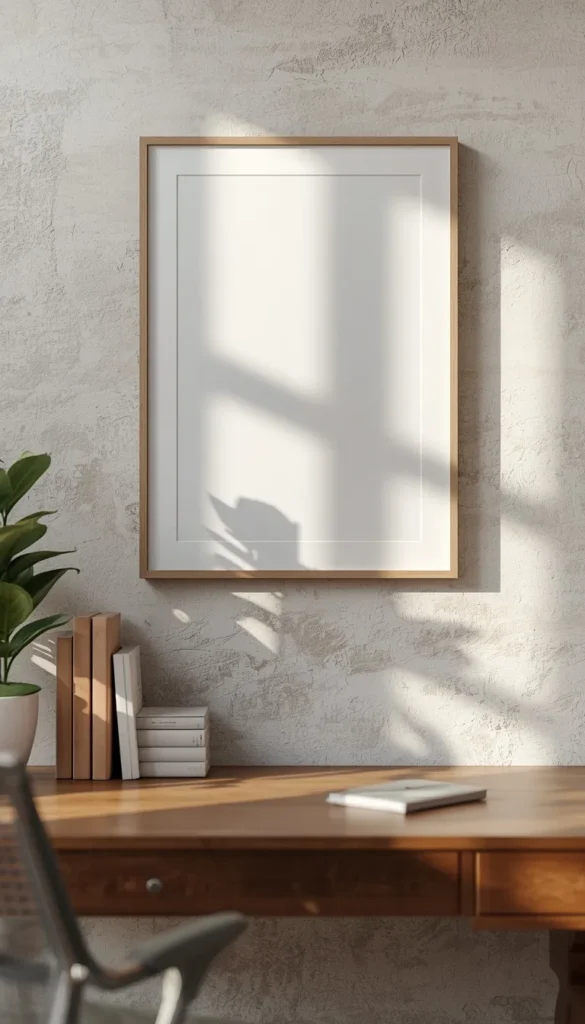
Skip the generic inspirational quote poster everyone has seen a hundred times. Pick something that actually means something to you, whether that’s a print from a place you love, a piece of your own artwork, or a simple vision board you update every few months.
A frame with a white mat from a local shop is an easy, affordable way to make even a printed piece feel intentional rather than thrown together.
Is your chair helping you or quietly working against you?
9. Layer Your Lighting Instead of Relying on Overheads
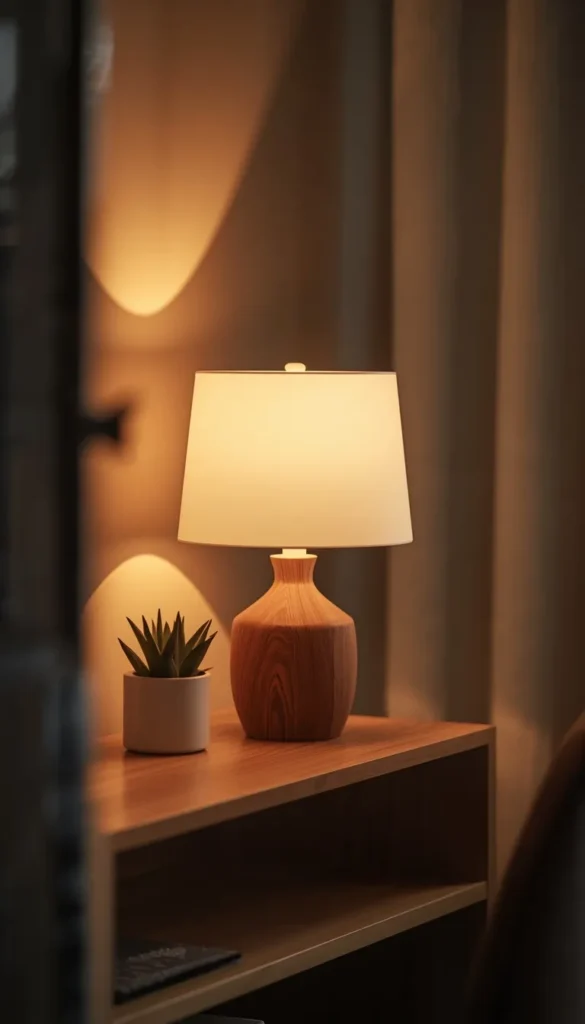
Overhead office lighting is almost never flattering and it’s rarely warm enough to feel comfortable by the afternoon. Adding a table lamp, even a small one, changes the entire feel of a desk.
- Pick warm white bulbs, not the cool blue toned ones most offices default to
- Go slightly bigger than you think you need, since a tiny lamp barely makes a dent
- Consider a second light source on a shelf or cabinet to avoid harsh shadows
I always tell people not to call this a desk lamp in their head, because that framing makes them buy something purely functional and forgettable. Think table lamp, think home.
10. Bring in Scent and Sound With Intention
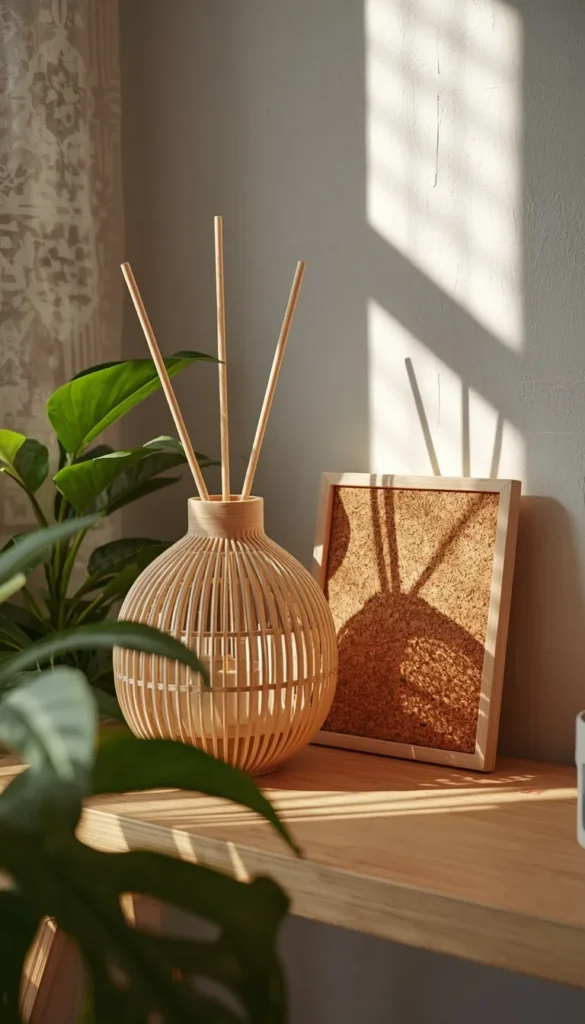
Most offices won’t allow open flames, so candles are off the table for a lot of readers, and that’s fine. A rollerball with a work specific scent, a small plug in diffuser, or even a reed diffuser tucked on a shelf can do the same job without the fire risk.
Sound matters just as much and gets ignored constantly. If you’re in an open plan office, a small fabric covered cork board or even a leafy plant near your desk can soften noise more than you’d expect, while also doing double duty as decor.
11. Refresh Seasonally Without Starting Over
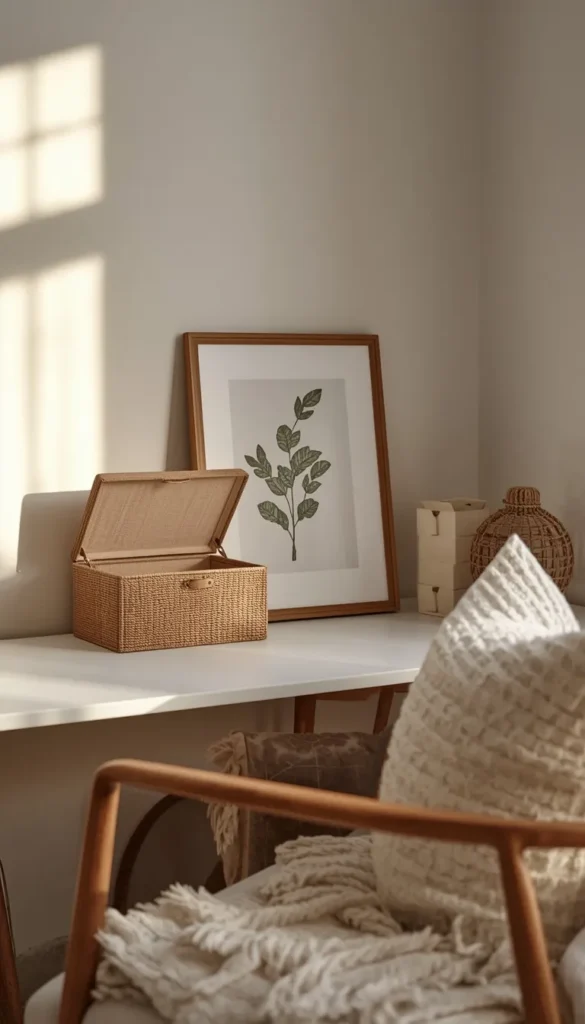
You don’t need to redecorate your entire office every few months to keep it feeling fresh. Swap one or two small things, a desk accessory, a framed print, a throw pillow if you have a chair that allows it, and the whole space feels renewed without any real cost.
I keep a small box in my closet at home labeled with the season, filled with things I rotate in and out of my own workspace. It takes ten minutes and makes a bigger difference than people expect.
12. Build a Sunday Reset Habit
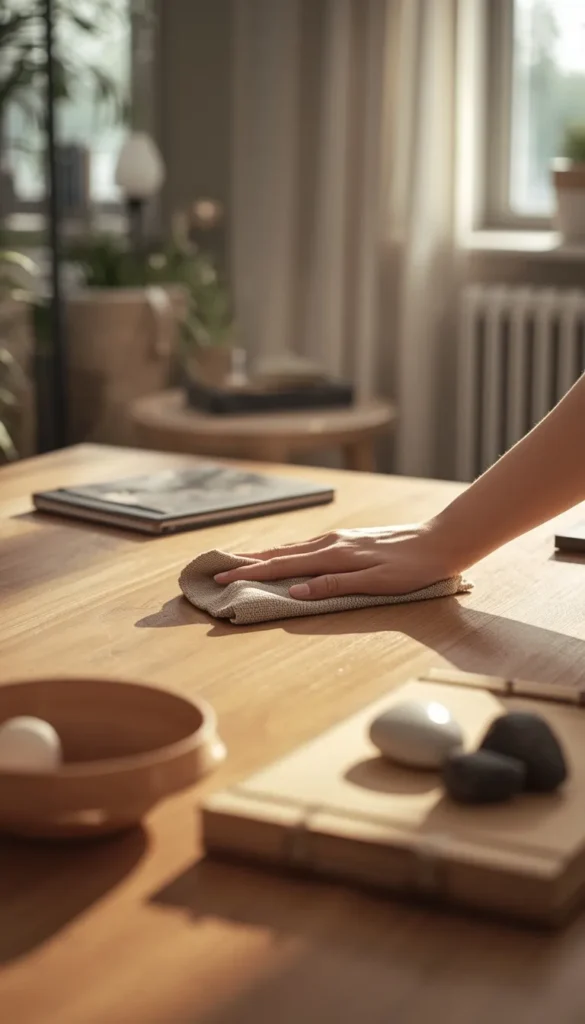
This last one isn’t a purchase, it’s a habit, and it’s honestly the one that makes everything else on this list actually stick. Spend ten minutes before your week starts putting things back where they belong, wiping down surfaces, and resetting your landing zone.
A beautifully decorated office falls apart fast without this step. I’ve seen gorgeous setups turn into chaos within two weeks simply because nobody built in time to reset it, and the decorating itself gets blamed when the real issue is upkeep.
Which Path Is Yours?
By Budget
- Starter Setup: Cord organizers, a warm bulb swap, a desk pad refresh. Under $100 total, done in a weekend.
- Mid Range Refresh: Add the table lamp, a peel and stick accent panel, new supply organizers. $150 to $300.
- Investment Office: Ergonomic chair upgrade, custom shelving, a full wallpaper wall. $400 and up, built to last years.
By Space Type
- Cubicle or Shared Desk: Stick to peel and stick accents, a landing zone object, and a rollerball scent. Nothing that needs nails or an outlet you don’t control.
- Private Office: Go bigger with lighting layers, a real rug, and wall art that needs actual frames.
- Home Office Hybrid: Prioritize the chair and lighting first, since you’re logging the most hours here of anywhere on this list.
By Personality
- Minimalist: One color palette, one landing zone object, done. Resist the urge to add more.
- Maximalist: Layer wallpaper, art, and a bold rug together, just keep the lighting neutral so the space doesn’t feel chaotic by 3pm.
- The Practical One: Skip decor entirely until the chair and lighting are sorted. Everything else is optional.
Conclusion
Your office doesn’t have to feel like a place you’re just passing through until five o’clock. It’s still a space you occupy for a huge chunk of your week, and it deserves the same care you’d give any room in your home. Pick one thing from this list, just one, and do it this week. Swap the bulb, clear the landing zone, order the lamp you keep putting off.
