
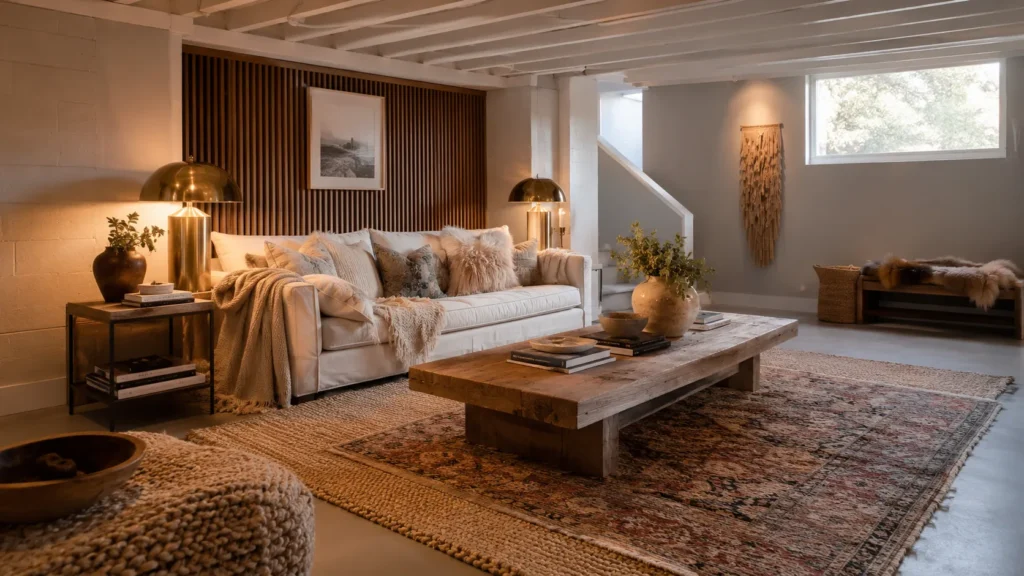
I used to avoid my own basement, and I’m a designer who is supposed to know better.
A client in Ohio changed that for me. Her home gym down there sat unused until we skipped the framing and simply layered rugs, swapped in warm lamps, and spent under $200.
Her family was watching Sunday football down there within a month.
That’s when I learned cozy and finished are not the same word, and cozy is the one that actually gets a basement used.
My Design Notes
When I was working on that project in Ohio, the client kept apologizing for her basement before I’d even seen it. She assumed I’d tell her to gut it and start over.
I didn’t. We spent one Saturday morning just moving her workout equipment away from the wall and laying a jute rug under it. That was it for step one.
By that afternoon, we’d added two lamps from her own upstairs closet and a throw blanket she already owned. Nothing we used that day was new.
I remember standing at the bottom of the stairs afterward and realizing the room felt calmer, not because it looked finished, but because it finally looked considered.
Her husband came down later that week to grab something from storage and ended up staying to watch a game. That’s usually how I know a basement project actually worked.
Mastering Stunning Basement Transformations for an Unforgettable Cozy Retreat
1. Start With A Dehumidifier Before You Decorate Anything
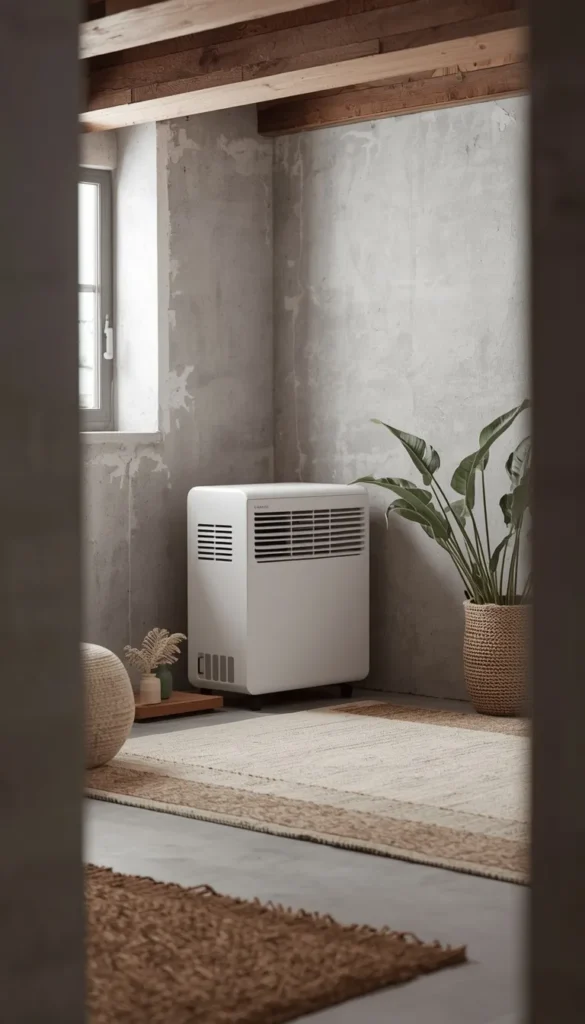
I know this isn’t the glamorous part, and I know you’d rather jump straight to rugs and lamps. Hold off. If your basement smells even a little musty, decorating on top of that just gives you a prettier version of the same problem, and it won’t take long for the new decor to smell like the old issue too.
A quick trick I’ve learned is to run a mid range dehumidifier, somewhere in the $150 to $250 range, for a full week before buying anything else. Watch how the room changes. Dry air reads as calm and settled no matter how bare the walls still are, and that’s the foundation everything else on this list gets built on.
2. Layer Rugs Instead Of Relying On One
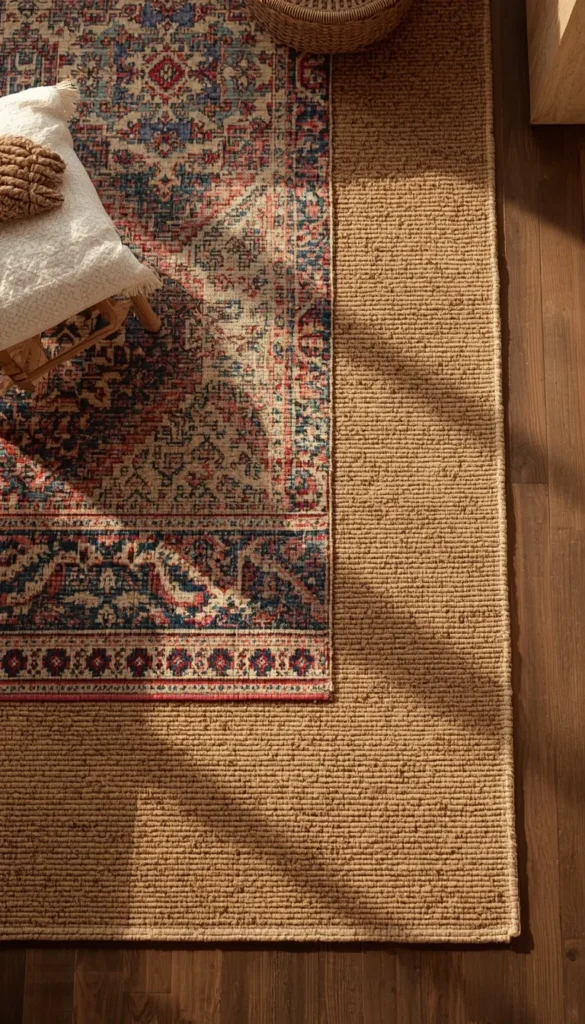
Most people buy a single rug for a basement and call it finished. I’ve started layering two, sometimes three, because concrete is unforgiving in a way that upstairs flooring never is.
Here’s how I usually build it:
- A durable flatweave jute rug on the bottom, around $60 to $100
- A smaller, softer rug layered on top wherever people actually sit
- A rug pad underneath both to cushion the concrete and stop slipping
One thing to watch out for is color. White or very pale rugs photograph beautifully, but basements are where muddy boots and curious pets tend to end up, and I’ve had more than one client regret that choice by the following winter. Go a shade or two darker than your instinct tells you to.
3. Choose Warm Light Bulbs Before Anything Else Electrical
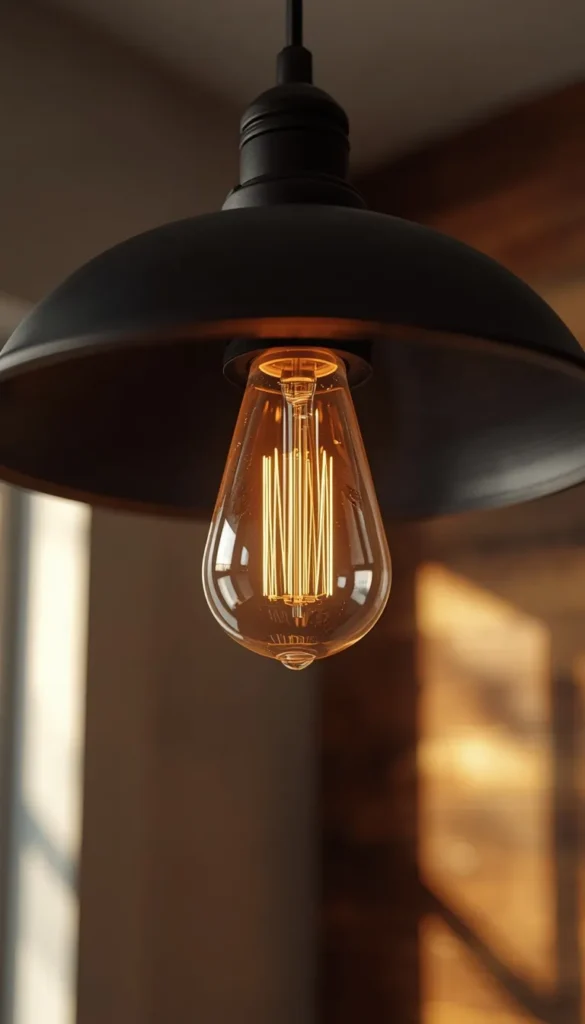
This fix costs almost nothing and gets overlooked constantly. Swap whatever bulb is currently in your basement fixture for a warm 2700K one, and the entire room shifts tone within seconds.
It sounds too simple to matter this much, but it’s the cheapest mood change available to you.
4. Layer Your Light Sources Instead Of Using One Overhead Fixture
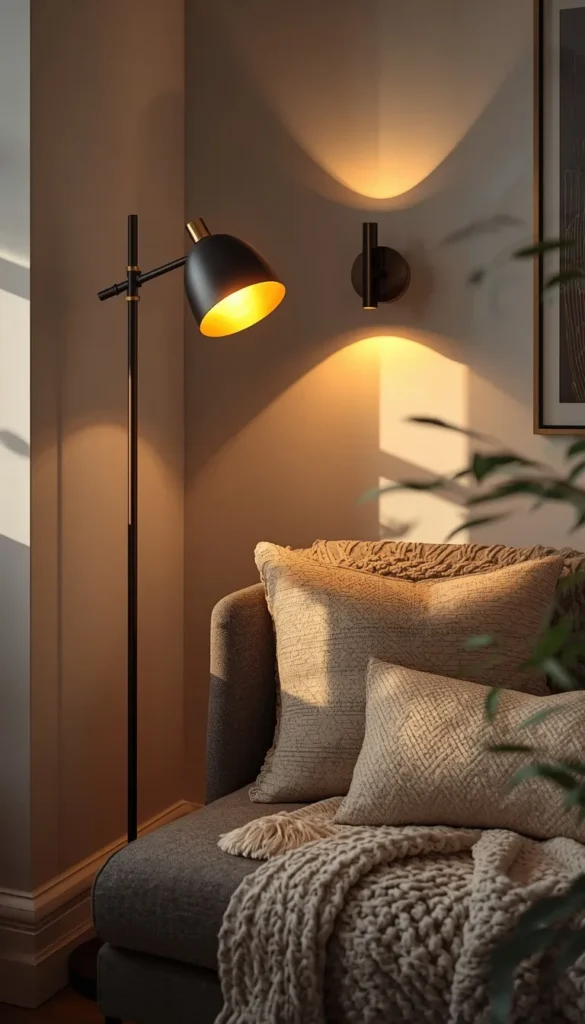
Once your bulbs run warm, think about where that light is actually coming from. A single ceiling fixture throws flat, even light across the room, which tends to feel more like an office than somewhere you’d want to relax.
Add a floor lamp in one corner and a table lamp near your seating area, and if there’s an outlet close by, tuck in a small plug in sconce too. None of this needs an electrician since you’re working off existing outlets. What you’re really building is pools of light instead of one flood of it, and that’s usually the difference between a basement people pass through and one they linger in.
Which one of these fifteen ideas feels like the easiest starting point for your basement this week? Is your basem
5. Add Stair Lighting For Safety And Ambiance
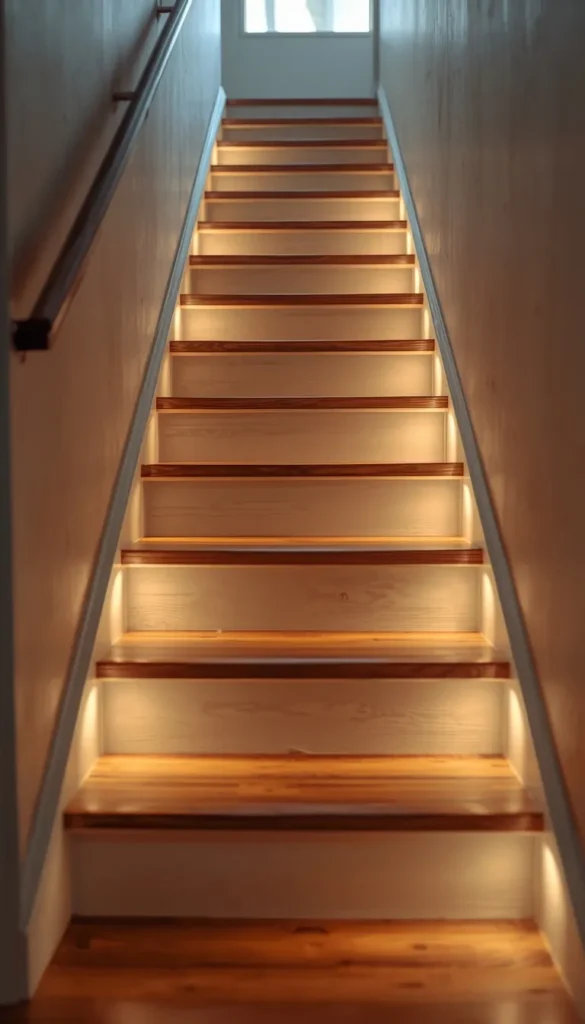
Basement stairs are genuinely risky when they’re poorly lit, and falls on stairs send far more people to the ER each year than most homeowners realize. Battery powered, motion sensor stair lights solve that safety problem on their own. As a bonus, they add a soft glow that makes walking down into the basement feel like an entrance rather than a descent.
I like the strip style lights that tuck under the stair nosing. A full staircase runs about $30 to $50, and there’s no wiring involved at all.
6. Warm Up Cinder Block Or Concrete Walls With Wood Accents
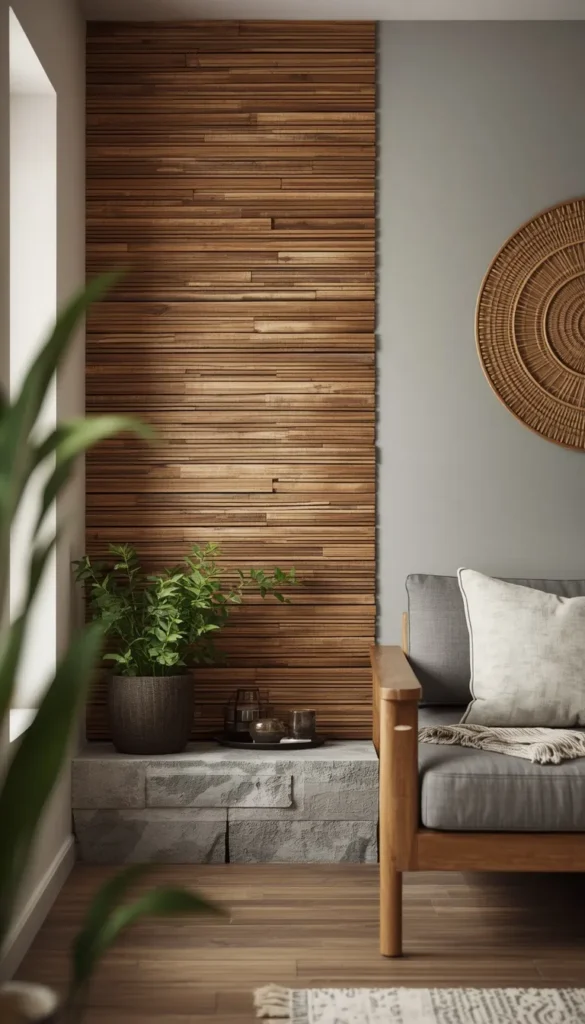
Bare concrete reads cold no matter what color you paint over it, and that’s something a lot of homeowners don’t discover until after they’ve already painted. One of my favorite low commitment fixes is adding thin wood slat panels or peel and stick shiplap to a single wall, not the whole room.
This gives you a textured, warm focal point without the cost or permanence of framing and drywalling the entire space. A few things worth knowing before you start:
- Real wood slat panels cost more but hold up better over time
- Composite peel and stick options are budget friendly, usually $150 to $250 for a wall
- One accent wall does more visual work than four painted ones
It’s on the pricier end of this list, landing anywhere from $150 to $400 depending on materials, but it’s also the change guests notice first when they walk in.
Top 6 cozy unfinished basement ideas
| Idea | Estimated Price | Maintenance |
|---|---|---|
| Dehumidifier | $150 to $250 | Low |
| Layered rugs | $60 to $160 | Medium |
| Warm light bulbs | $10 to $30 | Low |
| Wood accent wall | $150 to $400 | Low |
| Cozy corner styling | $80 to $150 | Medium |
| Painted joists | $50 to $100 | Low |
7. Hang Oversized Textiles To Soften Hard Surfaces
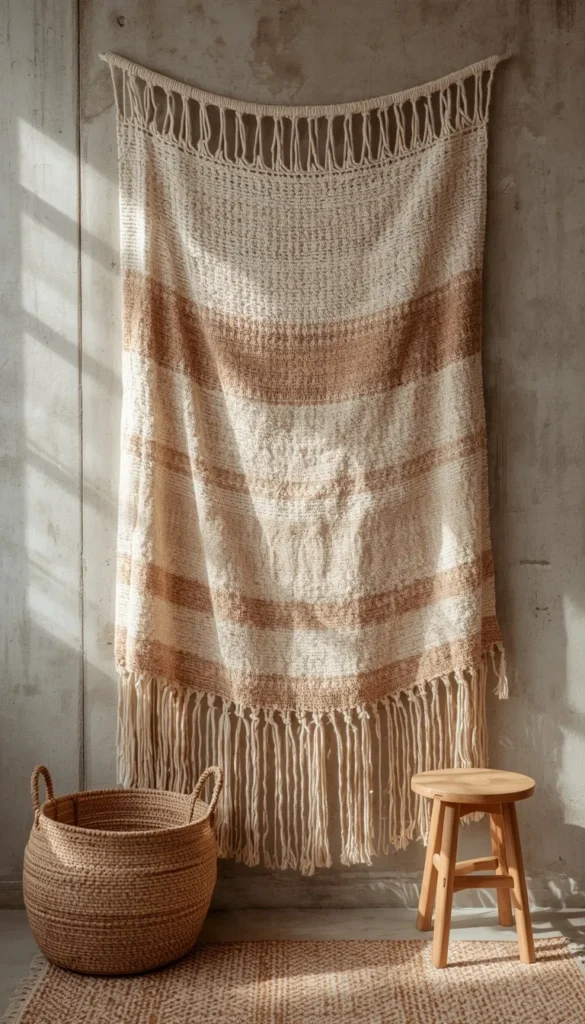
If wood paneling isn’t in the budget yet, fabric is the next best move. A large woven tapestry, a stretched canvas drop cloth, or even a vintage quilt hung on the wall softens concrete almost instantly, and command strips handle lightweight pieces just fine without any drilling into block.
One thing to watch out for is moisture. Fabric on basement walls can pick up that musty smell over time if the room runs damp, which is exactly why the dehumidifier step comes first on this list.
8. Create Soft Zones Instead Of Building Full Partitions
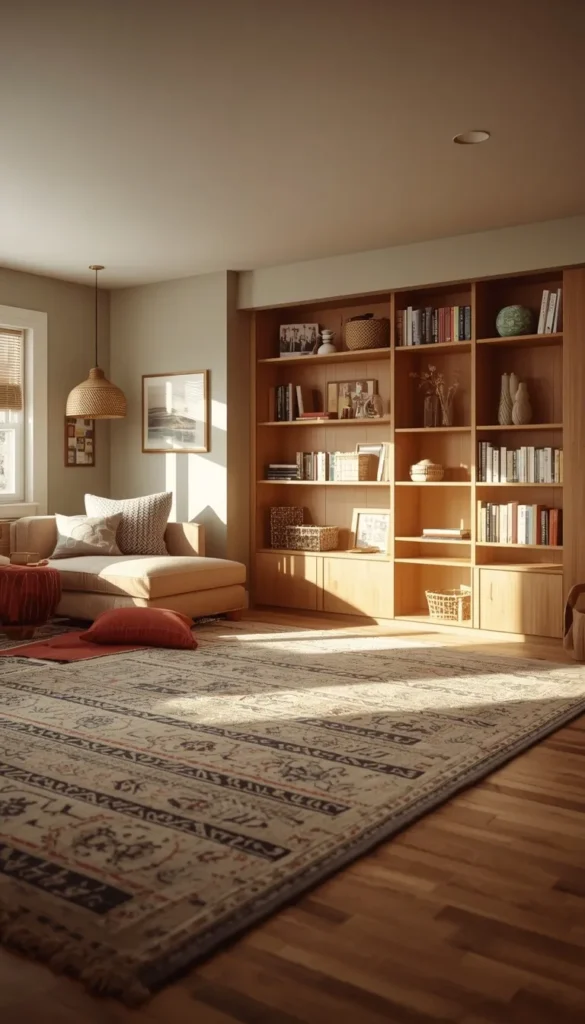
Unfinished basements are often one big open room, and that openness can start to feel directionless fast. You don’t need studs and drywall to fix it. Rugs, furniture placement, and lighting can define separate zones just as effectively, and honestly, they’re a lot more forgiving if you change your mind later.
Is your basement missing coziness because of the lighting, the floor, or just the empty walls
9. Build A Cozy Corner With Pillows And Throws
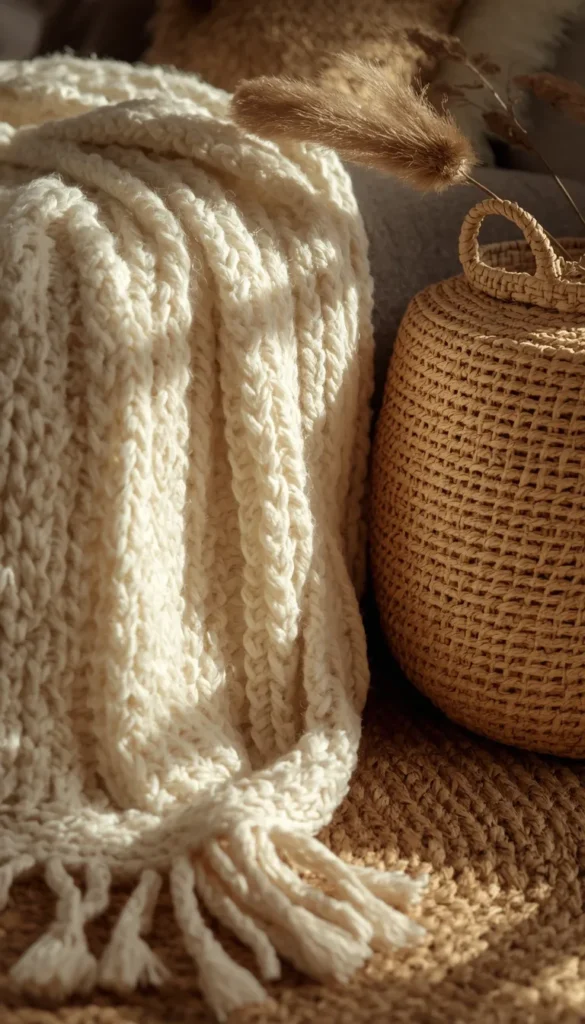
Every basement I’ve styled gets one non negotiable feature, and that’s a cozy corner. This is usually a couple of oversized floor pillows, a basket of throw blankets, and a lamp within reach. It’s the spot people gravitate toward without even thinking about it.
The cost here is flexible depending on what you already own. Build it for $80 with thrifted throws and a $20 basket, or spend more on higher end textiles if that fits your budget better. What actually matters is that it exists at all, because a basement without one soft, inviting seating spot rarely gets used, no matter how polished the rest of the room looks.
10. Choose Furniture Materials That Can Handle A Basement
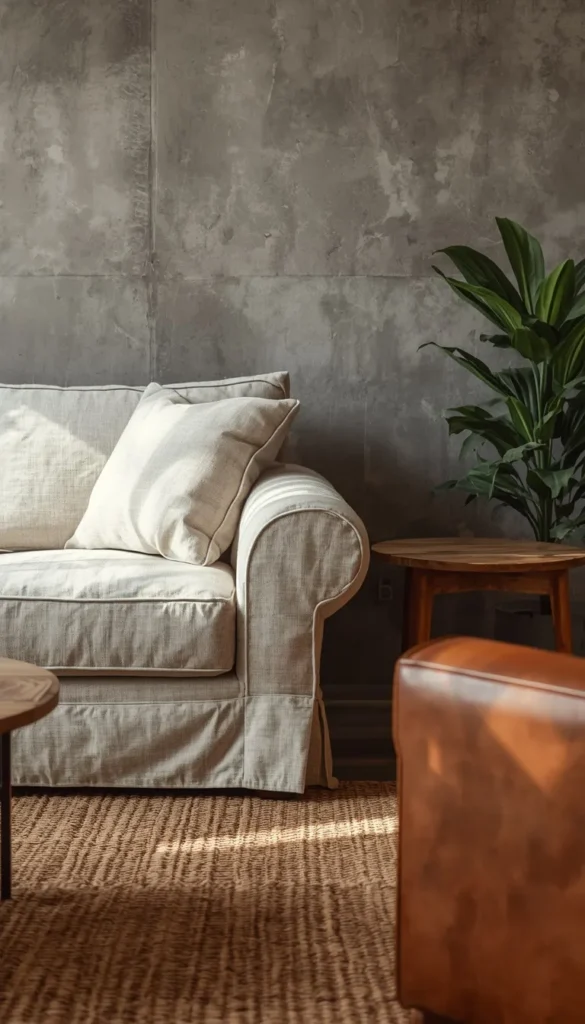
This is where I see the most expensive mistakes happen. Clients fall in love with a linen sofa or a light colored upholstered chair, and within a year it’s stained, faded, or carrying a faint basement smell that won’t go away. Basements run cooler and more humid than the rest of your house, even a well maintained one, and fabric choice matters more down here than it does upstairs.
A few materials that hold up well:
- Performance fabrics designed for high humidity and heavy use
- Leather or faux leather, which wipes clean easily
- Slipcovered pieces you can toss in the wash when needed
Avoid anything labeled delicate or dry clean only. It’s not the most exciting part of furniture shopping, but it saves you from replacing pieces twice as often as you should have to.
11. Layer Texture Through Knits, Baskets, And Faux Fur
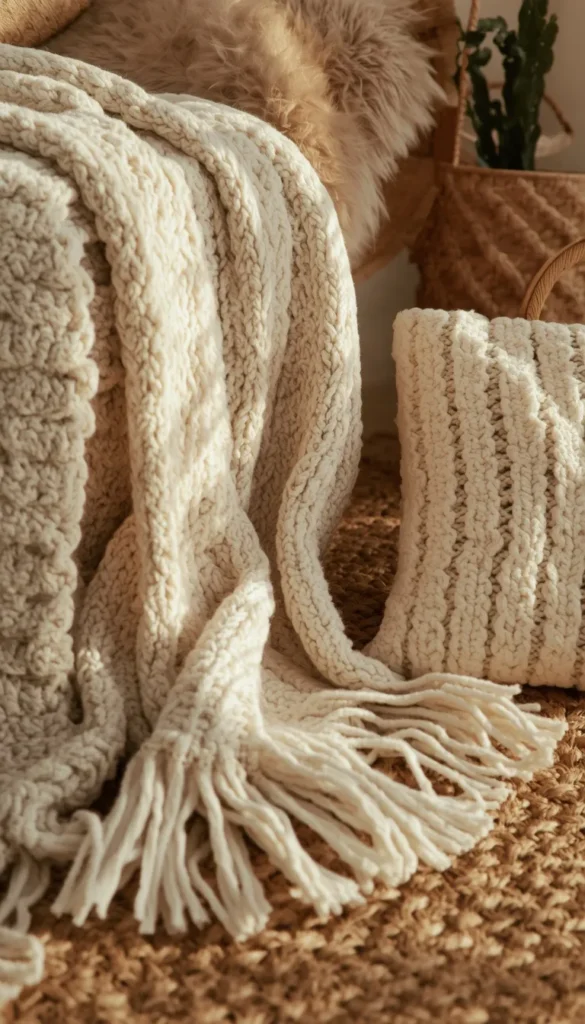
Coziness is mostly a texture problem, not a color problem. A room can be painted the warmest tone available and still feel sterile if everything in it is smooth and hard.
Add a chunky knit throw, a faux fur pillow, a couple of woven storage baskets, and you’ll notice the room settle in a way paint alone never quite manages.
12. Paint The Exposed Joists For An Intentional Industrial Look
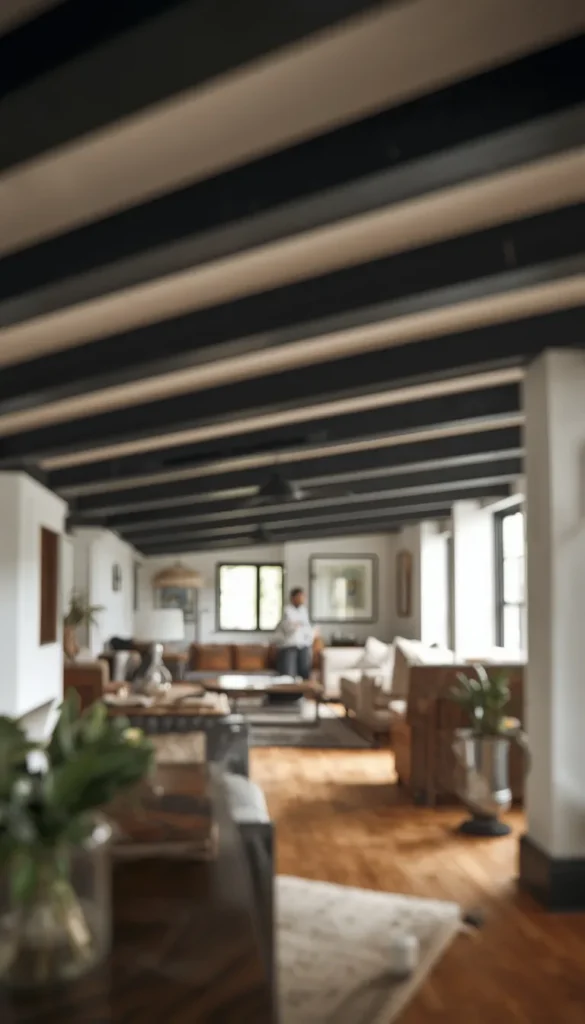
If your basement ceiling is just open joists and ductwork, painting them is one of the highest impact, lowest cost changes available to you. Matte black creates a moody, intentional industrial look that reads as a design choice rather than an unfinished ceiling, while warm white brightens the space and makes low ceilings feel a little taller.
Expect to spend $50 to $100 on paint and a solid weekend of work, depending on the size of the room. Renting a paint sprayer for this one genuinely saves hours compared to doing it by hand with a brush.
If you had a free Saturday and a $200 budget, which corner of your basement would you tackle first?
13. Add A Rug Or Acoustic Panels To Cut Down Echo
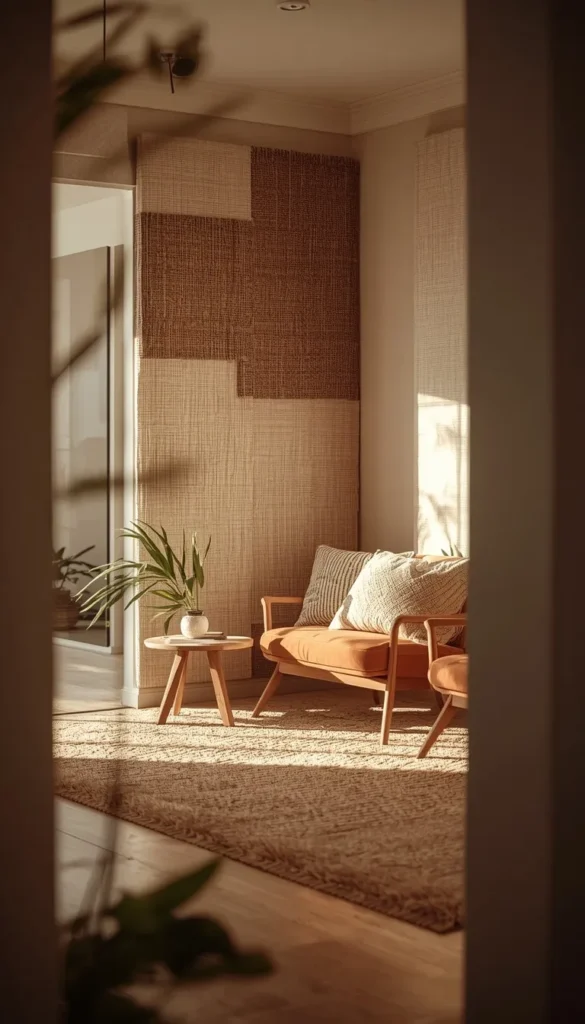
Nobody warns you about this one, but unfinished basements are loud. Concrete floors and open joists bounce sound around in a way that makes conversation and TV watching oddly tiring after a while. Rugs help with this more than people expect, and simple fabric wrapped acoustic panels, either bought or built yourself, run well under $100 for a small seating area.
This isn’t only a comfort issue either. A basement that echoes badly tends to get used less over time, even when it looks great, simply because it doesn’t feel pleasant to sit in.
14. Know Your Three Budget Tiers Before You Start
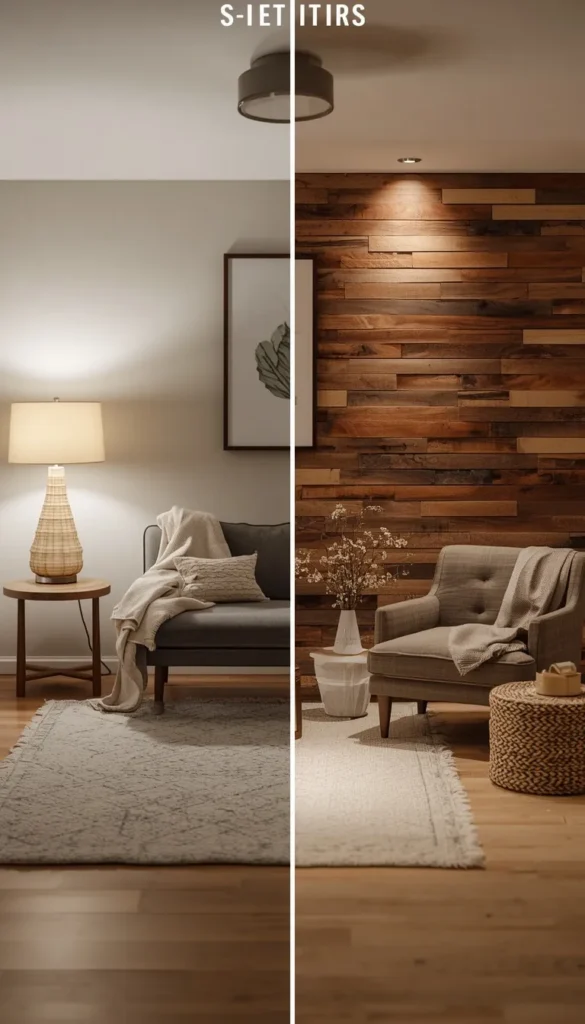
I always tell clients to pick a tier before they start buying things, because basement projects have a way of creeping upward without anyone noticing.
Here’s how I break it down:
- Under $200: warm bulbs, one good rug, a basket of throws, stair lighting
- Around $500: layered lighting with lamps and sconces, a second rug, a small accent wall using peel and stick paneling
- $1,000 or more: real wood slat walls, painted joists, performance fabric furniture, acoustic treatment
At that top tier, the basement genuinely starts to feel finished, even though technically it isn’t.
15. Understand The Real Maintenance Trade Offs
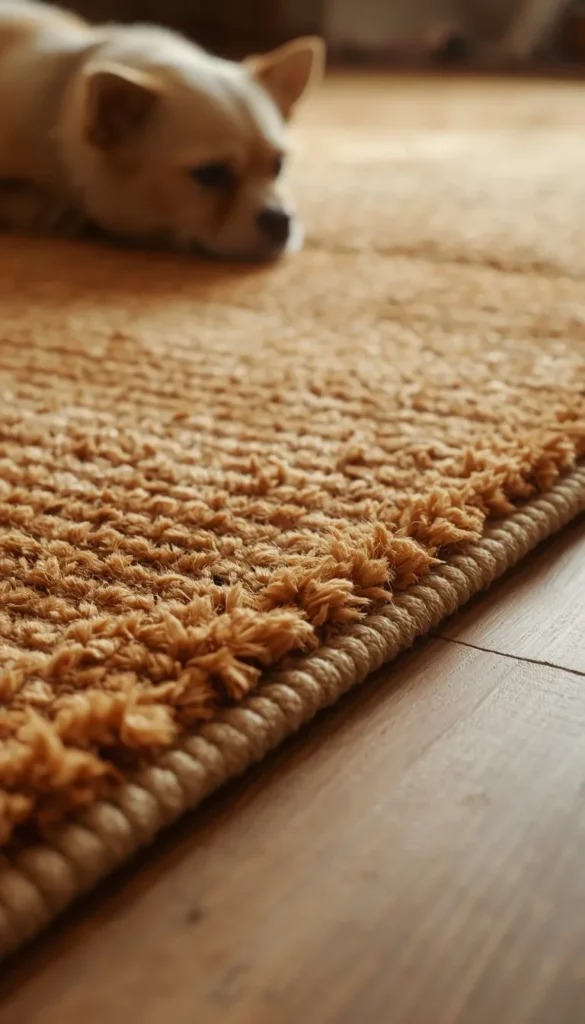
I want to end on this one because it’s the part most articles skip entirely. Cozy basement decor comes with upkeep, and it’s worth knowing that going in rather than discovering it later.
White or pale rugs and pets do not mix well down here, full stop. Fabric on walls needs occasional vacuuming and can hold onto humidity if your dehumidifier isn’t keeping up. Foam floor mats can yellow with sun exposure near basement windows within a year or two, and any wood accent wall needs to stay clear of moisture sources, so know where your sump pump and potential leak points sit before you commit to that project. None of this means skip the upgrades. It means budget a little time each season to reassess, the same way you would with any other room in the house.
Which Path Is Yours?
By Budget
- Quick Refresh: warm bulbs, one layered rug, a throw blanket basket, stair lighting
- Full Investment: layered lighting, a wood accent wall, performance fabric furniture, painted joists
By Lifestyle
- Busy Families: durable performance fabrics, layered rugs, soft zoning for play and workout corners
- Design Minimalists: warm bulbs, one wood accent wall, painted joists, minimal styling
Frequently Asked Questions
How much does it cost to make an unfinished basement cozy?
Most homeowners land somewhere between $200 and $1,000 depending on how far they take it. A rug, warm bulbs, and a few lamps alone can shift the whole feel for under $200.
Can you decorate an unfinished basement without finishing it?
Yes, and honestly it’s the smarter starting point for most budgets. Rugs, lighting, textiles, and furniture do the heavy lifting long before drywall ever gets involved.
What is the cheapest way to warm up a basement?
Swap your bulbs for warm 2700K ones. It costs under $30 and changes the mood of the entire room within minutes.
Do unfinished basements need a dehumidifier?
Ideally, yes, especially before you add rugs or fabric. Damp air undermines every other cozy upgrade you make, so this step comes first for a reason.
What flooring works best over an unfinished basement concrete floor?
Layered rugs over a rug pad are the easiest and most affordable option. Foam mats work well for play or workout zones, though they can yellow near sunny windows over time.
Conclusion
Your home is the one place that’s supposed to feel like yours, and that includes the parts still wearing bare concrete and exposed pipe. You don’t need a permit or a five figure budget to change how a room feels, just a lamp, a rug, and the willingness to actually go down there tonight. Clear one shelf. Grab one warm bulb. Start smaller than you think you need to
