
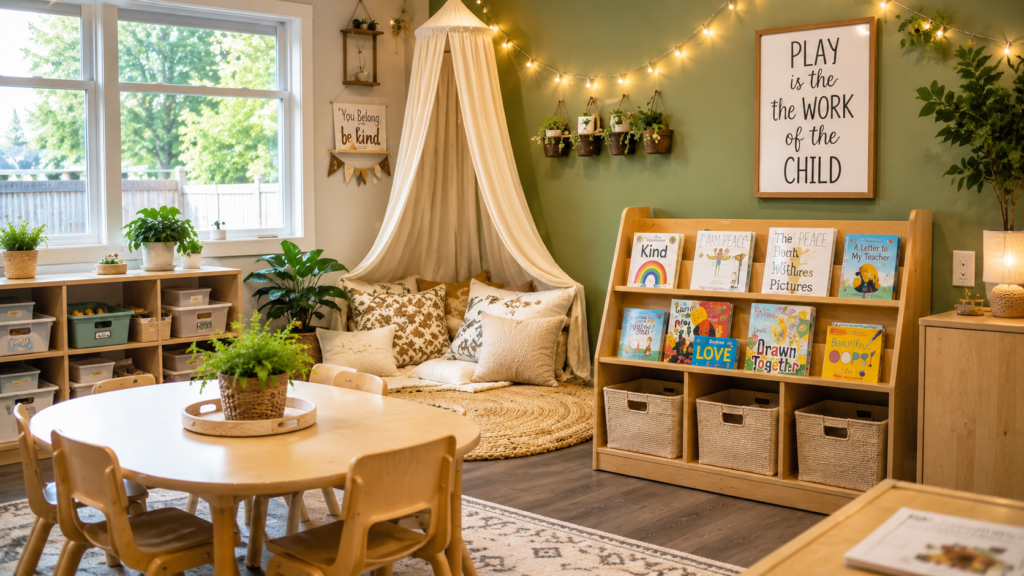
Walking into a preschool classroom that just feels right is one of the most powerful things I’ve ever experienced as a designer and trust me, it has nothing to do with having a big budget. The right preschool classroom decor ideas can turn a plain, forgettable room into a space where little minds actually want to show up, explore, and learn. I’ve seen a single reading nook and two well-placed bulletin boards completely change a child’s relationship with school. In this post, I’m sharing 12 of my favorite preschool classroom decor ideas that are practical, budget-friendly, and genuinely fun to pull off.
My Design Notes
A few years back, I was brought in to consult on a preschool classroom redesign at a small learning center just outside of Nashville, Tennessee. The lead teacher, Ms. Patricia, was one of the most dedicated educators I’d ever met but her classroom looked like a Pinterest board had fully exploded inside a 400 square foot box. Every wall was covered, every shelf was overflowing, and there were no fewer than six different “themes” competing for attention at once. The kids were distracted, transitions were chaotic, and she told me she was spending every Sunday afternoon adding more decor trying to fix what wasn’t working.
We took a completely different approach together. I asked her to pull everything off the walls first yes, everything and then we only put back what had a real purpose. We added two strong focal points, rebuilt her reading corner from scratch using a $40 IKEA shelf and some warm string lights, and created a simple rotating student work wall that the kids genuinely got excited about each week.
Within three weeks, Ms. Patricia messaged me saying circle time had gone from eight minutes of pure wrangling to a smooth, focused twenty minute session. That one project completely changed the way I think about preschool classroom decor ideas. Less is almost always more but the right pieces, placed with intention, make all the difference.
12 Stunning Preschool Classroom Decor Ideas That Create Unforgettable Learning Spaces
1. Set the Foundation First: Color Psychology for Preschool Spaces
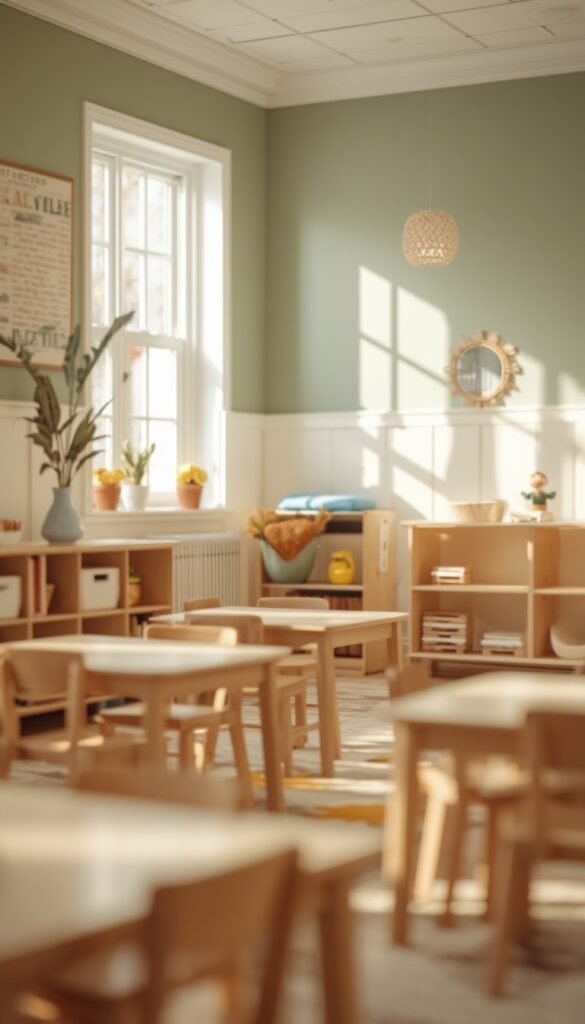
Color is the very first thing a child responds to when they walk into a room before the toys, before the teacher, before anything else. And I’ll be honest with you: most preschool classrooms get this completely wrong. Bright neon walls and clashing primaries everywhere might seem fun, but they actually overstimulate little brains and make it harder for kids to focus. What I’ve found works beautifully in real preschool settings are warm yellows, soft sage greens, and creamy whites as your base with pops of color saved for specific learning zones.
A quick trick I’ve learned over the years is to pick just two anchor colors for your walls and larger furniture pieces, then let your decor and supplies bring in the third accent. This keeps the room feeling cohesive without looking flat or boring. If you’re working with a tight budget, you don’t need to repaint. Removable peel-and-stick wallpaper from Amazon runs about $25 to $35 a roll and can completely shift the energy of one accent wall in an afternoon.
One thing to watch out for is going too neutral too fast. A completely beige classroom can feel cold and institutional, which is the opposite of what we want for three and four year olds. The goal is warm and inviting, not sterile.
2. Create a Reading Nook That Kids Actually Want to Sit In
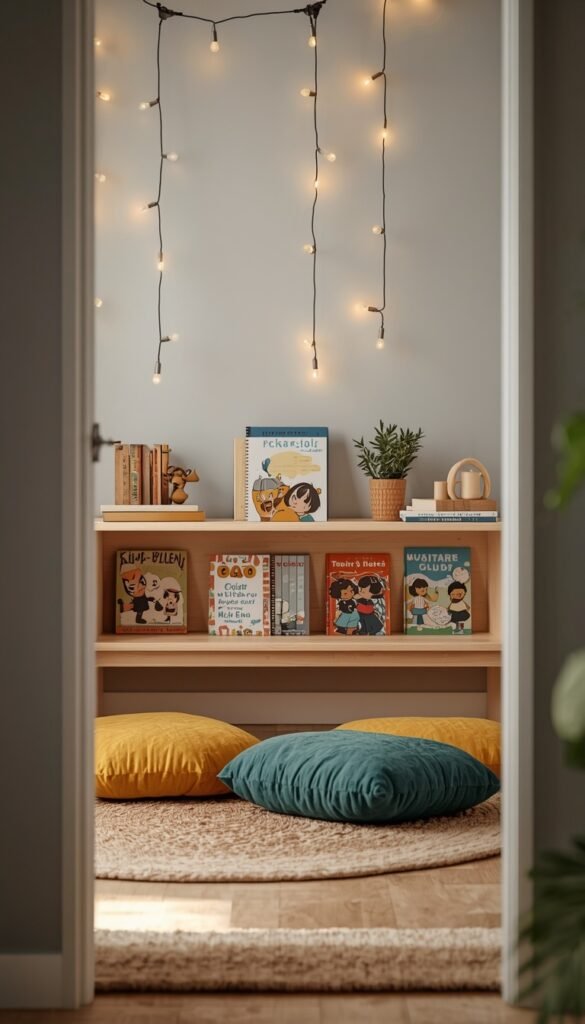
If there is one single investment I tell every preschool teacher to make first, it’s a proper reading nook. Not a corner with a bookshelf shoved against the wall I mean an actual cozy, intentional little world where a child feels like they’ve stepped somewhere special. When kids feel that way about a reading space, they choose to go there. And that changes everything about how they relate to books early on.
Here’s what actually works in a real classroom setting:
- A low IKEA KALLAX shelf turned on its side makes a perfect back wall for the nook and doubles as book storage with the spines facing out
- Layer a soft rug underneath washable is non-negotiable, trust me on this one
- Add two or three floor cushions instead of chairs so kids can naturally sprawl and get comfortable
String lights draped above the nook add that magical touch without costing more than $12 at Target. I’d skip the white or cream cushions though, no matter how gorgeous they look on Pinterest. With preschoolers, you will be washing them every single week. Go for a deep teal, mustard yellow, or a fun pattern that hides the inevitable juice box situation.
3. Bulletin Board Ideas That Teach Not Just Decorate
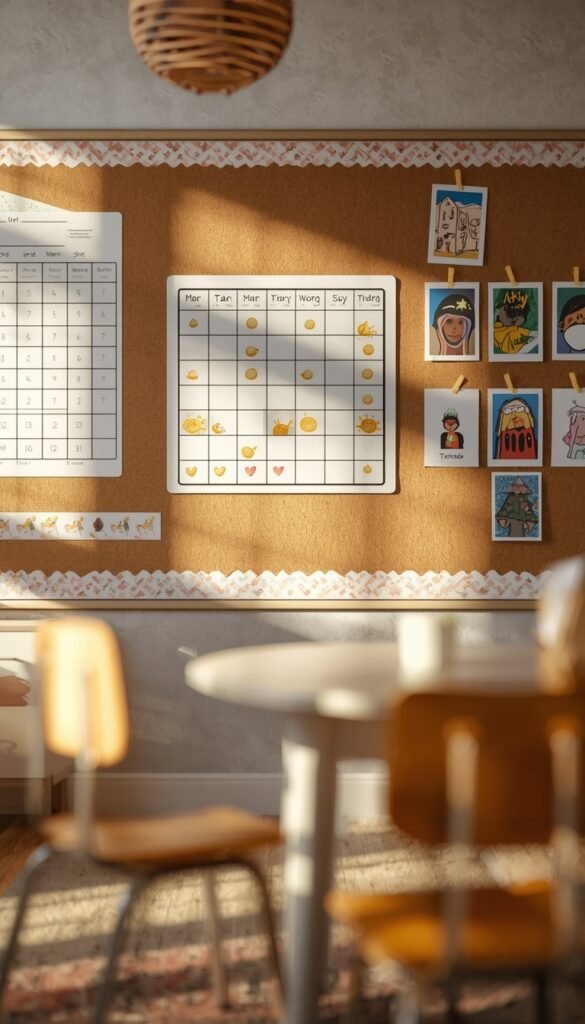
Here’s something I wish more teachers heard early in their careers: a bulletin board that only looks pretty is a missed opportunity. In a preschool classroom, every inch of wall space is prime real estate for learning. The bulletin boards that truly work are the ones kids can interact with, reference on their own, and feel proud to see their work displayed on.
My favorite approach is dividing bulletin board real estate into two categories one interactive board and one rotating student showcase. The interactive board might hold a weather chart, a days-of-the-week display, or a feelings check-in wall where kids move their photo each morning. The student showcase board is simply where their best work lives that week.
A simple DIY trick I love for borders: skip the store-bought scalloped paper borders entirely and use washi tape instead. It’s cleaner, costs about $3 a roll, comes in hundreds of patterns, and takes five minutes to apply. No staples, no wrinkles, no fuss.
4. Nature and Plants: The Underrated Preschool Decor Secret
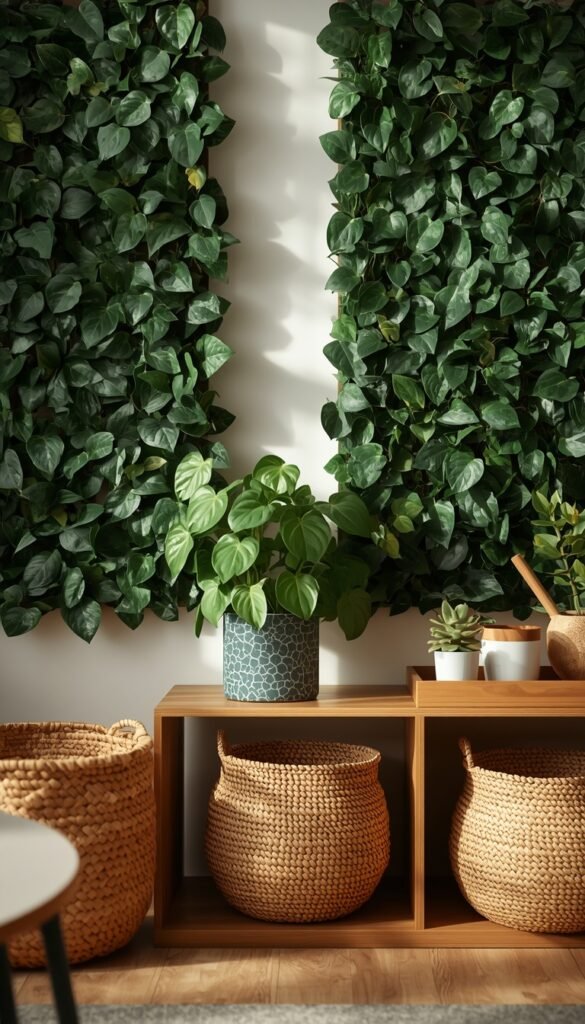
I don’t think plants get nearly enough credit in early childhood classroom design. There is actual research behind this exposure to greenery and natural elements in learning spaces reduces anxiety and improves attention spans in young children. But beyond the science, plants just make a classroom feel alive in a way that no poster or banner ever quite can.
Now, the reality of live plants in a preschool classroom is that most of them won’t survive the summer break or an enthusiastic four year old with a watering can. So here’s my honest recommendation: go faux for the larger statement pieces and keep just one or two real, low-maintenance plants for the genuine learning experience. Pothos and succulents are your best friends here nearly indestructible, safe for kids, and they look beautiful on a windowsill or low shelf.
Faux boxwood panels from Amazon (around $15 to $20 each) are one of my favorite classroom decor investments. Attach them to a bulletin board or an empty wall section and instantly create a lush, Instagramworthy backdrop for student work displays. They photograph beautifully for your classroom newsletter too, which parents always love.
Which of these decor ideas are you trying first?
5. Wall Decoration Ideas That Grow With Your Students
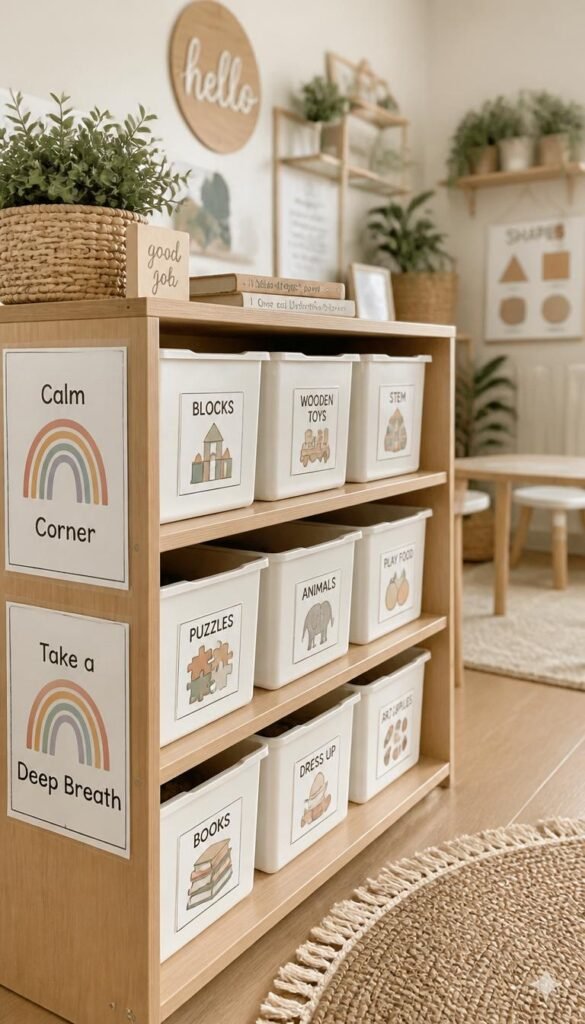
The biggest mistake I see in preschool classroom wall decor is setting everything up in August and leaving it completely untouched until June. Static walls stop being seen after about two weeks — kids’ brains literally tune them out. What you want instead are walls that shift, grow, and reflect what’s actually happening in your classroom right now.
A rotating student work display is the single most powerful wall feature you can have. When children see their own drawings, paintings, and writing up on the wall, they feel seen. That emotional connection to the classroom space is something no store-bought decoration can replicate. I always recommend using clothespins clipped to a simple twine line strung across one wall swapping work out takes literally two minutes and costs almost nothing.
For your permanent wall elements, keep it purposeful:
- An alphabet display at eye level for preschoolers, not hung at adult height where kids can’t actually reference it
- A number line that goes up as the year progresses, so kids watch it grow
- A classroom rules display with photos of your actual students demonstrating each rule
That last one is something most teachers don’t think of, and it is a game changer for both decor and classroom management.
6. The Classroom Library Corner Setup
A well-designed classroom library does something remarkable in a preschool setting it makes books feel like a destination rather than an assignment. And the physical setup matters far more than most people realize. I’ve walked into classrooms where hundreds of dollars worth of beautiful books were completely ignored simply because they were spine-out on a shelf, invisible to a three year old who can’t read titles yet.
The fix is simple and cheap. Face the books outward. A $25 forwardfacing book display from Amazon or a repurposed dish rack from the Dollar Tree both work perfectly. Group books by color or topic so the display looks intentional and visually appealing rather than chaotic.
For the furniture arrangement around your library corner, think low and accessible. Everything a child might want to reach should sit below their shoulder height. Add a small round rug to define the space and signal to kids that this is a calm, quiet zone. One thing to watch out for is placing your library corner near a high-traffic area like the door or the art station the noise and movement will compete with the cozy atmosphere you’re trying to create.
Top 6 Preschool Classroom Decor Ideas
| Idea | Estimated Price | Maintenance |
|---|---|---|
| Reading Nook Setup | $40 to $80 | Medium |
| Bulletin Board Refresh | $5 to $20 | Low |
| Faux Boxwood Display Wall | $60 to $100 | Low |
| Classroom Library Corner | $25 to $50 | Low |
| Learning Centers with Cohesive Bins | $30 to $70 | Medium |
| DIY Ombre Bookshelf | $15 to $25 | Low |
7. Learning Centers That Double as Decor
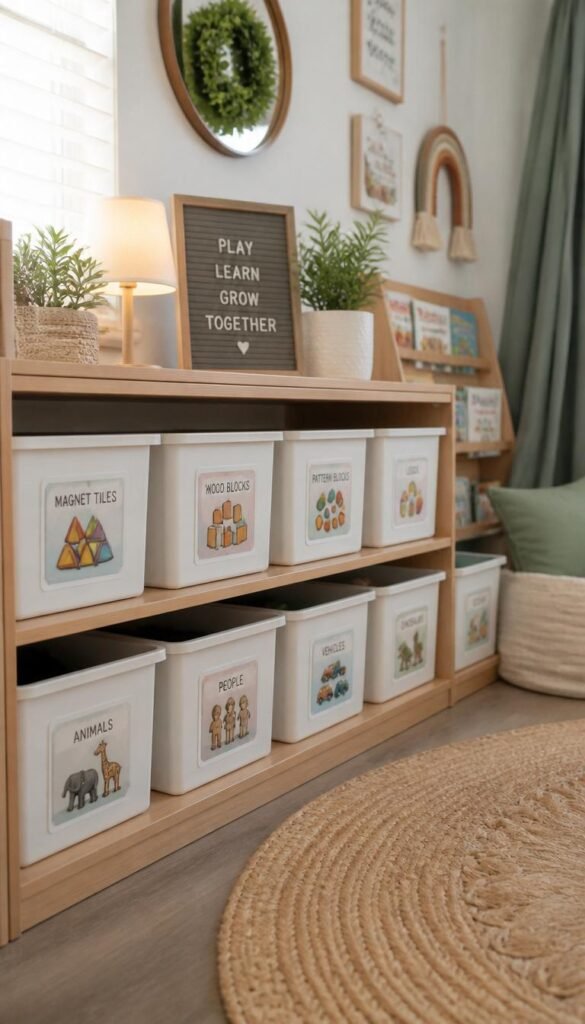
This is where thoughtful preschool classroom design gets really exciting to me. Your learning centers don’t have to look like organized chaos stuffed into plastic bins. With just a little intentionality, your centers can be some of the most visually beautiful parts of your classroom while remaining completely functional for daily use.
The secret is cohesion. Pick one color family for all your storage bins and labels and stick to it across every center in the room. White bins with simple printed labels feel clean and modern. Pastel bins with hand-lettered tags feel warm and playful. Either works beautifully the key is consistency so the eye flows around the room without visual clutter competing for attention.
A few things that make a real difference:
- Use picture labels alongside word labels so preschoolers can independently find and return materials
- Store like items together and resist the urge to over-stuff bins a half-full bin is actually more inviting to a child than one packed to the brim
- Place your most-used centers at child height and reserve higher shelves for teacher supplies only
When your centers look organized and intentional, the whole classroom feels calmer. And a calmer classroom, in my experience, means fewer behavioral interruptions throughout the day.
8. A Seasonal Decor Strategy That Won’t Burn You Out
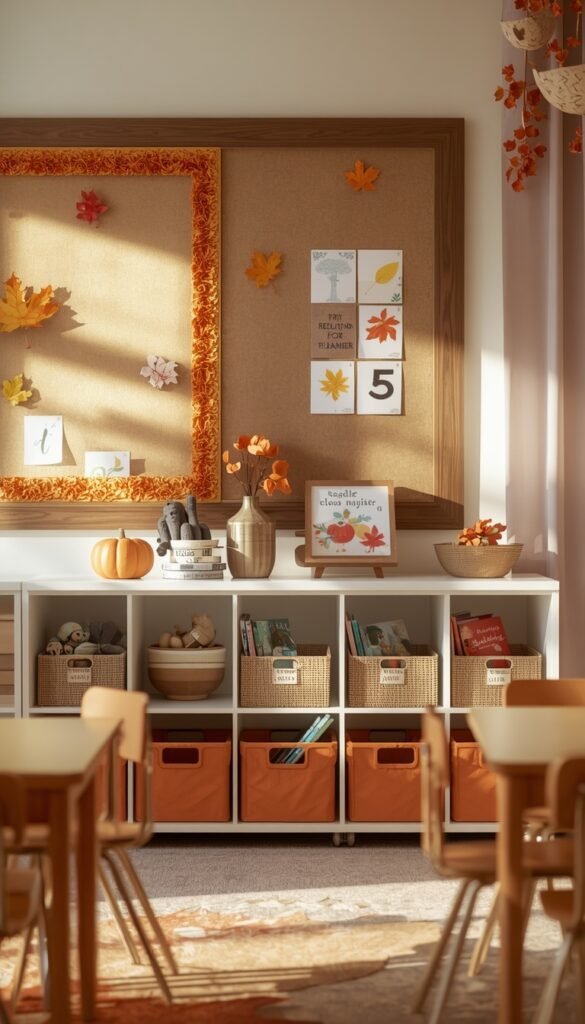
Let me be real with you for a second I have watched incredibly talented, passionate preschool teachers burn themselves out completely by trying to fully redecorate their classrooms every single month. It looks stunning in October. By February, they’re exhausted and the magic is completely gone. There is a smarter way to do this.
The approach I always recommend is what I call the 70/30 rule. Seventy percent of your classroom decor stays consistent all year long your reading nook, your learning centers, your student work displays, your core wall elements. These are your foundation pieces and they shouldn’t move. The remaining thirty percent is what rotates seasonally, and that’s where you focus your energy and budget.
For that rotating thirty percent, invest in a set of labeled monthly tubs where you store seasonal bulletin board pieces, themed read-alouds, and coordinating small decor items. Pull the tub, swap the pieces, done. The whole refresh takes a Sunday afternoon instead of an entire weekend, and your classroom still feels fresh and exciting to your students every single month without costing you your sanity.
9. Budget Breakdown Dollar Tree Finds vs Amazon Splurges vs DIY
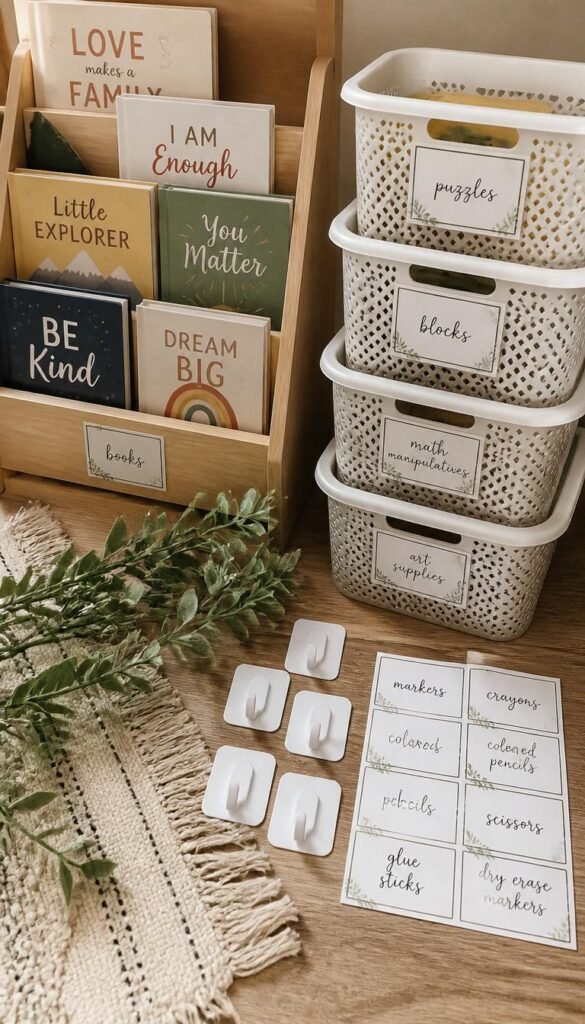
I get asked about classroom decor budgets constantly, and my honest answer is always the same: you do not need to spend a fortune to create a beautiful, functional preschool classroom. What you need is a clear strategy for where to save and where it’s actually worth spending a little more. Because not everything needs to be a splurge, but not everything should be a Dollar Tree gamble either.
Here’s how I break it down for teachers I work with:
- Dollar Tree wins: Plastic bins, seasonal accents, tablecloths for dramatic play areas, basic craft supplies, and small sensory bin fillers. These are items that get heavy use, get lost, or need replacing regularly anyway
- Amazon is worth it for: Forwardfacing book displays, string lights, faux plants, adhesive wall hooks, and storage labels. These are your foundation pieces that need to actually hold up through a full school year
- DIY is the move when: You want something truly custom, like a painted bookshelf, a sensory wall panel, or a themed dramatic play backdrop. The time investment pays off because these pieces become classroom signature moments that parents remember and kids talk about
One thing to watch out for is the Target Dollar Spot. I love it deeply, and I also know from personal experience that it is dangerously easy to spend $60 in there on cute things you genuinely don’t need. Go in with a list and a hard limit. Your future Sunday-evening self will thank you.
Are you working with a tight budget or ready to invest in a few key pieces?
10. Preschool Classroom Themes That Actually Survive the Full Year
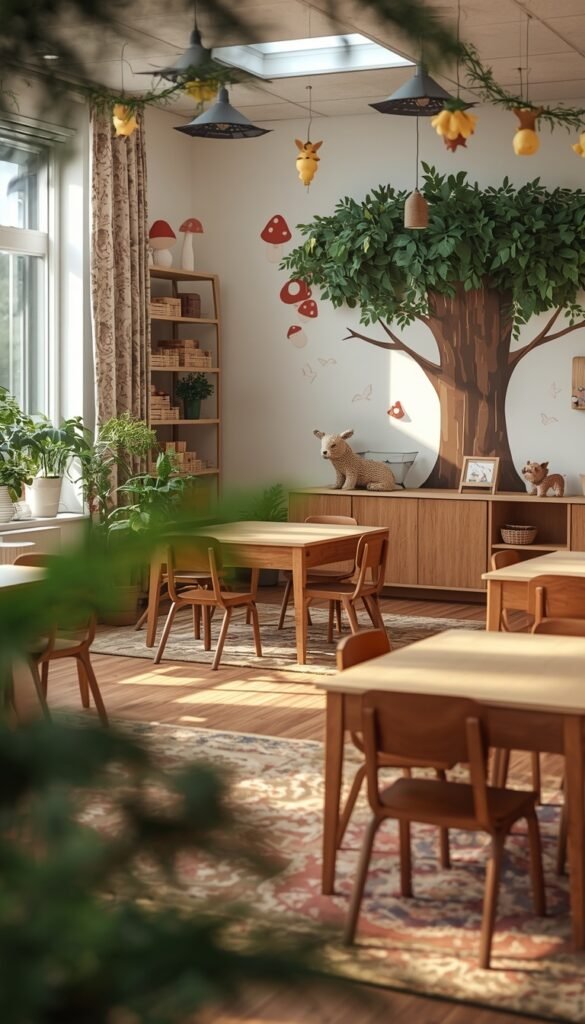
Here’s the truth about classroom themes that nobody really talks about: a lot of them look incredible in September photos and feel completely exhausting by November. The themes that actually work beautifully all year long are the ones built around broad, flexible concepts rather than one specific character or holiday. I’ve seen jungle themes, nature themes, and boho-inspired classrooms stay fresh and engaging from August all the way through May without a single major overhaul.
My three favorite full-year themes for preschool right now are:
- Nature and Forest: Earthy greens, warm browns, faux woodland animals, tree decals, and mushroom accents. This theme grows naturally with every science unit you teach and never feels out of place regardless of the season
- Boho Rainbow: Soft pastels, natural textures like jute and cotton, simple rainbow motifs, and plenty of greenery. It photographs beautifully, feels calm and welcoming, and works with almost any color of supply you already own
- Community and Friends: Bold primary colors used intentionally, diverse faces represented throughout the decor, and a focus on classroom jobs and helpers. This theme ties directly into your social-emotional learning curriculum and gives your wall displays constant purpose
The con with highly specific themes like a single cartoon character or a very trend-driven aesthetic is that they date quickly and can feel limiting when your curriculum takes you in a different direction mid-year. Broad themes give you creative freedom while keeping the room cohesive.
11. Furniture Arrangement Tips for Preschool Traffic Flow
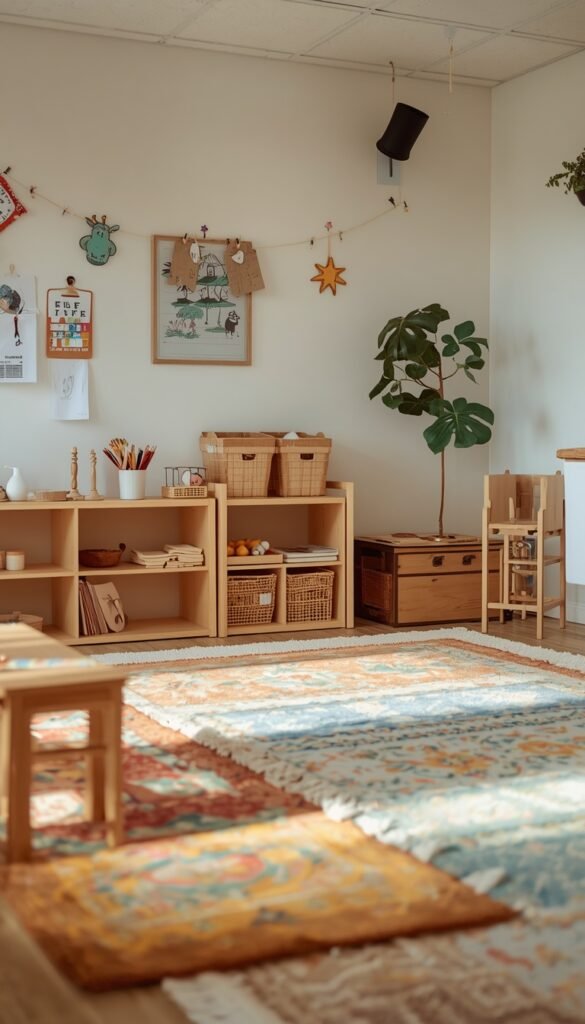
This is genuinely one of the most overlooked aspects of preschool classroom design, and it’s the one that impacts your day more than almost anything else on this list. You can have the most beautiful decor in the world, but if your furniture arrangement creates bottlenecks and chaos during transitions, your classroom will never feel calm or functional no matter how pretty it looks.
The number one mistake I see new preschool teachers make is placing their circle time rug directly in the center of the room. It feels logical give it the most space but it actually cuts off natural pathways and forces kids to navigate around it constantly throughout the day. Instead, anchor your circle time area to one wall or corner. This frees up the center of your room as a natural flow zone and makes transitions dramatically smoother.
A few furniture arrangement principles I come back to every single time:
- Keep your messiest activities, like art and sensory play, closest to the sink and away from your calm reading corner
- Create clear visual boundaries between zones using rugs, low shelves, and furniture placement rather than relying on kids to just know where one area ends and another begins
- Make sure you have clear sightlines from your most common standing position so you can see every zone in the room without moving
That last point is not just a management tip it’s a safety requirement in early childhood settings that a surprising number of classroom layouts completely ignore.
12. DIY Decor Ideas You Can Make in a Weekend
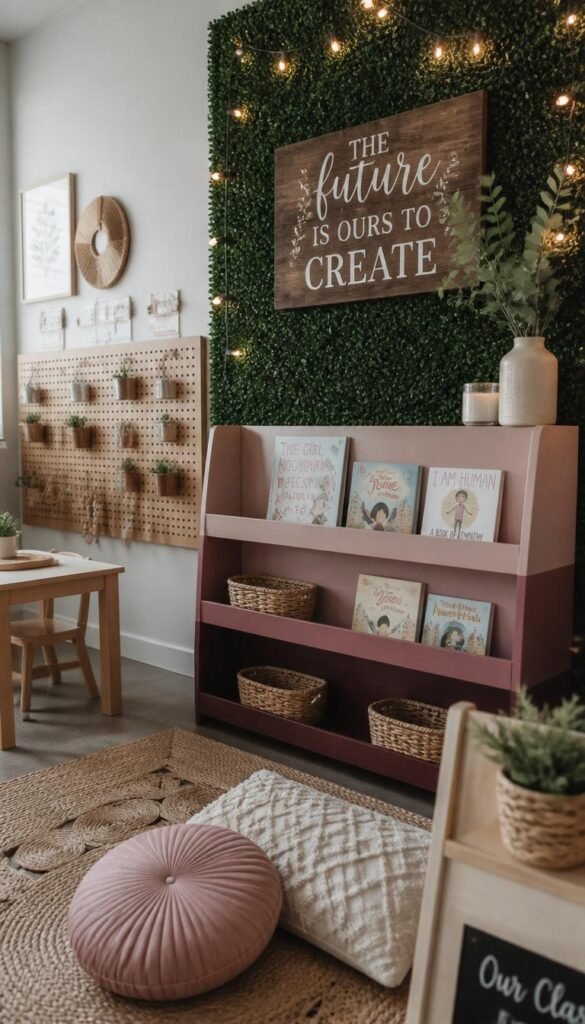
There is something deeply satisfying about looking around your classroom and knowing that the pieces people compliment most are ones you made yourself. DIY preschool classroom decor doesn’t have to mean hours of frustration and a hot glue gun burn collection the best DIY projects are the ones with a high visual impact and a low actual effort requirement. Those are the ones I’m sharing here.
The faux boxwood display wall is my absolute favorite beginner DIY for classroom spaces. Buy four to six faux boxwood panels from Amazon, attach them to an empty wall section or existing bulletin board using foam mounting tape, and add a simple wood sign or string lights in the center. The whole project takes about forty five minutes and looks like something out of a highend classroom design feature. Parents will ask you where you bought it every single time.
The ombre bookshelf is another project worth your weekend. Grab three to four shades of the same color family in small sample paint pots from Home Depot they run about $4 each and paint alternating shelves in graduating shades from light to dark. It turns a basic brown or black bookshelf into a genuine statement piece that anchors your whole classroom library corner beautifully.
A quick trick I love for sensory wall panels: buy a pegboard halfsheet from Home Depot for around $13, paint it your accent color, and hang it low on the wall at child height. Add hooks, rings, small baskets, and tactile materials that kids can touch, move, and rearrange independently. It functions as a sensory activity and looks intentional and designed rather than thrown together. Effort level is honestly a solid three out of ten. Impact level is a ten every single time.
Your 2 Minute Classroom Decor Decision Map
By Budget
Starter Teacher (Under $50)
- Begin with the Dollar Tree bin refresh and washi tape bulletin board borders
- DIY your reading nook using a repurposed shelf and floor cushions from Walmart
- Print free labels from Canva and skip the expensive decor bundles for now
- One faux plant from the Dollar Tree goes a long way on an empty shelf
Investment Teacher ($50 to $200 and beyond)
- Prioritize the faux boxwood display wall and forward facing book display first
- Add the IKEA KALLAX shelf for your library corner and paint it ombre
- Invest in a cohesive bin set in one color family for all your learning centers
- String lights and a quality washable rug are worth every single penny here
By Classroom Style
The Calm and Cozy Classroom
- Stick to sage green, warm white, and soft yellow as your base colors
- Keep walls at 25 percent coverage maximum and let the space breathe
- Nature elements, faux greenery, and a dedicated reading nook are your priorities
- Less decor, more intention — every piece should earn its place on the wall
The Bright and Playful Classroom
- Use bold accent colors in your learning centers and bin labels only
- Let student work be your primary wall feature and rotate it monthly
- Themed dramatic play areas and interactive bulletin boards are your strengths
- Keep one neutral anchor zone like your library corner so the room doesn’t overwhelm
Frequently Asked Questions
What are the best preschool classroom decor ideas on a tight budget?
Dollar Tree bins, washi tape borders, and free Canva printables get you surprisingly far. DIY projects like an ombre bookshelf or faux boxwood wall cost under $25 and look like a million dollars.
How often should I change my preschool classroom decorations?
Ideally, rotate just 30 percent of your decor monthly and keep the rest consistent. Changing everything constantly burns you out fast and honestly stops being noticed by kids after week two.
What colors work best for a preschool classroom environment?
Soft yellows, sage greens, and warm whites outperform bright neon every single time. They keep kids calm and focused without making the space feel cold or boring.
How do I set up learning centers that also look good?
Pick one color family for all your bins and labels and never mix. Cohesion is everything a mismatched center area reads as chaotic even when it’s technically organized.
Are classroom themes worth the effort for preschool?
Yes, but only if you choose a broad theme like nature or boho rainbow that flexes with your curriculum all year. Narrow themes tied to one character or trend get exhausting and limiting by November.
Conclusion
Your preschool classroom doesn’t need a massive budget or a full weekend overhaul to feel like a place kids genuinely love walking into every single morning. Start with one thing today clear a shelf, string up some lights, or swap those mismatched bins for a cohesive set and I promise you’ll feel the shift almost immediately. The classrooms that stay with children for years aren’t the ones with the most decorations on the walls. They’re the ones where someone clearly thought about how a four year old would feel standing in the middle of the room.
