
Your backyard is either your best-kept secret or your most wasted square footage and honestly, it doesn’t take a massive budget to flip that script.
Whether you’ve got a sprawling suburban yard, a narrow city patio, or a tiny apartment balcony, the right home garden ideas can turn even the dullest outdoor space into somewhere you actually want to spend time. I’ve worked with homeowners across the US from South Philly row homes to Arizona desert lots and the ones who love their outdoor spaces most aren’t the ones who spent the most. They’re the ones who planned with intention. These 13 ideas are exactly where I’d tell you to start.
My Design Notes
One of my favorite projects was a narrow 18-foot backyard in South Philadelphia. A young couple had just adopted a rescue dog, had roughly $1,800 to work with, and kept saying they wanted somewhere that “didn’t feel like the city anymore.” My first call? Skip the grass entirely. We laid decomposed granite pathways along the center, installed two cedar raised beds against the fence line, added a small bistro set in the corner, and trained climbing roses up a simple wood trellis. Total spend landed at $1,640. The finished space looked like a French countryside courtyard tucked inside a row home block. What I learned from that project and what I tell every client now is that constraints are actually a gift. They force you to be specific, and specific choices always produce more character than an open checkbook ever will. That little South Philly yard still comes to mind every time someone tells me their space is “too small to do anything with.”
Stunning Backyard Garden Ideas That Turn Any Outdoor Space Into Your Personal Oasis
1. Start With a Garden Mood Board Before You Touch the Soil

Most people make the same mistake. They get excited, head to the garden center, buy whatever looks pretty, bring it home, and then wonder why nothing feels cohesive six months later. I’ve seen it happen with a $500 budget and a $15,000 one. The fix is simple before you buy a single plant or paver, build a mood board.
Pull inspiration from Pinterest, Instagram, even magazine clippings. Notice what keeps showing up. Are you drawn to wild, overgrown cottage gardens with roses spilling over stone paths? Or do you lean toward clean lines, gravel, and architectural plants? That pattern tells you your garden personality, and once you know it, every purchase decision becomes easier and smarter.
A quick trick I’ve learned is to also photograph your outdoor space at three different times of day morning, noon, and late afternoon. Light changes everything. A corner that looks bright and cheerful at 10am can feel dim and shadowy by 3pm, and that directly affects which plants will actually thrive there.
2. Raised Garden Beds: The Smartest $200 You’ll Spend on Your Yard
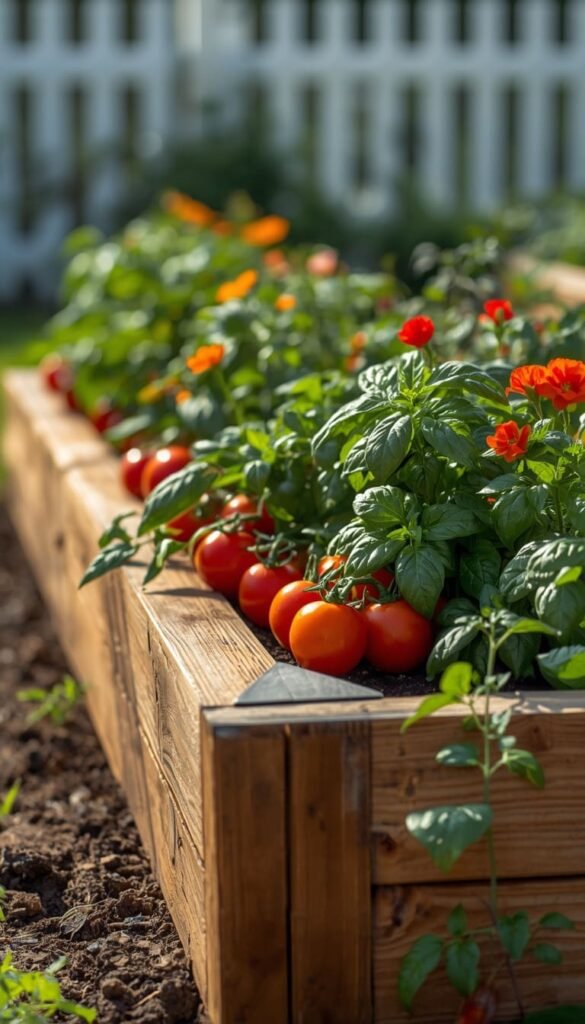
Raised beds have quietly become the MVP of American backyard gardening, and for good reason. They give you control over your soil quality, they drain better than in-ground plots, they warm up faster in spring, and they keep weeds significantly more manageable. If you’ve ever tried growing vegetables in heavy clay soil and failed, a raised bed would have changed that outcome entirely.
Cedar is my top recommendation for the material. It’s naturally rot-resistant, it looks beautiful aging to a soft silver-gray, and a basic 4×8 cedar bed kit runs anywhere from $80 to $180 at most home improvement stores. One thing to watch out for is going too deep 10 to 12 inches is plenty for most vegetables and herbs. Anything deeper and you’re just spending money on extra soil fill.
A few things that make raised beds work even harder:
- Place them where they’ll get at least 6 hours of direct sun daily
- Line the bottom with cardboard before adding soil it suppresses weeds and breaks down naturally
- Group plants with similar watering needs together so you’re not overwatering one while underwatering another
3. Vertical Gardens for Balconies, Fences and Tiny Patios
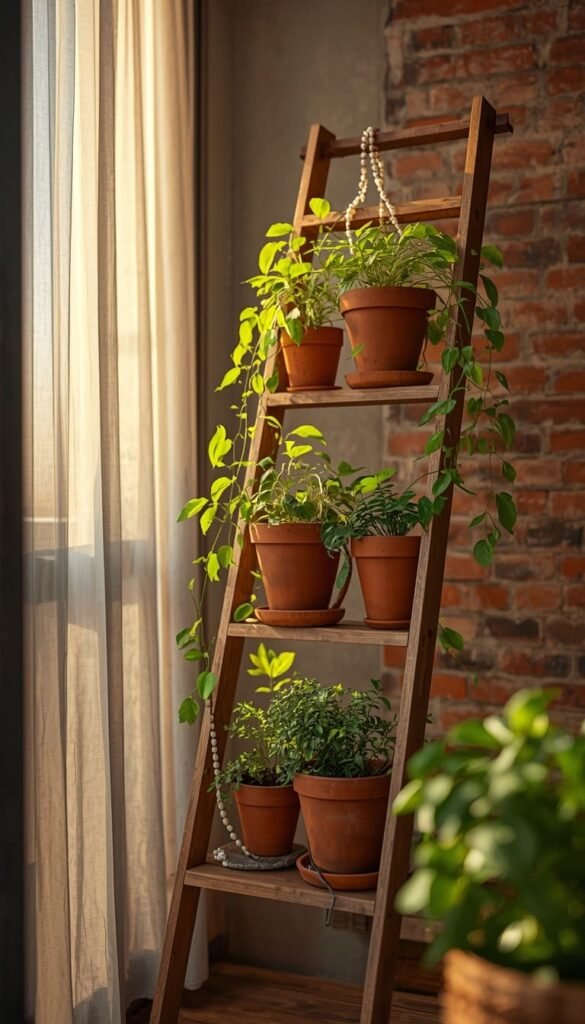
If floor space is your enemy, vertical space is your best friend. This is the idea I push hardest for renters, apartment dwellers, and anyone working with a patio under 200 square feet. A well-executed vertical garden can hold 20 to 30 plants in the footprint of a single square foot of floor space. That’s a dramatic return on a very small investment.
Pocket planters mounted on a fence, tiered wall-hung shelving, or even a repurposed wooden pallet with clay pots attached all of these work beautifully. Trailing plants like pothos, string of pearls, or sweet potato vine look especially stunning cascading downward, while herbs like basil, mint, and thyme are perfectly happy in small vertical pockets and stay conveniently at hand-height for cooking.
For renters specifically, look for vertical systems that use tension rods or freestanding ladder shelves. No drilling, no damage, no lost security deposit.
4. The Cottage Garden Look and How to Pull It Off Without It Looking Messy
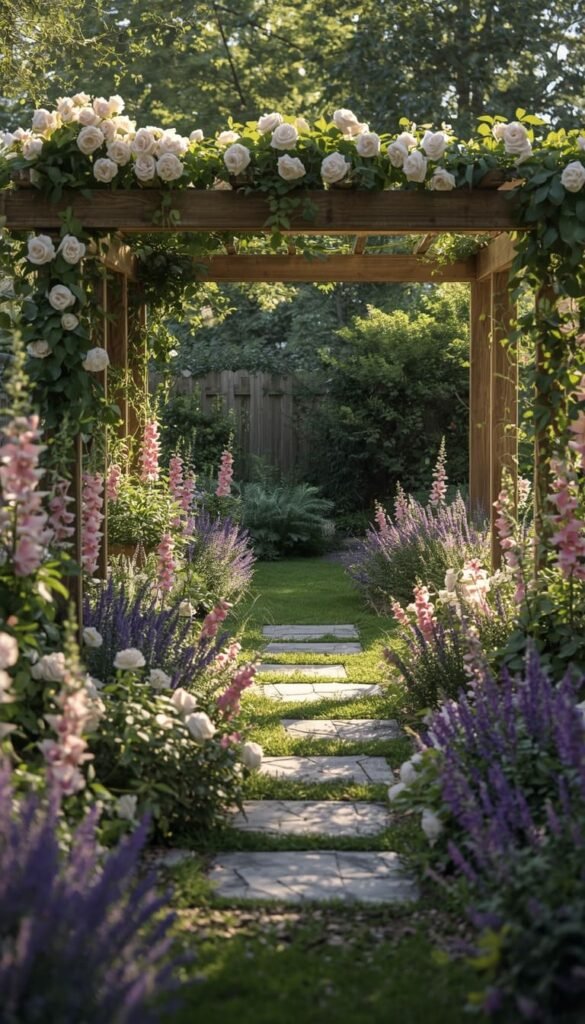
The cottage garden aesthetic is one of the most searched garden styles in the US right now, and I completely understand the appeal. It’s romantic, abundant, and has this effortless “things just grew here” quality that feels very different from a stiff, formal landscape. The catch and this is what competitors never tell you is that a cottage garden that looks effortlessly wild is actually the result of very deliberate planting choices.
The secret is layering by height. Tall plants like foxglove, delphinium, or ornamental grasses go at the back. Mid-height bloomers like echinacea, salvia, and roses fill the middle. Low-growing plants like lavender, creeping thyme, or alyssum spill forward at the edges. When you follow that structure, the “wild” look stays controlled enough to feel intentional rather than neglected.
Color palette matters just as much. Stick to soft, related tones blush pinks, creamy whites, dusty purples, soft yellows. The moment you introduce too many saturated, contrasting colors, the cottage feel disappears and it starts looking more like a jumble sale. One honest reality cottage gardens do require deadheading and seasonal cleanup. They’re not zero-maintenance. But the payoff in sheer beauty is worth every hour you put in.
Top 6 Home Garden Ideas:
| Idea | Estimated Price | Maintenance |
|---|---|---|
| Raised Garden Beds | $80 to $180 per bed | Low |
| Vertical Garden Setup | $40 to $120 per system | Low |
| Cottage Garden Planting | $150 to $400 per season | High |
| Fire Pit Seating Area | $300 to $900 complete | Low |
| Garden Pathway | $100 to $600 depending on material | Low |
| Outdoor Lighting Setup | $50 to $250 for string and path lights | Low |
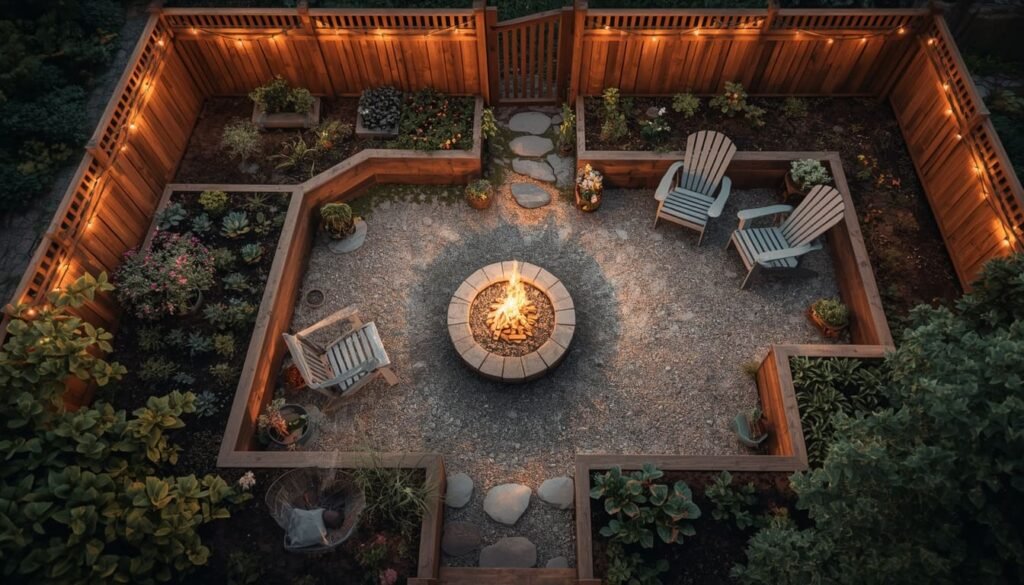
5. A Fire Pit Seating Area That Actually Functions Year Round
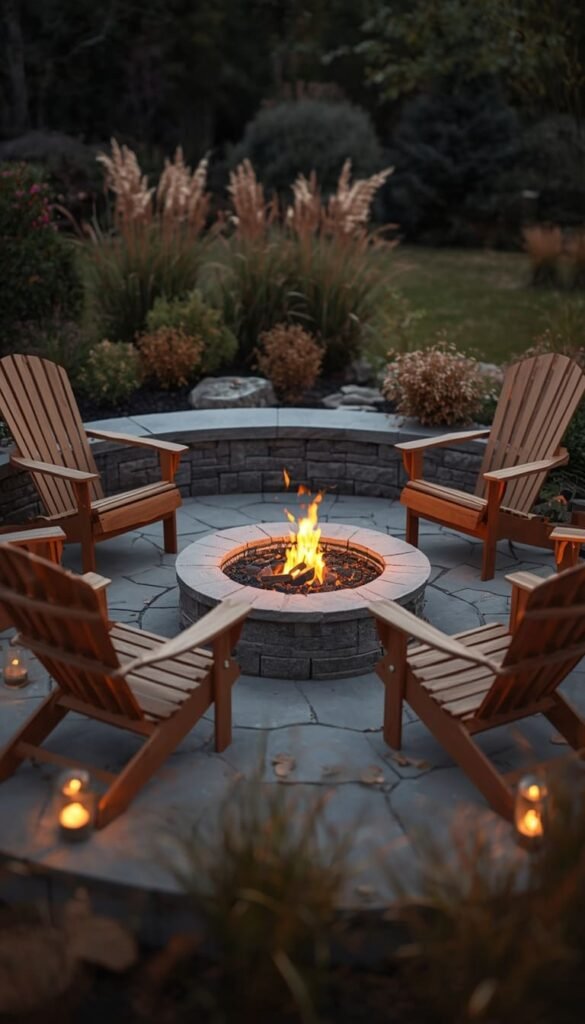
A fire pit is one of those backyard investments that sounds purely atmospheric but actually extends your outdoor living season by months. In most US climates, a well-designed fire pit area means you’re outside comfortably from early March through late November. That’s a significant return on what can be a surprisingly affordable project.
The mistake I see most often is treating the fire pit as an afterthought plopped in the middle of the yard with mismatched chairs pulled around it. What separates a beautiful fire pit space from a functional one is intentional seating design. Think in circles. A curved stone bench, a set of matching Adirondack chairs, or even built-in tiered seating like the amphitheater-style designs I’ve admired in Colorado projects these create a sense of destination rather than accident.
A few things worth knowing before you commit:
- Gas fire pits are cleaner and easier to manage, but wood-burning ones create that authentic crackle and smell that no gas flame can replicate
- Keep your seating at least 7 feet from the pit edge it sounds like a lot until the first time embers pop
- Gravel or flagstone underneath is always smarter than wood decking directly around an open flame
6. Container Garden Ideas That Go Beyond the Basic Terra Cotta Pot
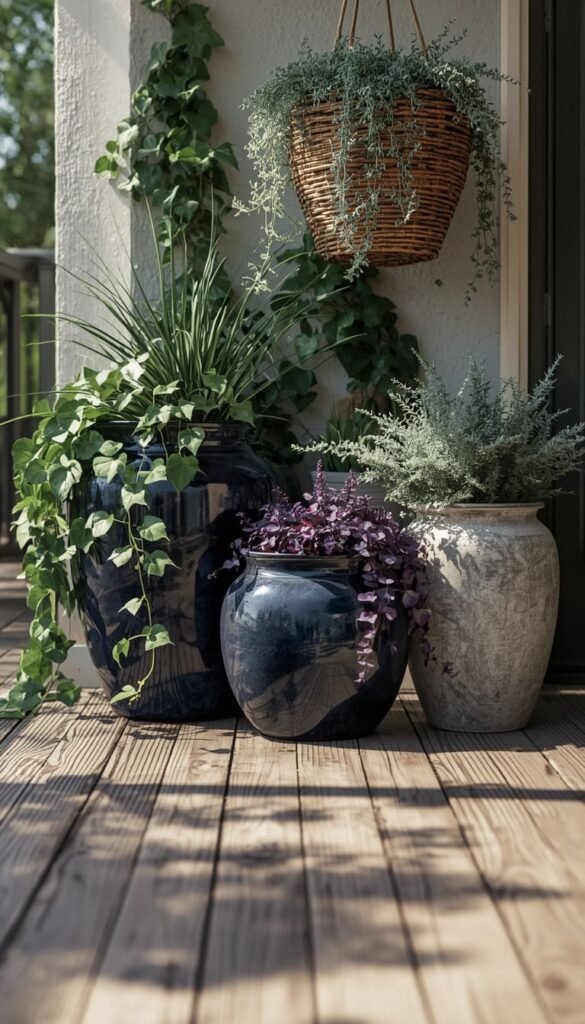
Terra cotta has its place it’s classic, it breathes well, and it looks warm against greenery. But if every pot in your garden is the same size, same material, and same rust-orange color, the whole space starts to feel like a garden center display rather than a curated outdoor room. Mixing container styles is one of the fastest ways to add personality without spending much.
I love pairing oversized glazed ceramic pots in deep navy or forest green with smaller concrete planters and a hanging woven basket or two. The contrast in texture and scale creates visual depth that a matching set simply can’t achieve. One thing to watch out for with large ceramic pots they’re gorgeous but genuinely heavy. Once filled with soil, moving them is a two-person job at minimum, so place them thoughtfully before you plant.
For small patios and balconies, a tiered plant stand is a game-changer. You get the layered, lush look of a full garden in about 4 square feet of floor space. Plant the top tier with trailing varieties so they cascade downward and soften the whole structure naturally.
Which part of your outdoor space frustrates you the most right now the lack of privacy, the bare walls, or just not knowing where to even begin?
7. Garden Pathways: The Design Detail That Ties Everything Together
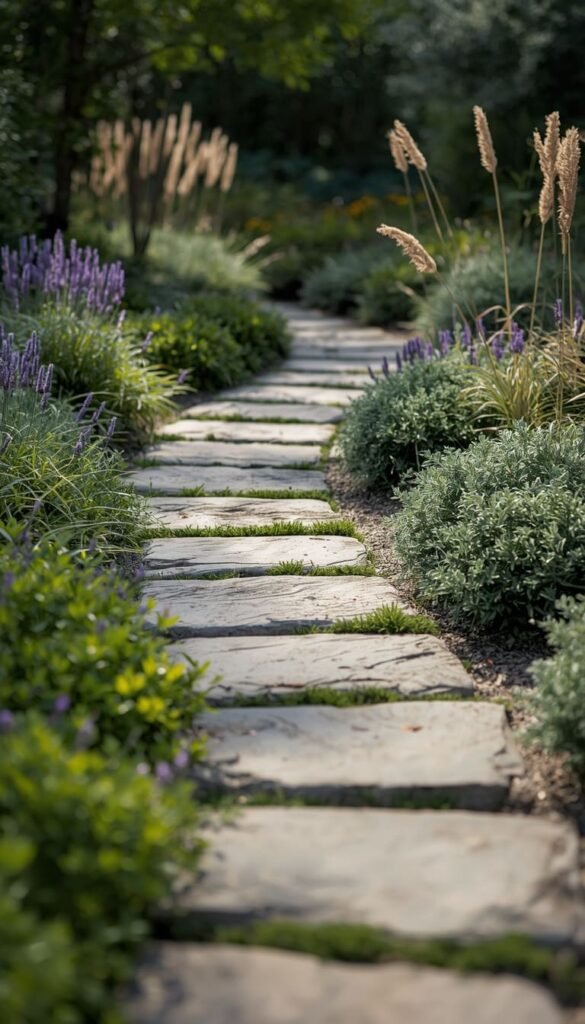
Here’s something I notice every time I walk through a beautifully landscaped yard there’s always a clear path. It sounds obvious, but a well-laid garden pathway does something almost psychological. It gives the eye somewhere to travel, it creates a sense of journey through the space, and it quietly organizes everything around it without anyone consciously noticing why the garden feels so put-together.
Material choices matter enormously here. Flagstone feels timeless and suits cottage, traditional, and even transitional styles beautifully. Decomposed granite is affordable, drains well, and works perfectly in modern or Mediterranean-inspired gardens. Stepping stones set into ground cover like creeping thyme are my personal favorite the thyme releases a gentle herbal scent when stepped on, which is one of those small sensory details that makes a garden genuinely memorable.
Keep pathways at least 36 inches wide. Anything narrower starts to feel cramped and awkward when two people walk side by side, and in an entertaining space, that matters more than you’d think.
8. Front Yard Landscaping That Boosts Curb Appeal Without HOA Drama
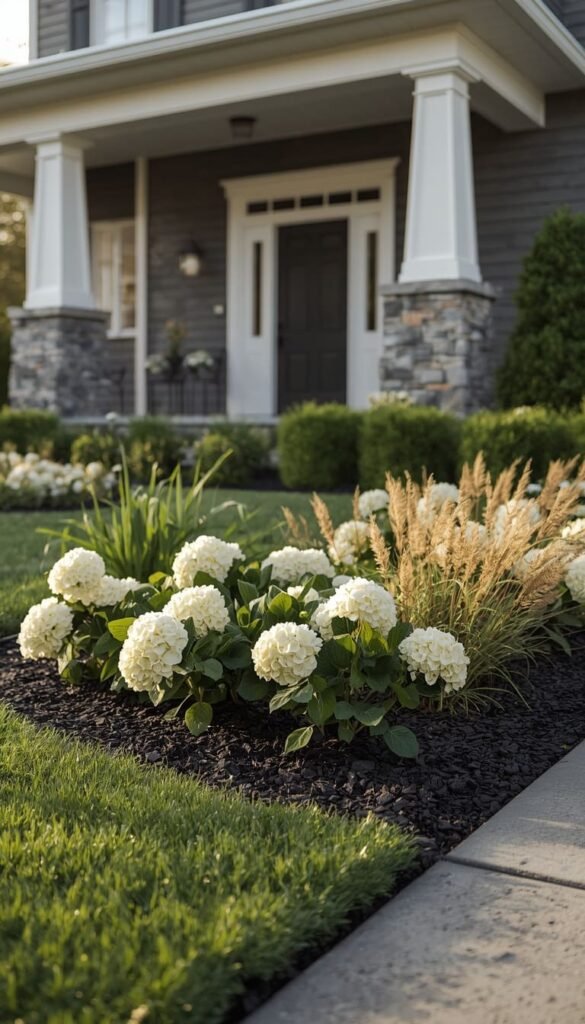
Your front yard is doing a job whether you tend it or not it’s making a first impression around the clock. The good news is that a few strategic changes can dramatically shift how your home reads from the street, and most of them are far simpler than a full landscape overhaul.
Start with the foundation plantings directly around your home’s base. Overgrown, dated shrubs the classic builder-grade yews and junipers age a home faster than almost anything else. Swapping them out for a mix of ornamental grasses, compact hydrangeas, or low boxwood hedges immediately modernizes the look. Add a defined edge along your lawn border using a simple steel edging strip, and the whole front yard looks sharper without a single new plant added.
For HOA-governed neighborhoods, the smartest approach is to work within the palette they allow but push the design as far as those rules permit. Neat, structured planting beds with a consistent mulch color read as polished and intentional and rarely trigger any complaints. A quick trick I’ve used with clients is to pick one “statement plant” per bed, something with interesting form or color, and build everything else around it quietly. It gives the eye a focal point without ever looking rebellious.
9. DIY Garden Decor That Looks Expensive And What to Skip
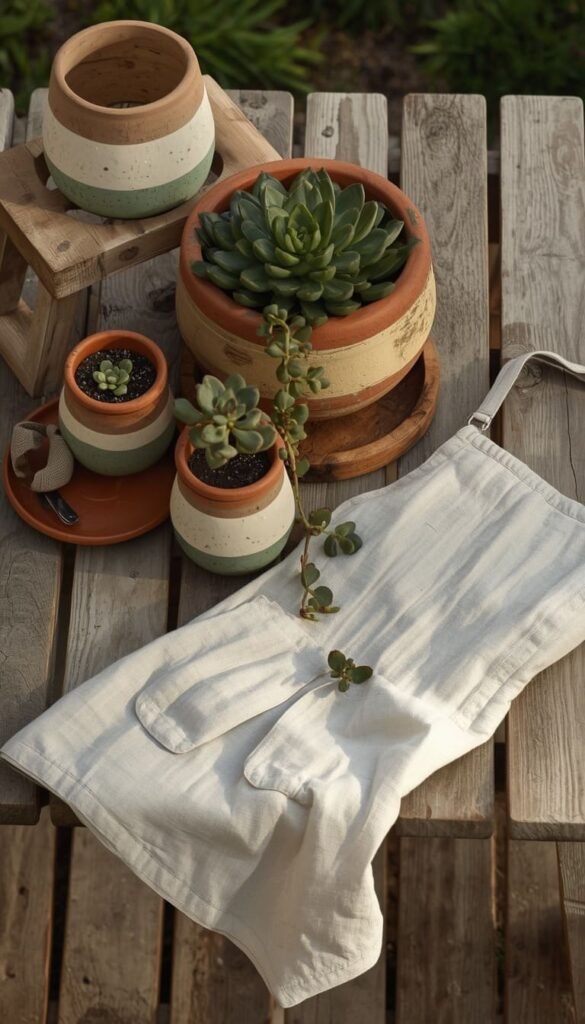
There’s a version of DIY garden decor that genuinely elevates a space, and there’s a version that makes it look like a craft fair exploded in your backyard. The difference usually comes down to restraint. I always tell clients pick a material theme and stick to it. If you’re going rustic, commit to weathered wood, aged metal, and natural stone. If you’re going modern, keep it concrete, clean lines, and matte black accents. Mixing too many DIY styles in one space is where things go sideways fast.
Some DIY ideas that consistently punch above their price point:
- A simple wooden plant riser built from scrap lumber — elevates container groupings and adds instant visual structure
- Painted terracotta pots in a single coordinating color family — cohesion is the whole trick here
- Upcycled vintage pieces used as planters — an old colander, a worn wooden crate, even a cracked wheelbarrow can become a genuine focal point when planted thoughtfully
What I’d skip entirely? Anything that requires constant maintenance to look good. Painted rocks fade, DIY concrete pieces crack unevenly without proper sealing, and elaborate wind chime installations tend to look charming for about one season before they start looking tired. Invest your DIY energy in pieces that age gracefully on their own.
10. The Vegetable Garden Layout That Actually Produces Food
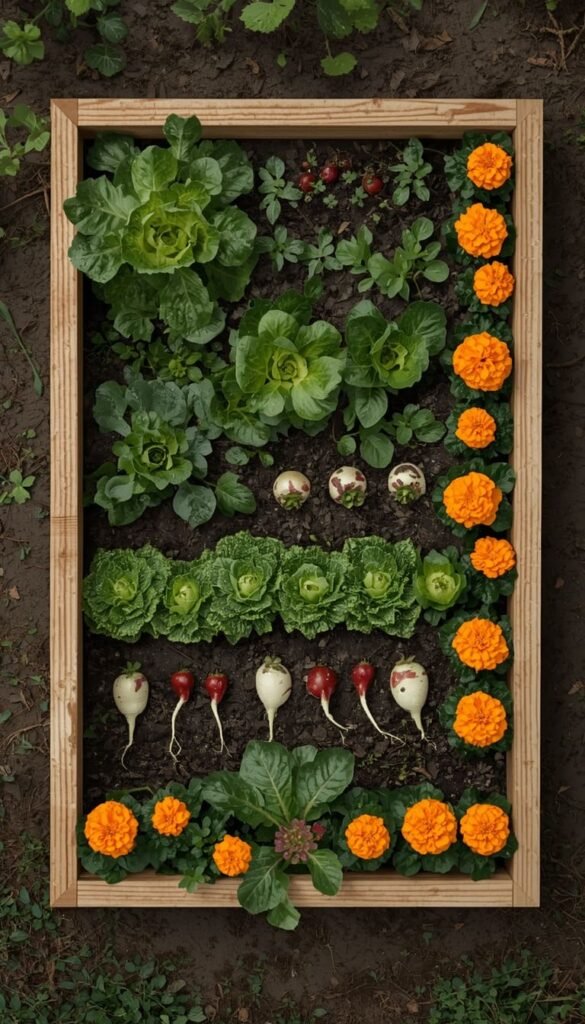
A lot of first-time vegetable gardeners plant with enthusiasm and harvest with disappointment. Not because they chose the wrong plants, but because the layout worked against them from day one. Sunlight access, spacing, and companion planting are the three variables that separate a productive kitchen garden from a garden that just looks like it should be producing food.
The layout I recommend most consistently is a simple grid system inside raised beds often called square foot gardening. Divide your bed into one-foot squares and assign each square a plant density based on size. Sixteen radishes fit in one square. Four lettuce heads. One tomato plant. One zucchini, which will promptly try to take over three neighboring squares if you let it one thing to absolutely watch out for with zucchini is giving it far more room than the seed packet suggests.
Companion planting is worth taking seriously too. Basil genuinely improves tomato flavor and repels certain pests when planted nearby. Marigolds along the border deter aphids and look beautiful doing it. Tall plants like corn or sunflowers can provide afternoon shade for heat-sensitive greens like spinach and arugula during summer months. These relationships make your garden work smarter, not harder.
11. Modern Minimalist Garden Design for the Clean Aesthetic Crowd
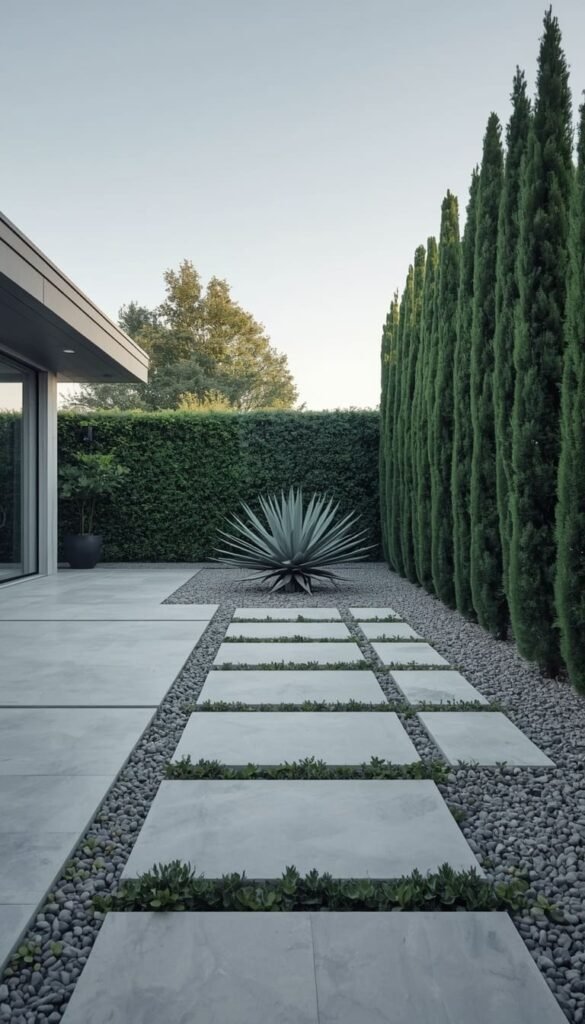
If your interior style runs toward clean lines, neutral palettes, and the philosophy that empty space is a design element rather than wasted opportunity your garden should reflect that same sensibility. The modern minimalist garden is probably the most misunderstood style in American landscaping, mostly because people confuse “minimal” with “boring.” Done well, it’s anything but.
The foundation of this look is always hardscape first, softscape second. A generous concrete or porcelain paver patio, clean gravel beds, and structured geometric planting zones establish the bones. Plants are chosen for form over abundance ornamental grasses that move beautifully in the wind, a single sculptural agave, a row of perfectly spaced Italian cypress trees, or a low hedge of boxwood clipped to a clean edge.
Color stays intentional and tight. Green, silver, charcoal, white. The occasional single-color bloom all white hydrangeas or all black-eyed Susans used as a deliberate accent rather than a riot of mixed color. What makes this style particularly appealing for busy homeowners is the maintenance reality: fewer plant varieties, clean mulched or graveled beds, and structured forms mean significantly less weekly upkeep than a cottage garden demands.
12. String Lights Lanterns and Outdoor Lighting Done Right
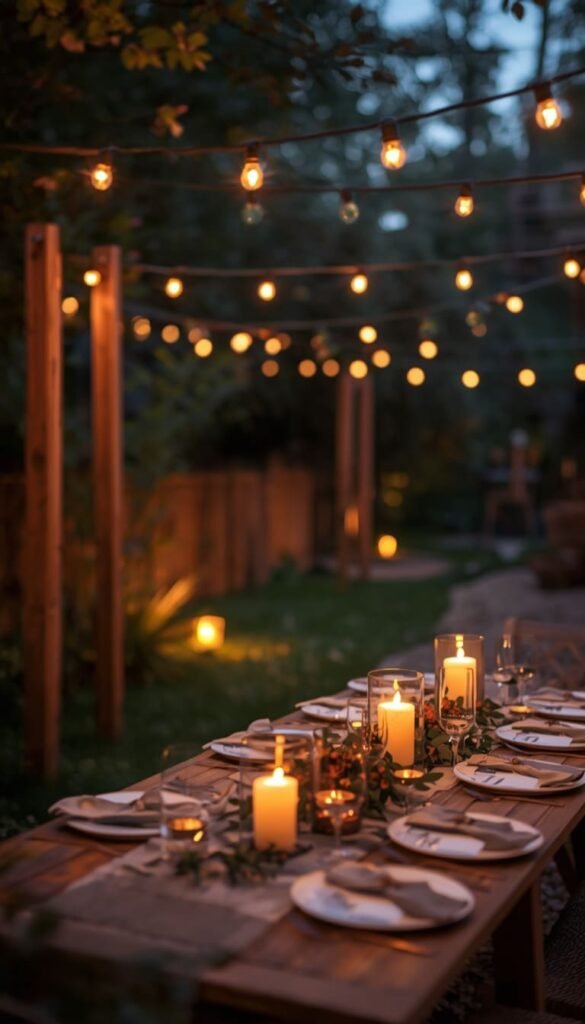
Outdoor lighting is the detail that separates a backyard that looks great in photos from one that actually feels magical to spend time in after dark. And yet it’s consistently the last thing people budget for and the first thing that gets cut when costs creep up. I’d argue it should be exactly the opposite you can have a modest garden that feels utterly enchanting at 8pm simply because the lighting is right.
String lights are the most accessible starting point, but how you hang them changes everything. Swagging them between fixed posts at a gentle curve creates a soft “ceiling” effect that makes any outdoor space feel like a room. Stringing them tightly and horizontally along a fence line, on the other hand, reads more like a parking lot than a garden. The curve is the thing.
Beyond string lights, layering matters just as much as it does indoors:
- Path lighting at ground level guides movement and adds safety without feeling clinical
- Uplighting aimed at a beautiful tree or textural plant creates drama and depth
- A lantern or two at tabletop height adds warmth right where people are gathered and looking
Solar has come a long way and works well for path lighting and accent pieces. For string lights specifically, I still prefer a low-voltage plug-in setup the light quality is consistently warmer and more reliable through all seasons.
And if you could change just one thing about your backyard or balcony this weekend, what would it be?
13. Your Backyard Oasis Moment How to Layer It All Into One Cohesive Space
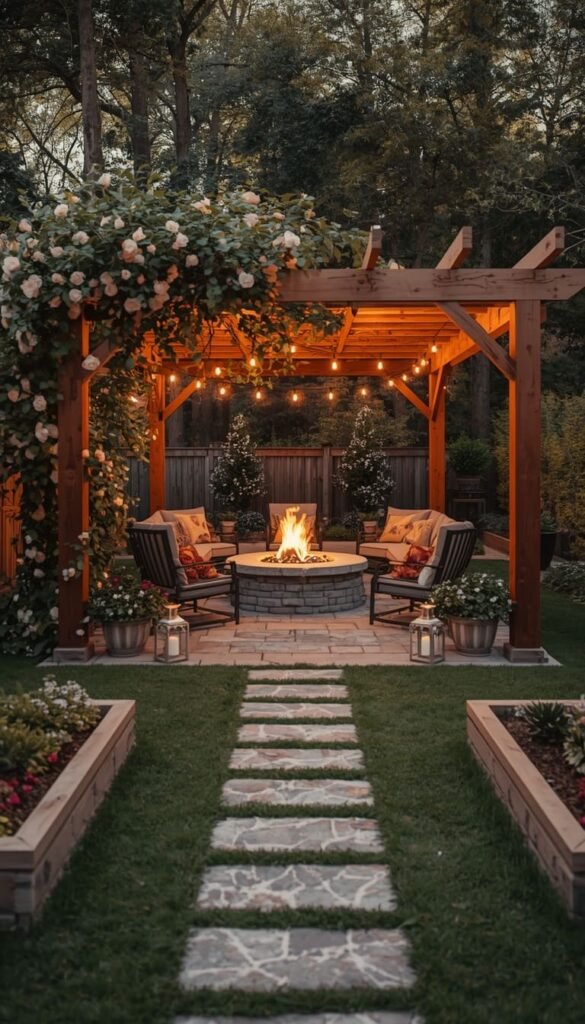
This is the point where everything we’ve talked about either comes together beautifully or falls apart and the difference is almost always about layering with intention rather than just accumulating ideas. I’ve walked through backyards that had every element on this list and still felt chaotic. I’ve also walked through simple spaces with maybe four of these ideas executed really well, and they felt like somewhere you’d never want to leave. The execution is everything.
Think of your outdoor space the way a good interior designer thinks about a room. You need an anchor — a fire pit, a dining table, a water feature, something that says “this is the center of gravity here.” Everything else radiates outward from that point. Seating faces it. Lighting draws the eye toward it after dark. Plants frame it without crowding it.
A few layering principles I come back to on every project:
- Vary your surface materials — don’t let one texture dominate the entire space. Mix stone with wood with gravel with grass and the space immediately feels richer
- Create at least two distinct zones even in a small yard — one for dining, one for lounging. The separation makes the space feel larger and more intentional
- Let something living do the heavy lifting — a climbing rose on a trellis, a row of tall ornamental grasses, a potted olive tree. Living elements bring movement, scent, and seasonal change that no furniture or decor can replicate
The most honest thing I can tell you about creating a backyard oasis is that it doesn’t require a big budget or a large space. It requires a clear vision, a little patience, and the willingness to build it in layers over time rather than trying to finish it in a single weekend. Start with one idea from this list that genuinely excites you. Get that right. Then add the next layer. That’s how the spaces I’m most proud of were built slowly, thoughtfully, and always with the people who live there at the center of every decision.
Your 2-Minute Garden Decision Map
By Budget
Starter and Budget Friendly (Under $200)
- Go vertical — pocket planters and ladder shelves cost almost nothing and transform a fence or wall instantly
- Start one raised bed, not three — nail the soil and sunlight first, then expand next season
- String lights and a bistro table turn even a concrete slab into somewhere worth sitting
- DIY your decor — painted pots and upcycled containers beat expensive garden center displays every time
Investment and Luxury (Above $500)
- Build a permanent fire pit seating area with stone or concrete — it adds real resale value
- Commission custom cedar raised beds with drip irrigation built in from the start
- Go full modern minimalist with porcelain pavers, structured hedging, and architectural plants
- Invest in a pergola or pavilion — it becomes the anchor your entire backyard organizes around
By Lifestyle
Busy Families and Pet Owners
- Raised beds with fencing — keeps dogs out and kids’ curiosity contained
- Decomposed granite pathways — durable, affordable, and forgiving of heavy foot traffic
- Skip white gravel and light-colored rugs on the patio — they look stunning and show every muddy paw print
- Low-maintenance perennials over annuals — plant once, enjoy for years
Minimalists and Clean Aesthetic Lovers
- Choose three plants maximum per bed and repeat them — repetition reads as intention
- Stick to one hardscape material throughout the entire space
- Let negative space breathe — an empty gravel patch is a design choice, not an oversight
- One statement container, oversized and sculptural, beats ten mismatched pots every time
Frequently Asked Questions
What is the cheapest way to start a home garden?
Raised beds with seed-starting kits are your most budget-friendly entry point a basic setup runs $80 to $150 total. Seeds cost a fraction of nursery transplants, and starting small means fewer mistakes on a bigger budget later.
How do I make my small backyard look bigger?
Vertical gardens, diagonal pathways, and layered planting heights all create depth that tricks the eye. Mirrors mounted on a fence work surprisingly well too a trick I’ve used on city patios under 100 square feet.
What low maintenance plants work best for a US backyard garden?
Lavender, black-eyed Susans, ornamental grasses, and coneflowers are nearly bulletproof across most US climate zones. They come back every year, handle drought reasonably well, and look intentional without constant attention.
How much does a backyard garden makeover cost on average?
The average US homeowner spends between $1,500 and $5,000 for a solid backyard refresh. A tight but well-planned $800 budget can still deliver real results if you prioritize raised beds, lighting, and one strong focal point.
Can I create a garden on a rental apartment balcony?
Yes, and it’s easier than most renters think. Freestanding vertical planters, lightweight containers, and tension-rod shelving require zero drilling and leave zero damage your security deposit stays safe and your balcony looks genuinely beautiful.
Conclusion
Your dream outdoor space isn’t waiting on a bigger budget or a larger yard it’s waiting on a decision. Pick one idea from this list that made you stop scrolling and start there. Buy the cedar boards for that first raised bed. Order the string lights. Move the patio furniture two feet to the left and see how differently the space feels. Small moves, made with intention, are how every great garden actually starts.
Your home is your sanctuary, and the outdoor space is too often the last room to get that treatment. It deserves better and honestly, so do you.
So tell me which of these 13 ideas are you tackling first? Drop it in the comments, I’d genuinely love to hear what you’re working with.
