
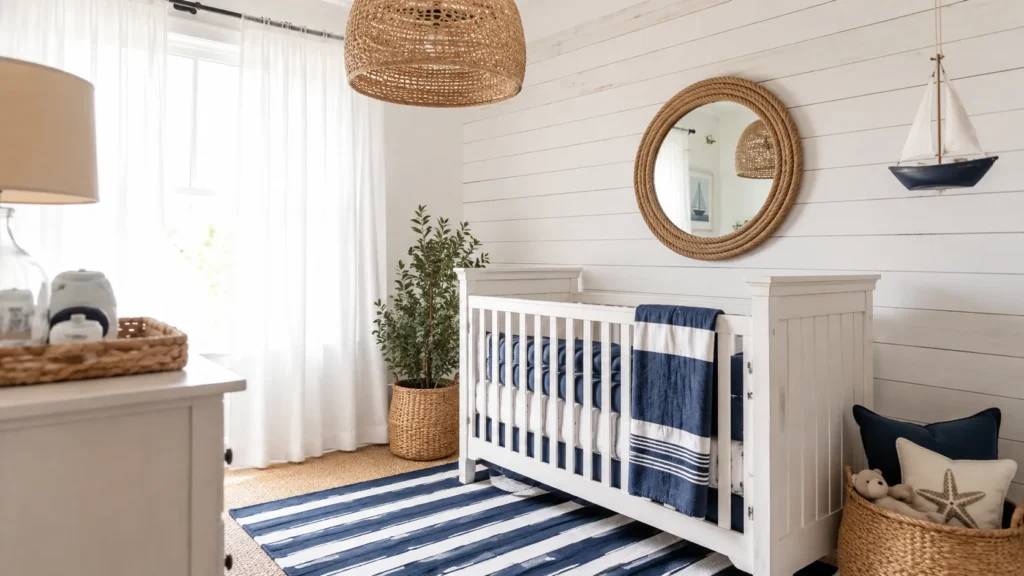
A nautical nursery either looks like a five star coastal retreat or a gift shop that exploded, and there is rarely an in between. I have designed a handful of these rooms for clients from Annapolis to Austin, and the difference always comes down to a few smart choices made early on. This guide walks you through eleven ideas that keep the look crisp, calming, and genuinely liveable for both you and Baby. No cheesy anchors glued to everything, I promise.
My Design Notes
When I was working on a nursery project for a young couple in Annapolis, Maryland, budget was tight and the dad happened to be an actual sailor. Instead of buying decorative props that scream “theme,” we used his grandfather’s old sailing rope to frame a mirror and spell out the baby’s name above the crib. I remember we almost ruined the whole look with a gorgeous white jute rug that seemed perfect in the showroom. Two weeks in, it had already caught coffee drips and a memorable diaper blowout. We swapped it for a low pile navy and white stripe from a mid range retailer, and honestly, it pulled the room together better than the original pick ever came together better than the original pick ever could. My biggest takeaway from that job is that a nautical nursery should feel like it belongs to your family, not like it was shipped in from a catalog.
Mastering an Unforgettable Coastal Nursery Look
1. Start With a Coastal Palette Beyond Navy and White
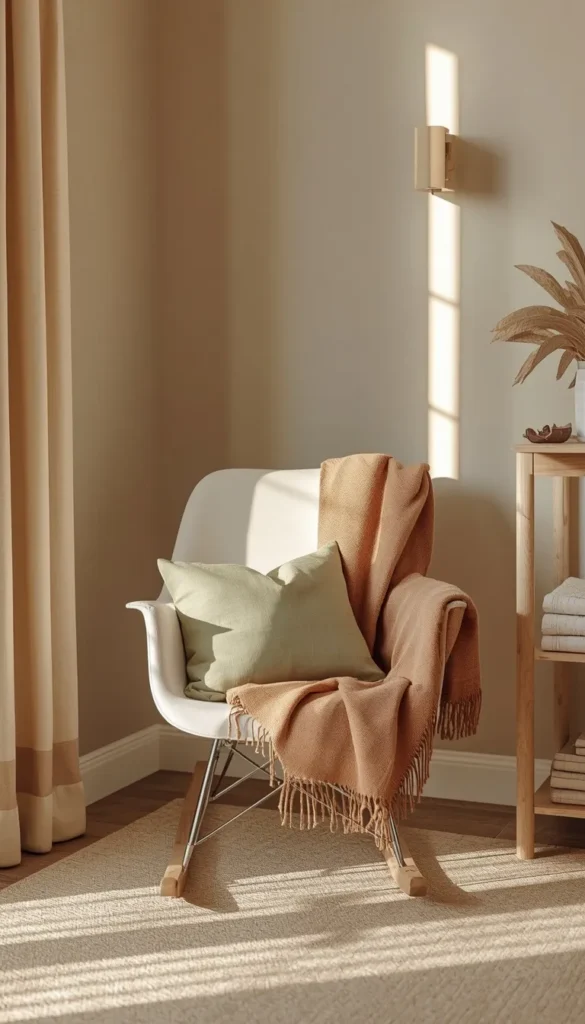
Navy and white will always be the backbone of a nautical nursery, and there’s a reason for that. It’s crisp, it’s classic, and it photographs beautifully. But I’ve started pushing my clients toward a slightly broader palette lately. Think sandy beige, weathered driftwood tones, sage green, or even a muted terracotta red used sparingly. These colors soften the theme so it reads as coastal living rather than a sailor costume.
A trick I’ve picked up over the years is to pick your two main colors first, then add one accent that does the heavy lifting. If you go navy and white, let a warm red or a dusty coral be your third color rather than adding four or five different hues. It keeps things cohesive and honestly makes shopping so much easier when you’re not chasing down a dozen shades that don’t quite match.
2. Choose a Crib That Works Long Term
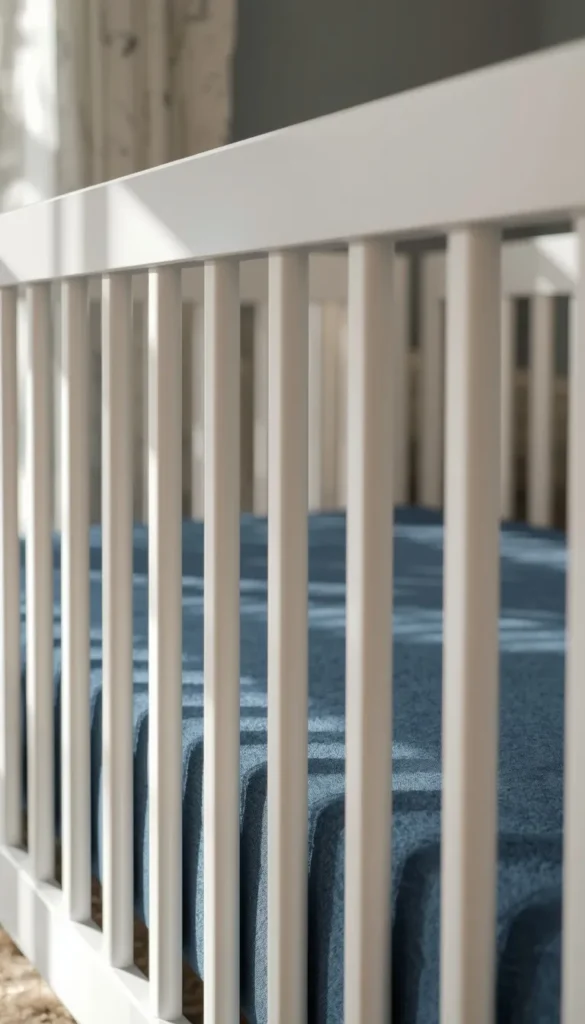
The crib is the single biggest investment you’ll make in this room, so I always tell clients not to let the theme drive this decision. Function comes first here.
Look for a convertible crib that transitions into a toddler bed Check that the paint or finish is lead free and low VOC Pick a neutral wood tone or white finish so it survives a style change down the road
A three in one crib is genuinely worth the extra cost if your budget allows it. It saves you from buying furniture twice, and a plain white or natural wood frame will fit into whatever room your child wants in three years, whether that’s still coastal or a total departure into something else entirely.
3. Add a Shiplap or Peel and Stick Accent Wall
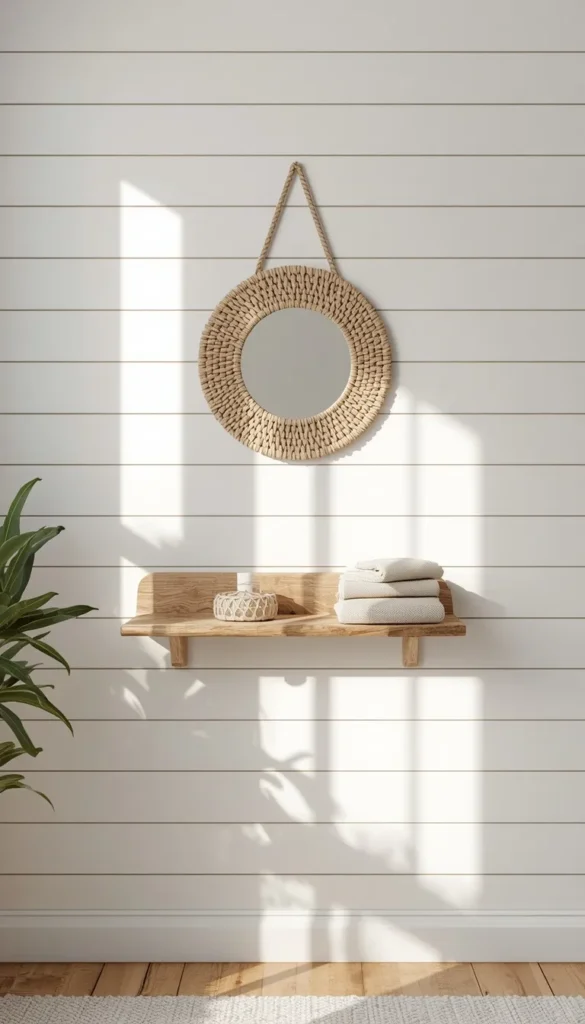
This is probably the single most requested feature I get for nautical nurseries, and for good reason. A shiplap wall instantly sets a coastal tone without you needing to add much else. If you’re handy or willing to hire it out, real shiplap boards give you the most authentic texture and hold up beautifully over time.
If a full renovation isn’t in the cards, peel and stick shiplap wallpaper has come a long way and can look surprisingly convincing from a few feet back. One thing I always mention to clients is to measure twice before ordering, since these panels are designed to line up in a specific pattern and a miscalculation means an awkward seam right where you don’t want one. Either route gives you a focal point that works whether the crib sits against it or a gallery wall does.
4. Pick a Rug That Can Survive Real Baby Life
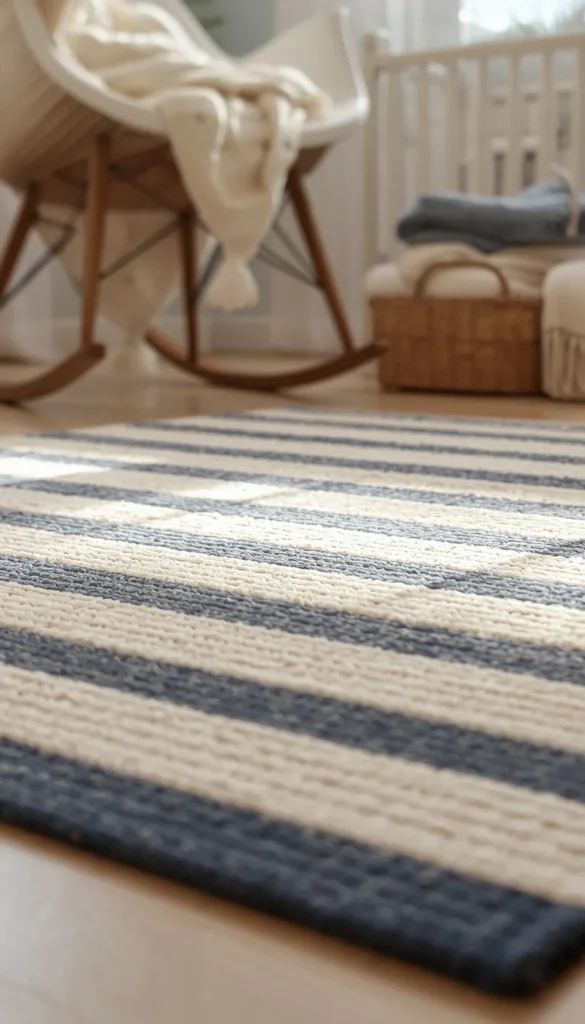
I love a beautiful ivory or bright white rug in a nursery mockup as much as anyone, but I have to be honest with you here. White rugs and babies do not mix well, especially once your little one starts crawling, spitting up, and eventually eating solid food a few feet away from it.
For a nautical look that still holds up, I steer people toward a low pile rug in navy and white stripes, or a subtle anchor motif in a darker tone that hides stains far better than anything cream colored ever will. A wool blend or a stain resistant synthetic fiber cleans up so much easier than jute, which tends to trap crumbs and is genuinely a pain to spot clean. If you’re set on a lighter color, at least choose a smaller accent rug you can toss in the wash rather than a large area rug you’re stuck with.
Which of these ideas feels the most doable for your nursery this weekend?
5. Layer in Rope and Natural Textures the Smart Way
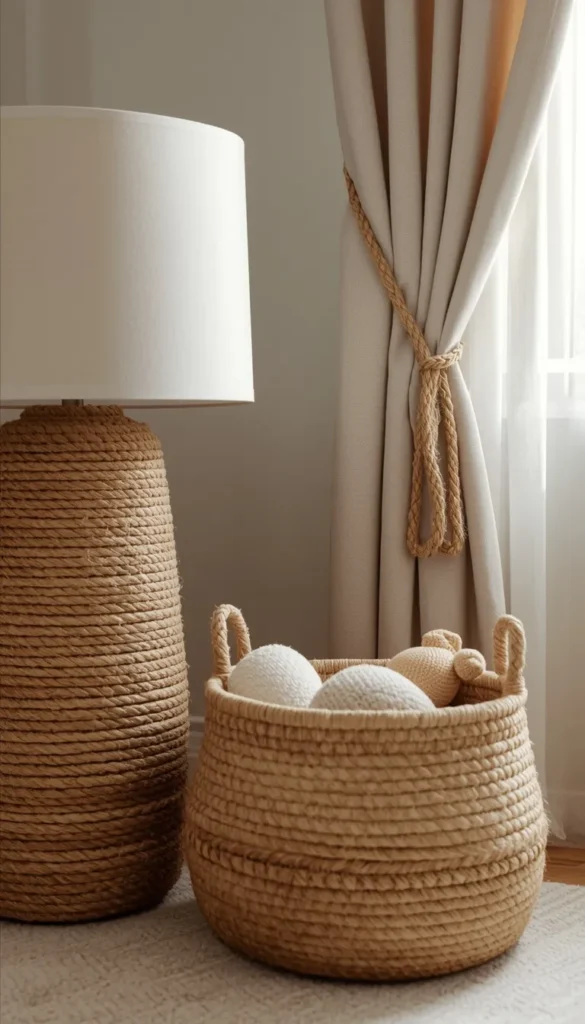
Rope is probably the most iconic nautical material there is, and a little goes a long way. I like using it on a mirror frame, wrapped around a lampshade base, or as a simple curtain tieback. It adds texture without tipping the room into costume territory.
One thing I’ve learned from actually installing this stuff is that craft store rope frays fast and can shed little fibers everywhere, which isn’t ideal in a room where Baby spends most of their time on the floor. Spring for a slightly higher quality cotton or sisal rope meant for home decor, seal any cut ends with a bit of clear tape or glue, and it holds up far better over the years. Pair it with a woven seagrass basket or two and you’ve got natural texture covered without overdoing it.
6. Hang Wall Art That Feels Elevated Not Cartoonish
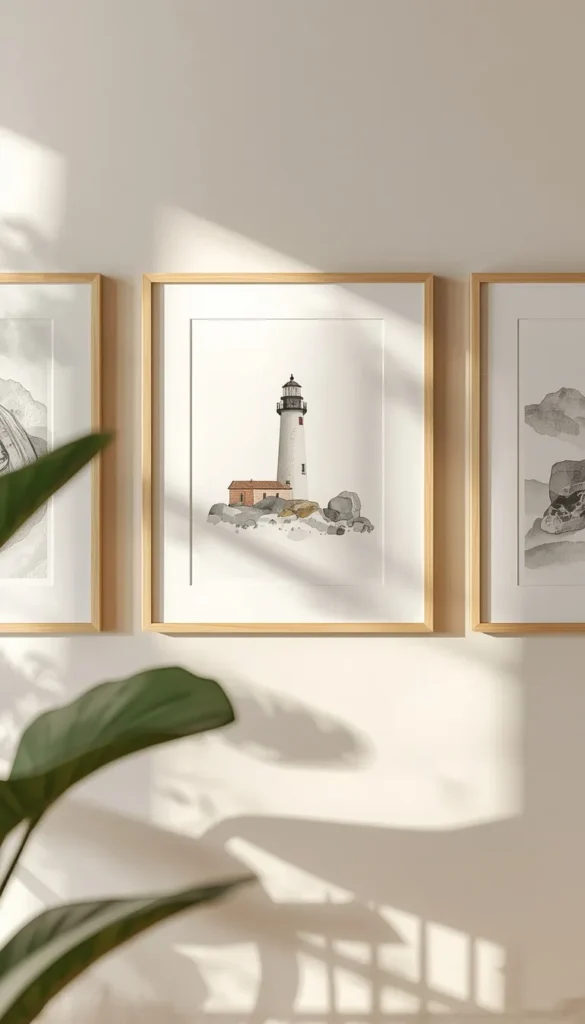
This is where a lot of nautical nurseries go sideways. Cartoonish sailboats and grinning whale illustrations can look sweet in a catalog photo, but they tend to feel babyish fast, and you’re left repainting or reframing within a year or two.
My go to move is choosing watercolor or line art prints in a muted palette, something that leans more coastal art gallery than gift shop. A vintage inspired map, a soft toned lighthouse print, or a simple line drawing of a sailboat all read as more sophisticated choices that your child won’t outgrow by their second birthday. Frame them in a consistent finish, black, white, or natural wood, and the whole wall feels intentional rather than thrown together.
Top 6 nautical nursery ideas Ideas
| Idea | Estimated Price | Maintenance |
|---|---|---|
| Coastal Color Palette (Paint) | $50 – $150 per room | Low |
| Convertible Crib | $300 – $900 | Low |
| Shiplap or Peel and Stick Wall | $100 – $600 | Low |
| Durable Nautical Rug | $150 – $500 | Medium |
| Rope and Natural Texture Accents | $30 – $120 | Medium |
| Statement Wall Art | $80 – $300 | Low |
7. Anchor Heavy Nautical Decor Safely
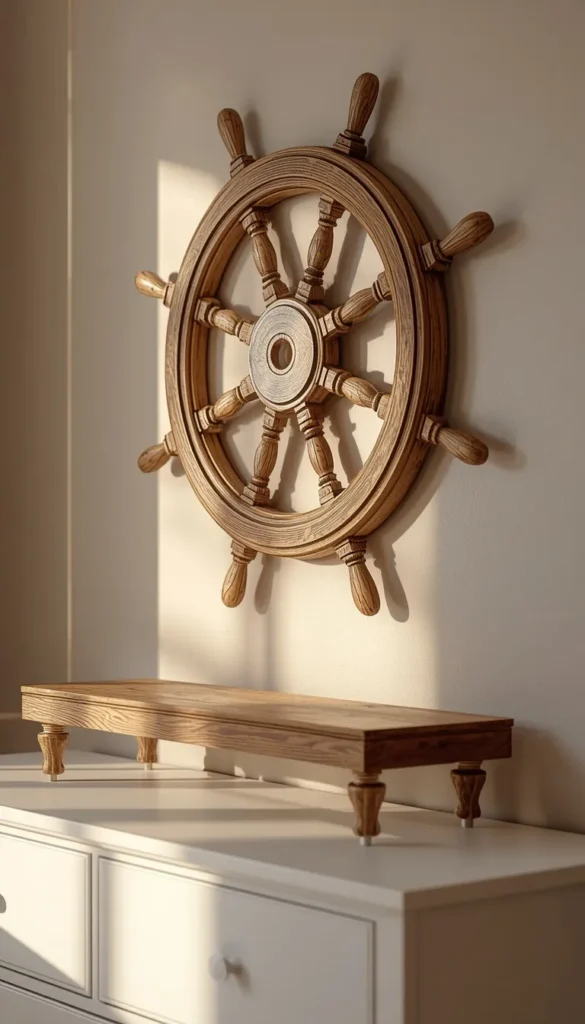
Nobody talks about this one nearly enough, and it genuinely worries me when I see it skipped. A ship’s wheel, a set of wooden oars, or a heavy statement mirror mounted above a crib or changing table needs to be secured properly, not just hung on a single nail.
- Use anchors rated for the actual weight of the piece, not just drywall hooks
- Keep anything wall mounted out of Baby’s reach once they start pulling up to stand
- Avoid small decorative items like mini anchors, shells, or buoys anywhere near the crib or on low shelves
I always tell parents that a beautiful nursery and a safe nursery are the same goal, not two competing ones. It just takes a little extra thought at the hardware store.
8. Style It Gender Neutral So It Grows With Baby
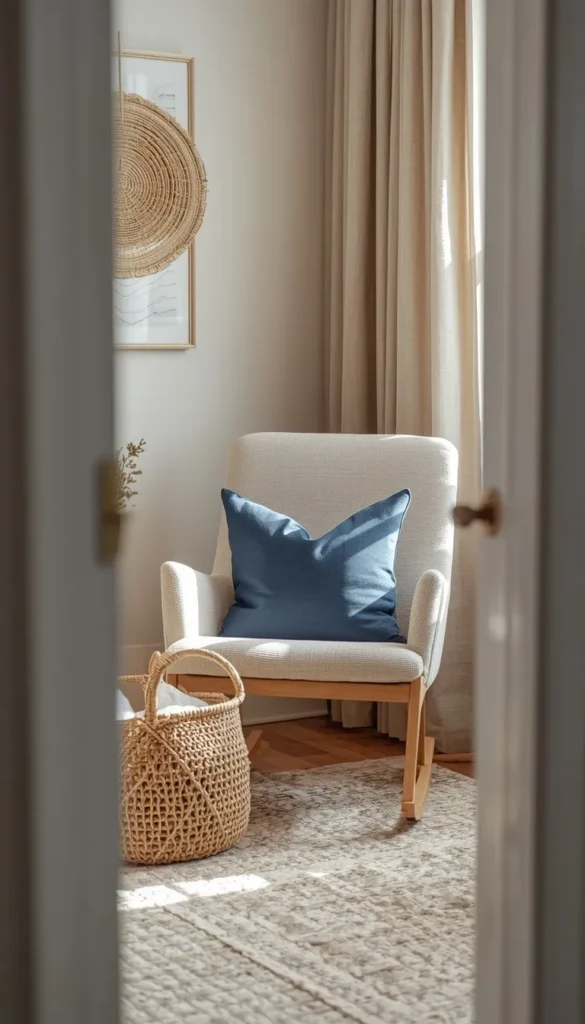
A nautical theme is naturally one of the easiest to keep gender neutral, which I think is part of why it’s stayed popular for so long. Navy, white, sandy beige, and sage all work beautifully regardless of whether you’re expecting a boy, a girl, or you’re waiting to be surprised.
Save any gender specific touches, like a blush pink accent or a deeper masculine navy, for the easily swappable pieces. Throw pillows, a crib sheet, or a single piece of art can carry that personality without you needing to repaint a wall or replace the furniture later. It’s a small planning step now that saves a full redo down the road.
Are you leaning more toward the classic navy and white look, or something softer like sage and sand?
9. Add Lighting That Sets a Calm Coastal Mood
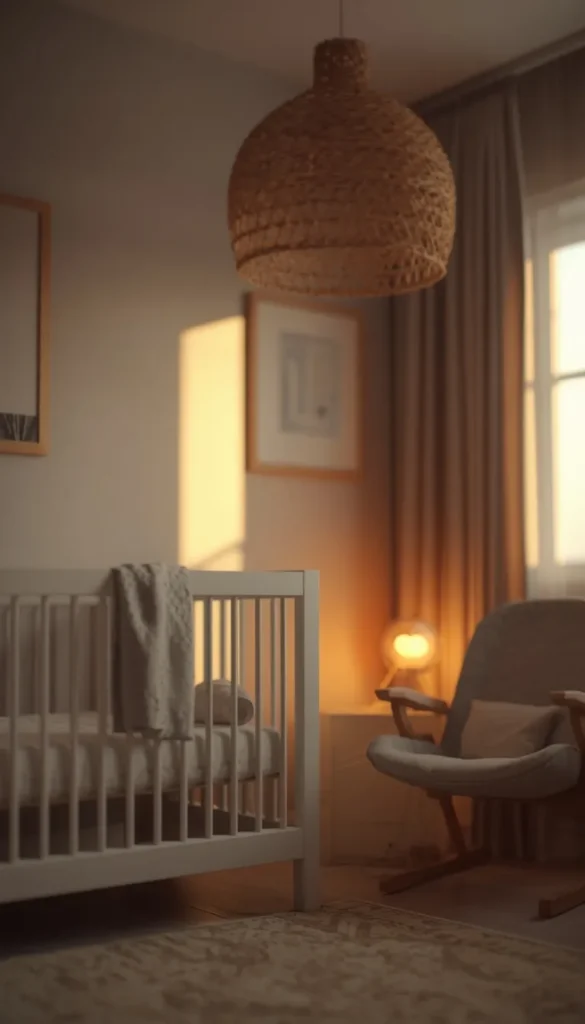
Lighting gets overlooked constantly, and it’s honestly one of the easiest ways to make a nautical nursery feel finished. A single overhead fixture rarely does the job on its own, especially during those late night feeds when you don’t want a harsh light blasting on at 3am.
I usually layer three sources into these rooms: a statement pendant or flush mount up top, a soft table lamp near the feeding chair, and a plug in nightlight near the changing table. A woven rattan or rope wrapped pendant fits the theme beautifully and casts a warm, gentle glow rather than a stark white one. If you can, put the lamp near the chair on a dimmer or choose a bulb with a warm color temperature. It makes those middle of the night moments so much easier on everyone’s eyes.
10. Avoid the Five Mistakes I See Most Often
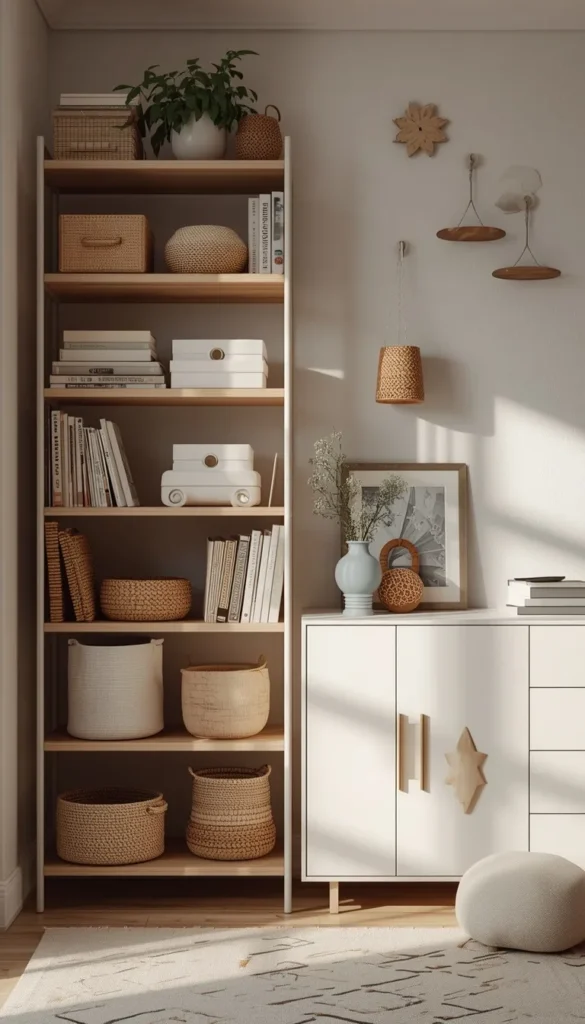
After years of doing this, the same handful of mistakes show up again and again, so let me save you the trouble.
- Going too matchy, where every single item has an anchor or a sailboat on it, which reads as costume rather than decor
- Choosing delicate light colored textiles without a stain plan in place, then being frustrated three weeks in
- Skipping proper anchoring on heavy wall decor, which is a real safety issue and not just an aesthetic one
- Overcrowding the room with too many small nautical trinkets instead of a few well chosen statement pieces
- Forgetting to think past year one, so the room feels babyish and needs a full redo sooner than expected
If you take nothing else from this list, let it be this. Restraint is what separates a nursery that looks professionally styled from one that looks like a theme park gift shop threw up in the corner.
11. Make It Look Expensive Without Overspending
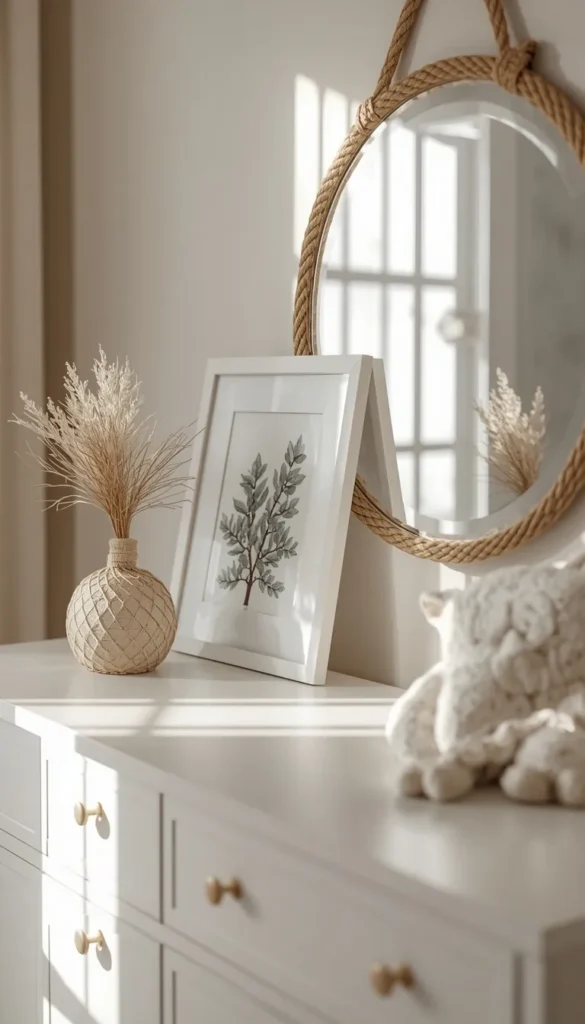
You genuinely do not need a five figure budget to pull off a nautical nursery that looks like it came out of a design magazine. Some of my favorite rooms have come from clients with a tight $1,500 to $2,000 budget who just spent it in the right places.
Splurge on the crib and the rug, since those two items anchor the whole room and get the most daily use. Save on wall art by framing affordable prints in a matching, higher end looking frame, and consider DIY for the rope accents rather than buying them premade. A fresh coat of paint and a few well chosen textiles do more for the finished look than a cart full of small decorative pieces ever will. The secret, if there is one, is spending intentionally rather than spending a lot.
Your Quick Styling Guide
By Budget
- Budget Friendly: Painted palette, peel and stick shiplap panel, DIY rope accents, affordable stain resistant rug
- Investment Level: Real shiplap install, three in one convertible crib, wool blend area rug, custom framed coastal art
By Lifestyle
- Busy New Parents: Low maintenance picks only, painted walls, stain resistant rug, dimmable lamp by the feeding chair
- Detail Oriented Parents: Layered textures, statement pendant light, curated gallery wall
- Small Nurseries: One wallpapered panel instead of a full wall, smaller accent rug, vertical shelving over floor storage
- Coastal Home Owners: Real driftwood, sea glass tones, and any heirloom nautical pieces you already have on hand
Frequently Asked Questions
How much does it cost to decorate a nautical nursery?
Most homeowners spend between $800 and $2,500 for a full room, depending on whether you DIY the accents or go custom on furniture. The crib and rug usually eat up the biggest chunk of that budget.
What colors work best for a nautical nursery besides navy and white?
Sandy beige, sage green, and soft coral all pair beautifully with a coastal theme. I like using these as accent tones so the room doesn’t feel like a costume.
Is a nautical theme too babyish for a nursery?
Not if you choose the right pieces. Skip cartoonish sailboats and lean into watercolor art, natural textures, and a muted palette instead.
Can I do a nautical nursery in a small room or apartment?
Yes, easily. Focus on one wallpapered panel instead of a full accent wall, and pick a smaller rug so the space doesn’t feel cramped.
What’s the easiest way to make a nautical nursery gender neutral?
Stick to navy, white, and sandy tones for your big furniture and walls. Save any gendered color, like blush or deep navy, for pillows or a crib sheet you can swap later.
Conclusion
Your baby’s nursery doesn’t need to be perfect on day one, it just needs to feel like you. Even one small change, a fresh coat of paint, a rope mirror you made yourself, a rug that can actually survive real life, starts to turn that room into somewhere you’ll genuinely love spending those early morning feeds. Pick one thing from this list and do it this weekend. Don’t wait for the “right time” to get started, because that room is going to hold some of the best memories of your year.
