
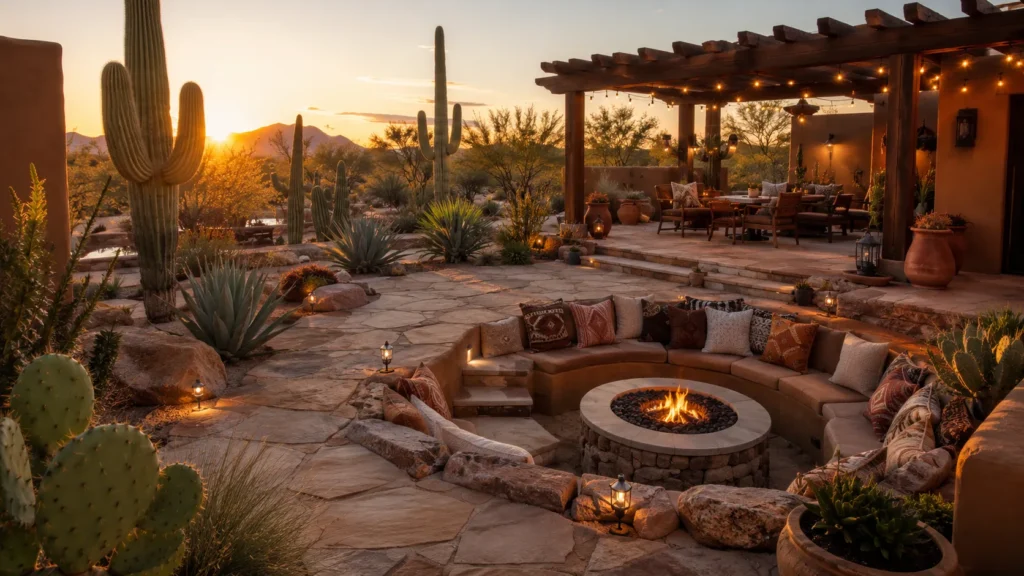
Your backyard doesn’t have to fight the desert to be beautiful. I’ve walked into more Arizona yards than I can count where the owner apologized for the gravel and the cactus, as if desert living were something to work around instead of the whole point. It’s not. The best Arizona backyards lean into the heat, the light, and the wide open sky instead of pretending they’re in Ohio. Let’s get into the 13 ideas that actually hold up here, from real budgets to real maintenance, not just pretty photos.
My Design Notes
I worked on a backyard redo for a client in Scottsdale a couple years back, and it taught me more about desert landscaping than any book could. They wanted the lawn gone completely, replaced with a full desert modern look, and we drew up a plan with bright white marble chip gravel and a row of saguaros right along the front walkway. The HOA rejected it. Twice, actually, before we got it right.
Turned out the community had rules on gravel tone (nothing too bright or reflective) and plant height near sidewalks for sightline reasons. We swapped the marble chip for a warmer buff toned decomposed granite and kept the saguaros set back a few feet with lower agave along the path instead. Honestly, the compromise looked better than our original plan. My client also signed up for the local water utility’s turf removal rebate, which knocked a real chunk off the install cost and cut their summer water bill by close to a third.
If there’s one thing I tell every client now, it’s this: check your HOA guidelines and your city’s rebate programs before you fall in love with a design.
13 Stunning Strategies for Designing Your Arizona Desert Oasis
1 Xeriscape Foundation Planting
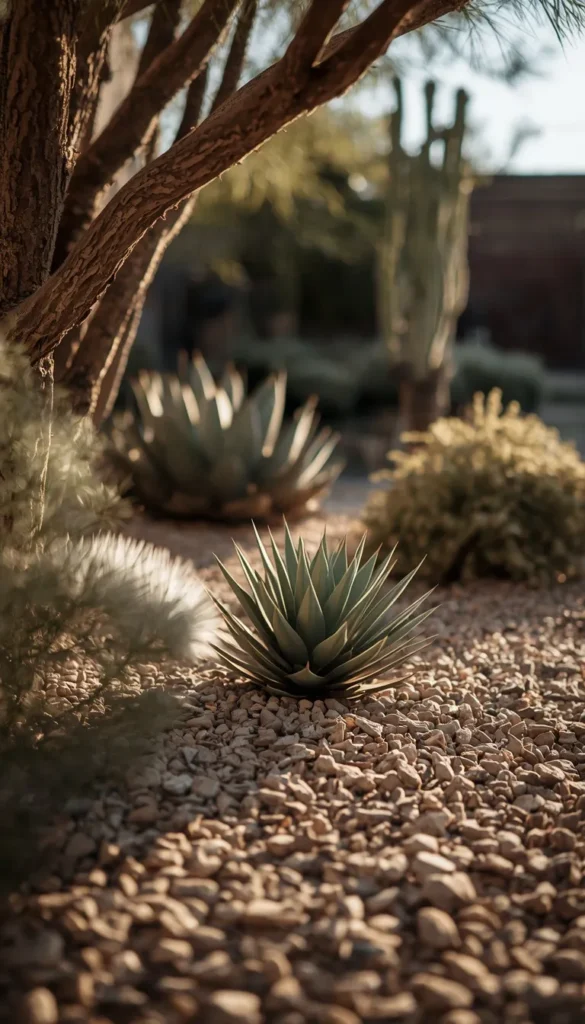
The biggest mistake I see homeowners make is planting like they still live somewhere green. Xeriscaping isn’t about giving up on a lush look, it’s about choosing plants that actually want to be here. Palo verde, brittlebush, agave, and globe mallow form a solid backbone because they hold their shape and color without babying. Group plants by water need so you’re not running one drip line for six different thirst levels. A quick trick I’ve learned is to plant in odd numbered clusters of three or five, it reads more natural than lining things up in neat rows.
2 Decomposed Granite Versus Flagstone Versus Pavers
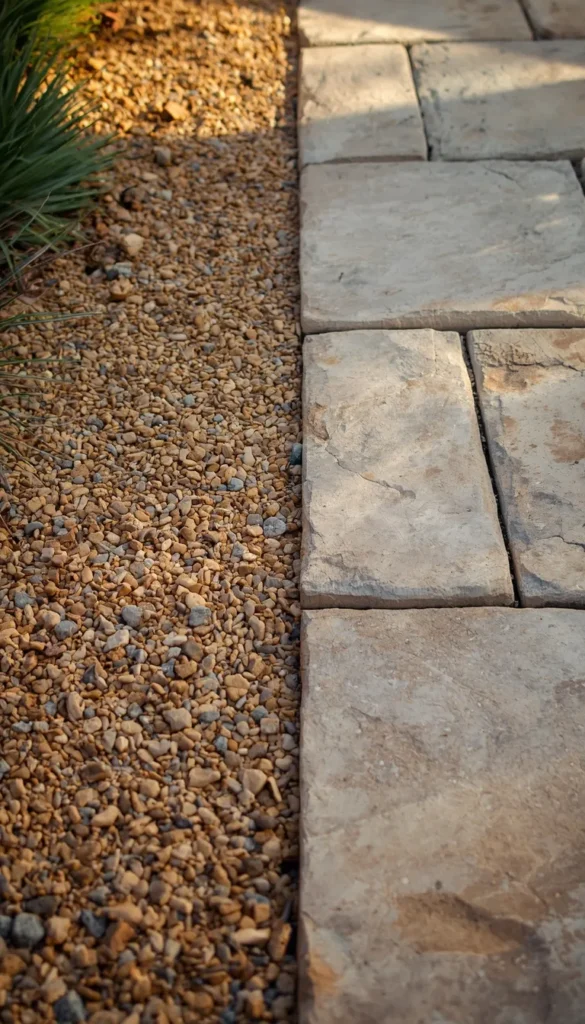
This is the question nearly every client asks me first, and the honest answer is it depends on your budget and how much walking traffic the area gets. Decomposed granite, or DG, runs cheap to install and lets rain soak through instead of pooling, but it needs a top off every year or two as it compacts and thins out. Flagstone costs more upfront, sometimes triple the price of DG, but it basically lasts forever with almost no maintenance beyond the occasional weed in the joints. Pavers split the difference. They’re pricier than DG but more forgiving on your wallet than natural stone, and they hold up well under patio furniture.
One thing to watch out for is color. Light colored DG and pale pavers throw a shocking amount of glare by early afternoon, so if you’re out there barefoot or hosting kids, go a shade or two darker than you think you want.
3 Shade Sails Pergola Or Ramada
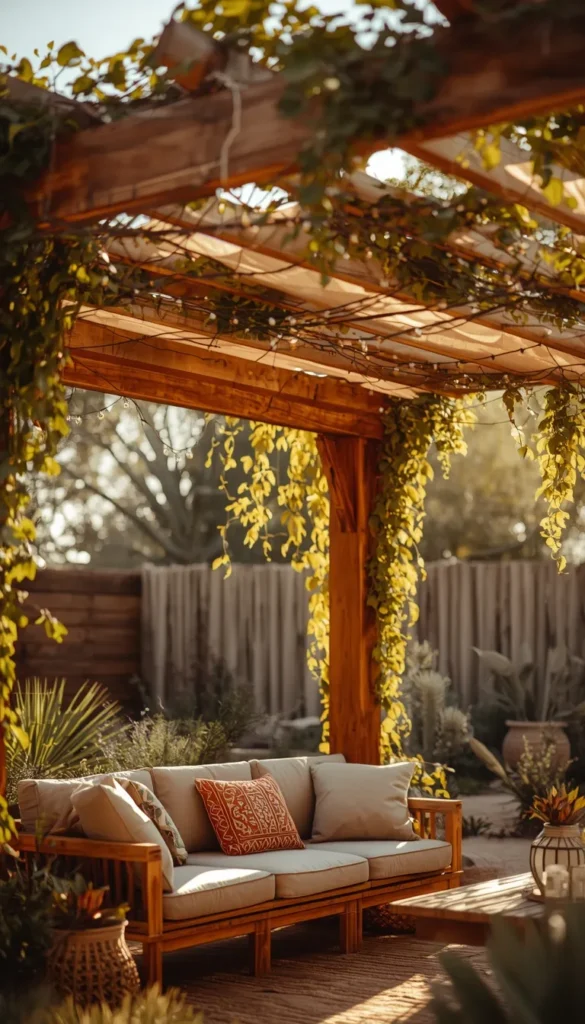
Picking a shade structure comes down to how permanent you want to get and what you’re protecting. Shade sails are the budget option and go up fast, but they’re fabric, so expect to replace them every five to eight years depending on sun exposure. A wood pergola gives you more structure and a place to run string lights or climbing vines, and with cedar or treated pine it’ll outlast a sail by a decade easy. A ramada, which is basically a freestanding solid roof, blocks the most heat and rain but costs the most and usually needs a permit depending on your city.
If your budget is tight, start with a shade sail over the spot you use most, then upgrade to something permanent once you know exactly how you use the space.
4 Dry Riverbed For Stormwater Control
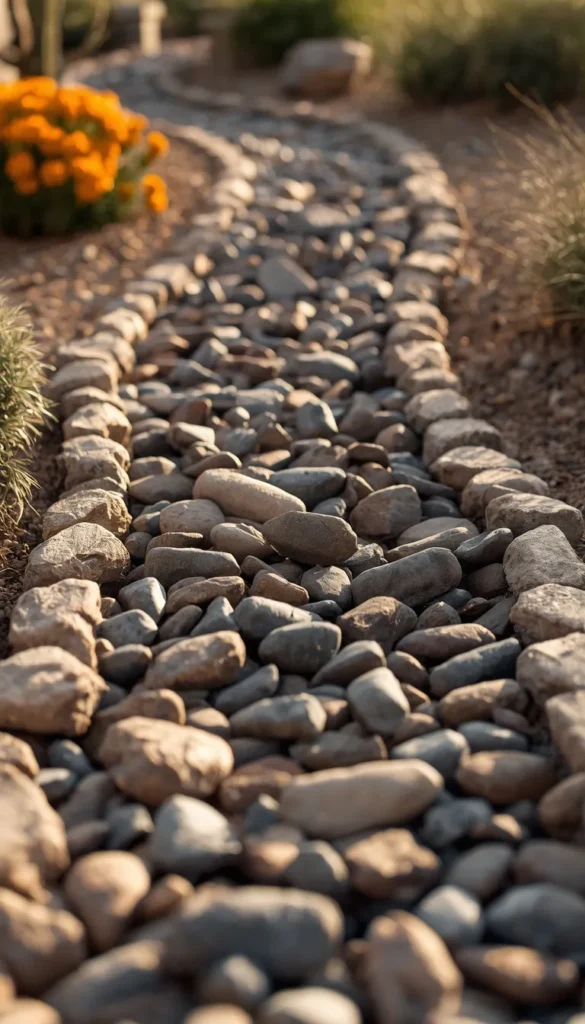
Nobody thinks about drainage until the first real monsoon hits and water is pooling against the foundation. A dry riverbed solves this by giving stormwater somewhere to go, and it looks intentional instead of like an afterthought. Dig a shallow winding channel, line it with a mix of cobble sizes so it doesn’t look uniform, and bury a perforated pipe underneath if your yard tends to hold water. Plant the banks with desert marigold or fairy duster so there’s color even when the channel is bone dry most of the year.
- Mix stone sizes, not just one uniform gravel
- Slope the channel away from the house, even a slight grade helps
- Add a few larger boulders as anchor points so it doesn’t look like a straight ditch
What’s the one spot in your backyard you’d fix first if money weren’t an issue?
5 Outdoor Kitchen Arizona Proofed
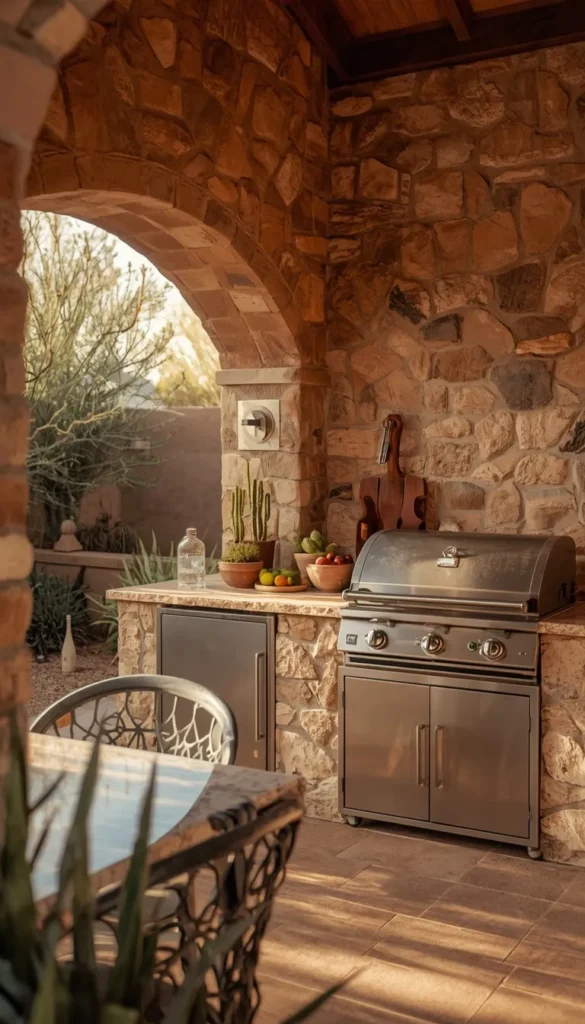
An outdoor kitchen here has to survive brutal summers, not just look good in photos. Skip anything with exposed particleboard or cheap laminate, it’ll warp and peel within a season. Stainless steel, stone, and stucco hold up the best against UV and heat swings. I always tell clients to think hard about appliance placement too, a mini fridge sitting in direct afternoon sun works twice as hard and burns out faster than one tucked under shade.
A Saltillo or talavera tile counter brings in real Southwest character without the upkeep of butcher block, which just doesn’t survive out here. Keep the grill area covered if you can, even a simple shade sail overhead makes a huge difference in how long the finishes last.
6 Sunken Or Built In Fire Pit
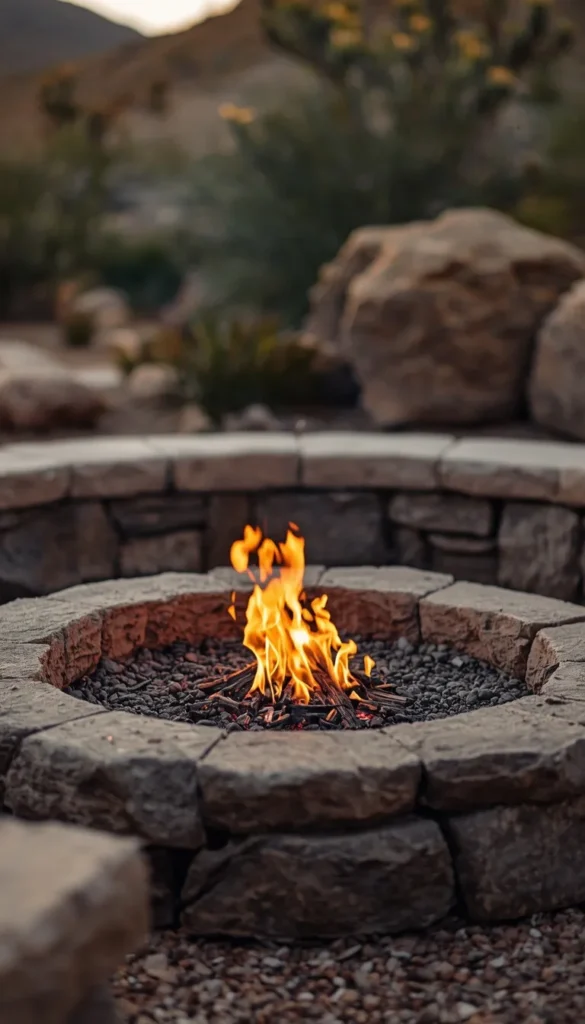
Fire pits are one of those features that get used way more than people expect, especially once temperatures drop in the evenings from October through March. A sunken pit, dug about a foot below grade and ringed with volcanic rock or pavers, creates a natural windbreak and keeps flames from blowing around. Gas burners are the lower maintenance choice since there’s no ash cleanup and no smoke smell drifting into the house, though wood burning fans will say nothing beats the real crackle.
One thing worth checking before you build is your city’s permit rules. Several Arizona municipalities require a permit for gas line work and set minimum clearance distances from structures, fences, and overhangs, so it’s worth a quick call before you start digging.
Top 6 arizona backyard ideas for your desert oasis
| Idea | Estimated Price | Maintenance |
|---|---|---|
| Xeriscape Foundation Planting | $1,000 – $3,000 | Low |
| Decomposed Granite | $1 – $3/sq. ft. | Medium |
| Shade Sail | $300 – $800 | Medium |
| Dry Riverbed | $500 – $2,000 | Low |
| Sunken Fire Pit | $800 – $2,500 | Low |
| Outdoor Kitchen | $6,000 – $15,000+ | High |
7 Cactus And Succulent Bed With A Safety Note
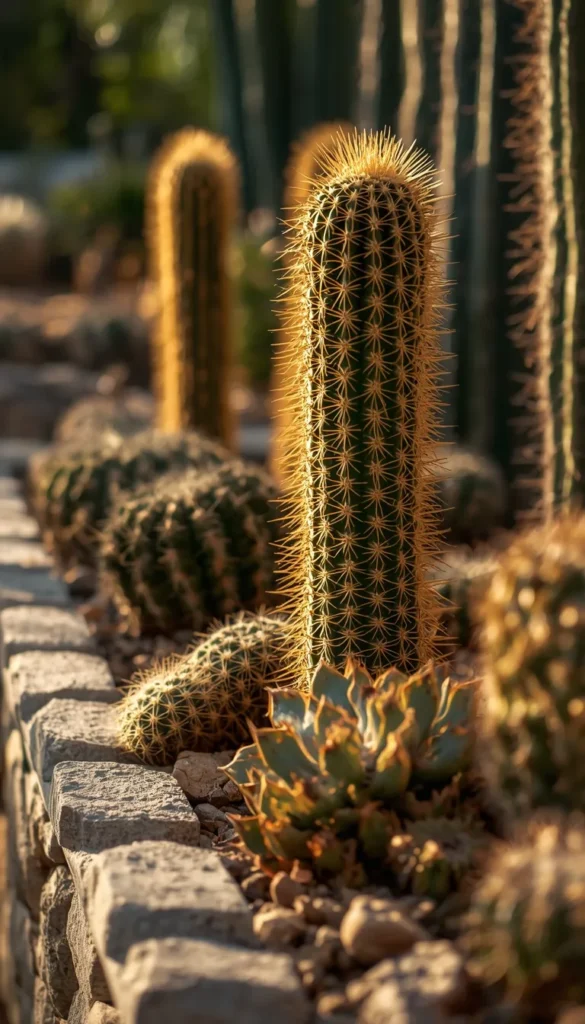
A raised cactus bed is one of the most striking things you can add to a desert yard, and it’s genuinely low effort once it’s established. Totem pole cactus, golden barrel, and ocotillo all bring dramatic shape without asking for much water. Keep the bed raised twelve to eighteen inches with block or gabion baskets, both to show off the silhouettes and to keep spines a bit further from ankle height.
- Keep cactus beds away from high traffic paths, especially near play areas
- Choose spineless varieties like some opuntia cultivars if you have young kids or dogs
- Rake mulch or gravel regularly since dropped cactus pads can root and spread if left alone
8 Small Space Or Patio Desert Oasis
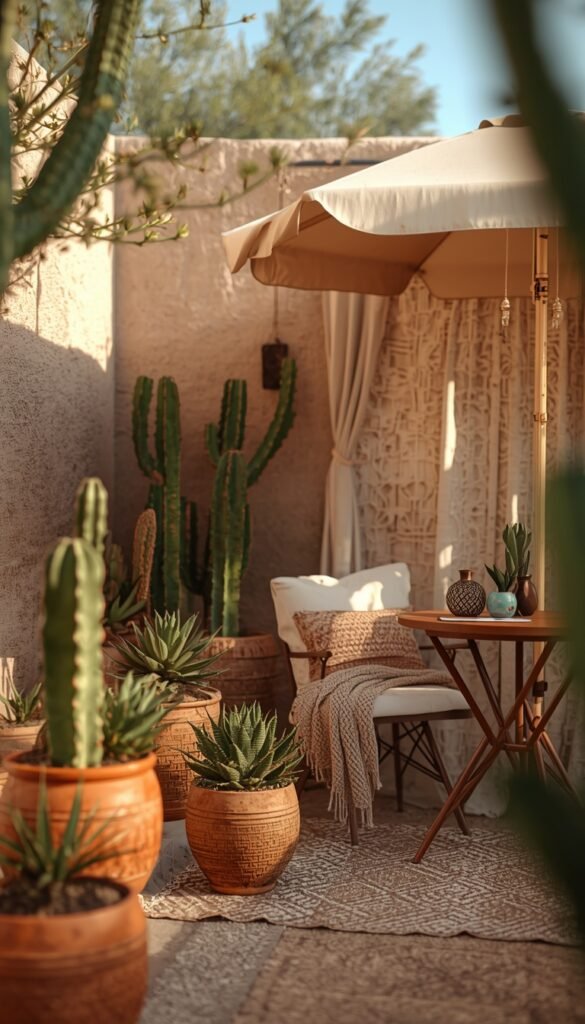
Most of the inspiration out there assumes you’ve got a huge lot, but plenty of Arizona homes sit on a modest patio or a narrow side yard. The good news is desert style actually scales down beautifully. A cluster of large terra cotta pots with agave and trailing succulents can do the same visual work as a full planted bed, just in a fraction of the footprint. Vertical planters on a wall free up floor space entirely, which matters a lot when your whole outdoor area is two hundred square feet or less.
For seating, a small bistro table with two chairs and a single well placed shade umbrella covers most of what a small patio needs. Don’t try to cram in a fire pit, a kitchen, and a water feature just because you saw it done in a bigger yard, pick the one or two things you’ll actually use most.
Are you more of a fire pit person or a water feature person, be honest?
9 Water Feature That Doesn’t Waste Water
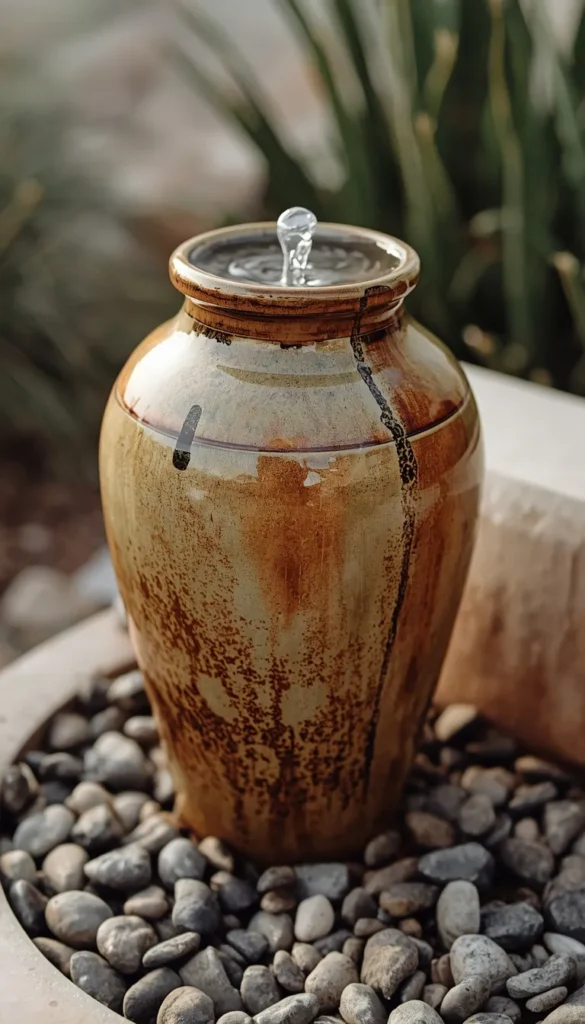
I get pushback on this one a lot, people assume any water feature in the desert is wasteful, but a small recirculating fountain barely uses more water than a few houseplants. The trick is surface area. A tall, narrow glazed urn or a stacked basalt column loses far less to evaporation than a wide shallow basin, since there’s less surface exposed to the sun and wind. Position it somewhere it’ll catch afternoon shade if possible, that alone can cut evaporation loss noticeably over a summer.
A quick trick I’ve learned is topping off the reservoir once a week rather than constantly, it forces you to actually notice if something’s leaking instead of just running the hose blindly.
10 Artificial Turf Done Right
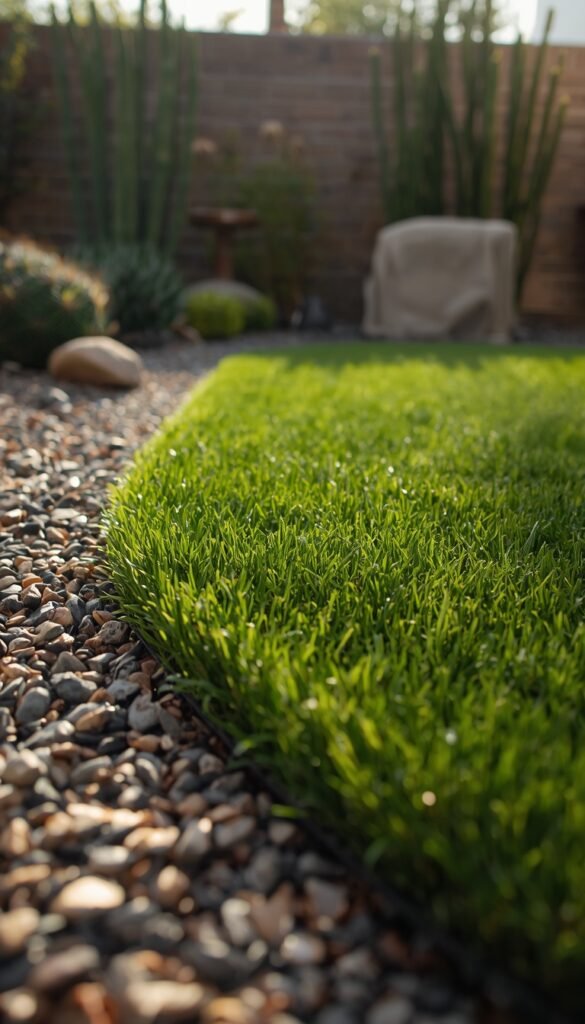
Synthetic lawn gets a bad reputation out here, mostly because people install the wrong kind. Standard turf made for cooler climates can get hot enough to burn bare feet by mid morning in July. Look specifically for heat reflective fiber technology and a silica based infill, both cut surface temperature significantly compared to older turf products.
- Rinse weekly if you have pets, ammonia buildup from urine will start to smell fast in the heat
- Brush the fibers upright every couple weeks so it doesn’t mat down and look flat
- Leave a border of gravel or planting beds around the edges so it doesn’t read as an obvious green rectangle dropped into a brown yard
11 Budget Desert Backyard Makeover
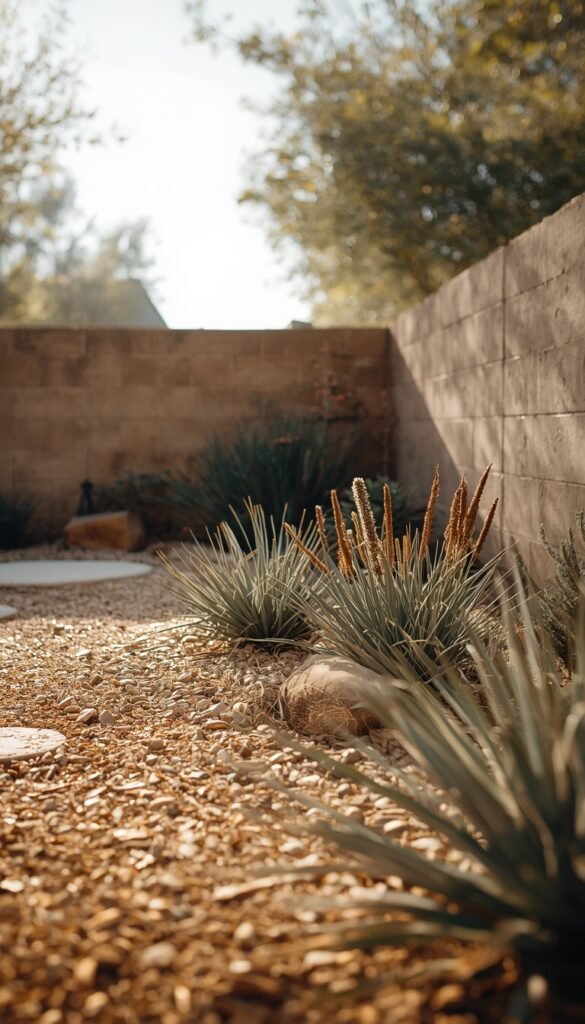
You don’t need to do everything at once, and honestly I’d argue you shouldn’t. Phasing a backyard project over a year or two spreads out the cost and lets you live in the space before committing to expensive permanent features. Start with the cheapest, highest impact items first, that’s usually DG groundcover, a few structural plants, and basic lighting. Save the pricier stuff, pergolas, outdoor kitchens, pools, for phase two once you know how you actually use the yard.
Rough numbers help set expectations. DG groundcover for an average sized yard often lands somewhere between fifteen hundred and four thousand dollars installed, while a modest outdoor kitchen build easily runs into five figures. Knowing that gap upfront keeps you from blowing the whole budget on one feature in month one.
12 HOA Friendly Desert Landscaping
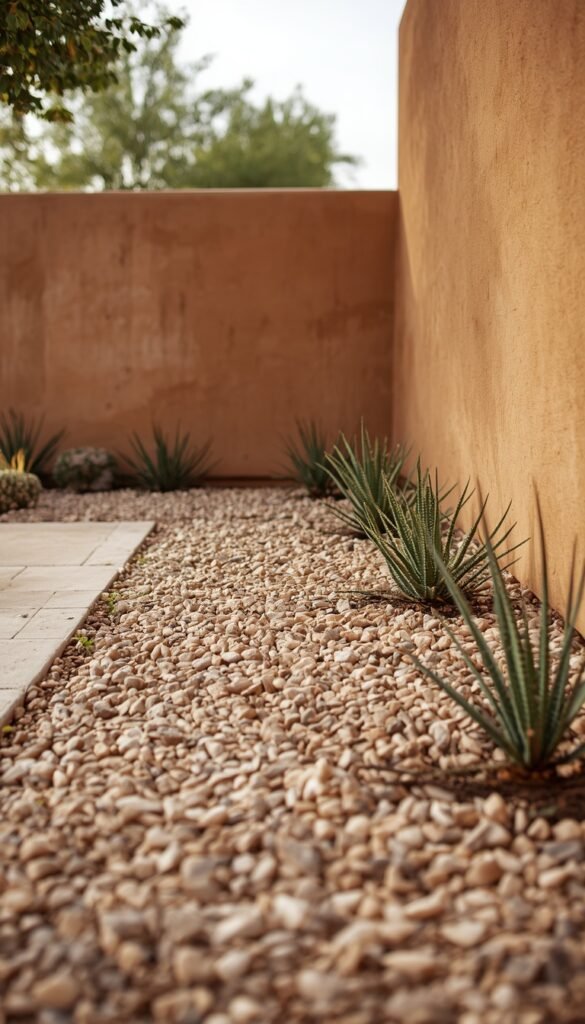
If you live in a planned community, and a huge share of Arizona homeowners do, your dream design has to clear architectural review before a shovel goes in the ground. Most HOAs restrict gravel color to muted, non reflective tones, so that bright white marble chip you saw on Pinterest might get flagged. Plant height near sidewalks and property lines is another common rule, since sightlines for cars and pedestrians matter more than most people expect.
My advice is always the same, pull your HOA’s landscape guidelines before you finalize a plan, not after. Resubmitting a rejected design costs you weeks, sometimes a full season if you’re on a committee that only meets monthly.
What’s the one spot in your backyard you’d fix first if money weren’t an issue?
13 Seasonal Maintenance Reality Check
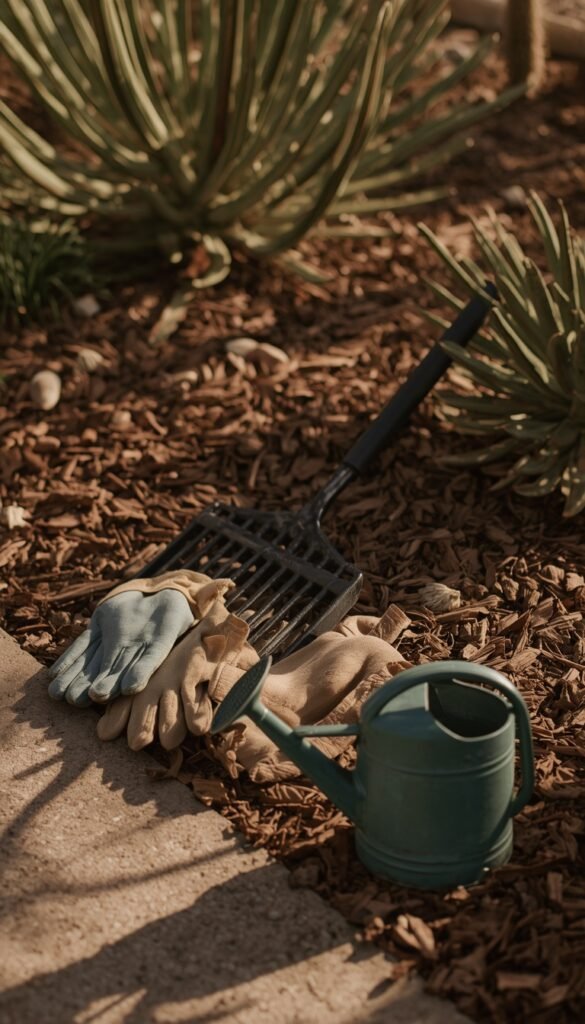
Every guide out there calls desert landscaping low maintenance, and it is, compared to a lawn. But low maintenance doesn’t mean zero maintenance, and I’d rather set that expectation now than have a client feel blindsided in August. Spring is your window for planting, pruning, and topping off gravel before the real heat arrives. Summer is mostly about water monitoring, checking drip lines for clogs and making sure new plantings aren’t stressing under triple digit heat.
Fall is when you’ll want to reseed any wildflower areas and do a deeper cleanup before winter dormancy sets in. Winter is the quiet season, light pruning and enjoying the cooler evenings around that fire pit you built back in point six.
- Spring: plant, prune, refresh gravel and mulch
- Summer: check irrigation weekly, watch for heat stress
- Fall: reseed wildflowers, general cleanup before dormancy
Here’s the decision guide section, ready to slot in wherever fits best in the article (typically works well right before the conclusion or right after the summary table):
Which Desert Backyard Path Fits You?
By Budget
Starter Oasis
- Xeriscape planting plus DG groundcover
- One shade sail over your main seating spot
- Solar path lights, skip the hardwired system for now
Investment Yard
- Flagstone patio instead of DG
- Built in outdoor kitchen with stone counters
- Sunken fire pit with a gas line run
By Lifestyle
Small Space Living
- Potted agave and vertical planters over ground beds
- Bistro table and umbrella instead of a full dining set
- Skip the pool, add a narrow recirculating fountain instead
Family and Entertaining Focused
- Artificial turf zone for kids and pets
- Fire pit with built in seating for groups
- Outdoor kitchen sized for real cooking, not just drinks
Frequently Asked Questions
How much does it cost to landscape a desert backyard in Arizona
The average full backyard landscape runs somewhere between four thousand and twenty thousand dollars, depending on size and features. A basic xeriscape refresh on a small lot can come in under three thousand. Pools and outdoor kitchens are what push the number up fast.
What is the cheapest way to landscape an Arizona backyard
Decomposed granite and native plants win here, hands down. Skip sod completely and lean on gravel, a few structural plants, and DIY planting to keep labor costs low.
Do I need a permit for a fire pit in Arizona
Yes, if it’s gas connected or built in. Most Arizona cities require a permit for gas line work and set minimum distance rules from your house and fence line. A portable wood burning pit usually doesn’t need one, but check your city’s fire code first.
What plants survive best in an Arizona backyard
Palo verde, agave, brittlebush, and globe mallow are the reliable ones. They handle full sun and skipped watering better than almost anything else you’ll find at a nursery. Native plants also attract pollinators, which most non native options don’t.
Is artificial turf a good option for Arizona backyards
Yes, as long as it’s heat reflective turf, not the standard kind. Regular turf can get hot enough to burn bare feet by late morning in summer. Look for silica infill and rinse it regularly if you have pets.
Conclusion
Your backyard is where you’ll actually live, not just the thing you look at through a window. You don’t need to tackle all thirteen of these at once, and honestly, you shouldn’t. Pick the one idea that’s been sitting in the back of your mind since point one, whether that’s swapping out the gravel or finally putting in that fire pit, and start there this weekend. Which one’s calling your name?
