
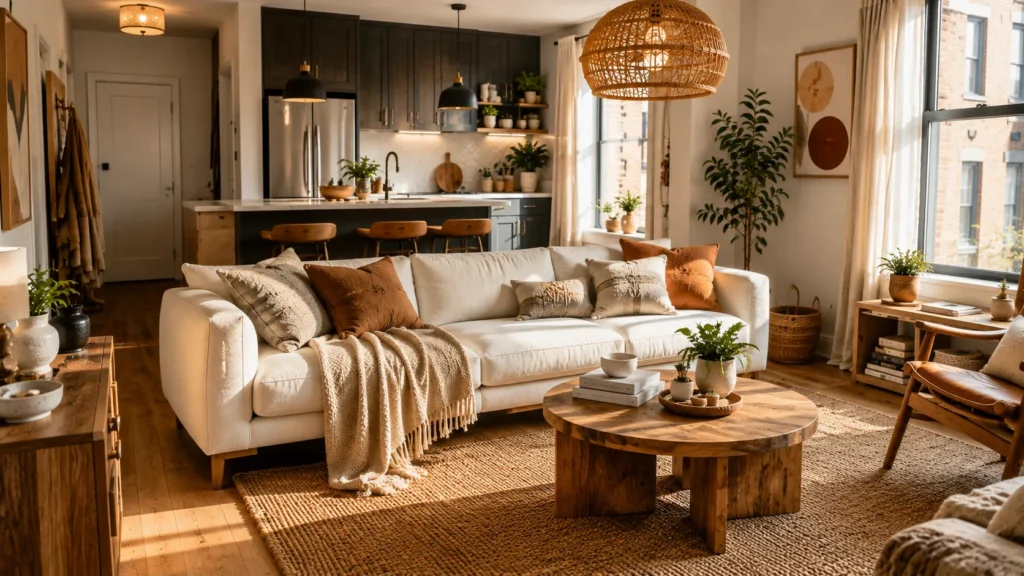
Most small apartments don’t have a square footage problem. They have a planning problem. I’ve walked into 400 square foot rentals that feel bigger than some suburban living rooms, and I’ve seen 900 square foot apartments that feel like a storage unit with a bed in it. The difference is never the size of the check you write for furniture. It’s the handful of decisions you make before you buy anything at all. That’s what we’re covering here, room by room, budget included.
My Design Notes
When I was working on a studio apartment for a client in Chicago, she came to me with a Pinterest board full of white bouclé sofas and jute rugs. I loved the direction, but she also had a cat, and I’ve learned the hard way that light colored fabric and shedding pets do not mix well long term. We compromised on a performance fabric sofa in a similar warm tone, and I layered a washable cotton rug over the jute one near her cat’s favorite window spot. Her total budget was around $2,500 for the whole apartment, and honestly, that swap saved her more stress than money. I still think about that project whenever someone tells me they want an all white small space with a pet in the picture.
15 Elevated Strategies for Stunning Small Apartment Design
1. Start With a Floor Plan Before You Buy Anything
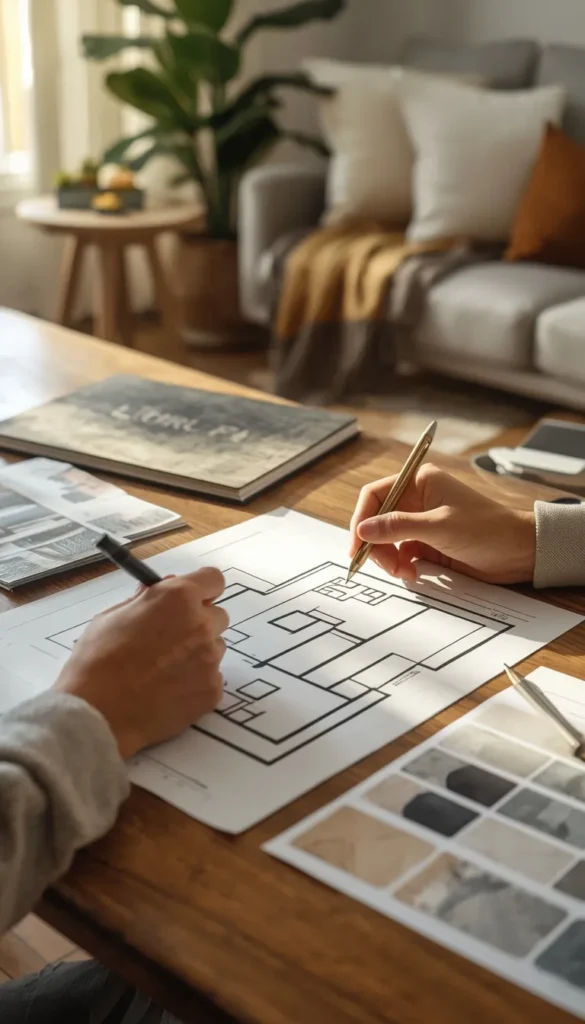
I can always tell when someone furnished their apartment before they measured it. There’s a couch that’s two inches too deep for the walkway, or a rug that makes the room feel chopped in half instead of whole. My advice, every single time, is to grab a tape measure and sketch your room before you fall in love with anything online. Note where the outlets are, where the light comes in, and where the radiator or vent lives, because that will quietly dictate half your layout whether you plan for it or not.
Once you have real dimensions, you can test furniture placement with painter’s tape on the floor. It sounds a little silly, but it saves you from the classic mistake of buying a sectional that technically fits but leaves you climbing over an armrest every time you want to reach the kitchen.
2. Float Your Furniture Instead of Pushing It to the Walls
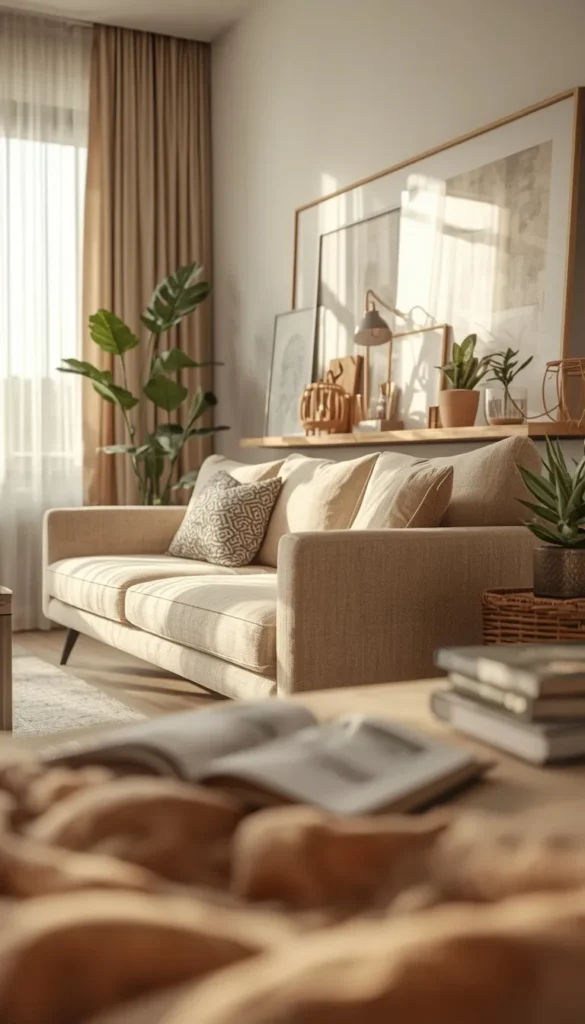
This one surprises people every time I bring it up. The instinct in a small room is to shove every piece against a wall to “save space,” but that usually backfires and makes the room feel like a waiting area. Pulling your sofa even a foot away from the wall, and adding a slim console or a couple of plants behind it, creates a sense of depth that tricks the eye into reading the room as larger.
I’ve done this in apartments as small as 350 square feet with a one seat loveseat and it works almost every time.
3. Choose One Statement Piece and Keep the Rest Quiet
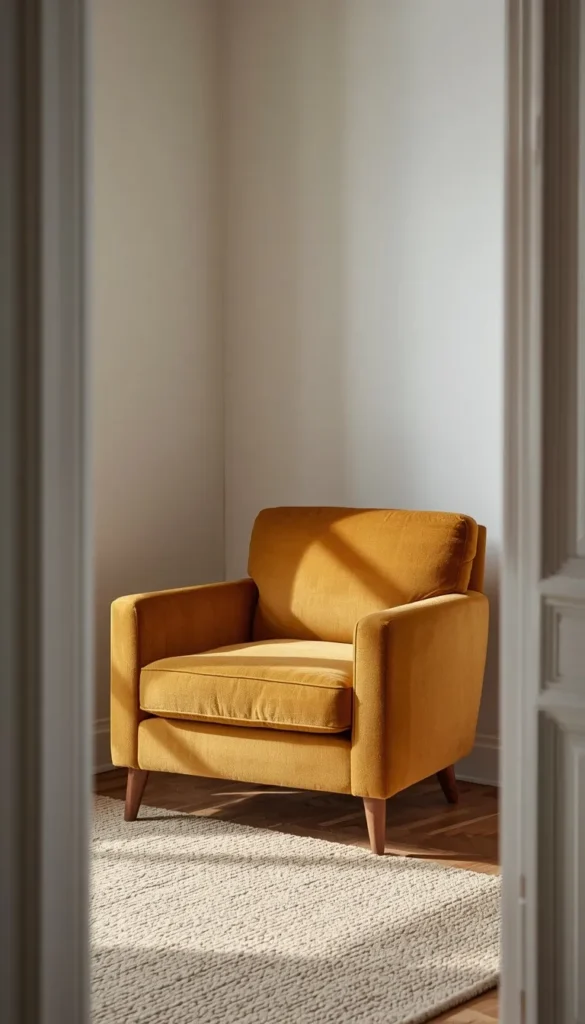
A small space can only handle so much visual noise before it starts to feel cluttered instead of curated. My rule of thumb with clients is to pick one piece, whether that’s a bold sofa color, a sculptural chair, or a piece of oversized art, and let everything else in the room support it quietly.
A few ways this plays out in real apartments:
- A mustard velvet armchair paired with neutral walls and simple linen curtains
- One large abstract painting instead of a gallery wall of five smaller frames
- A patterned rug as the only patterned textile in the whole room
The point isn’t to be boring everywhere else. It’s that one strong choice reads as intentional, while five competing ones reads as indecisive.
4. Layer Your Lighting Like You Mean It
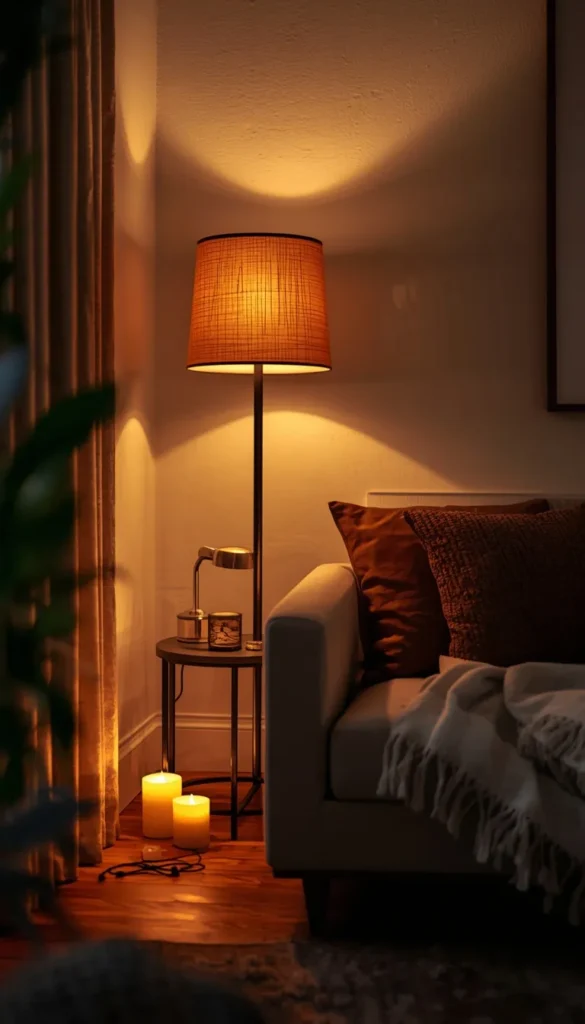
Overhead lighting alone is the fastest way to make a small apartment feel like a hotel conference room. What actually makes a space feel warm and finished is layering three types of light: an overhead or ambient source, a task light like a reading lamp or under cabinet strip, and an accent light such as a candle or a small uplight behind a plant. A quick trick I’ve learned is to put at least one lamp on a dimmer or a smart bulb, since it lets you shift the mood from working during the day to relaxing at night without buying new fixtures. Most people own enough lamps already. They just never turn more than one of them on at the same time.
Which room in your apartment stresses you out the most when guests come over?
5. Loft or Platform Beds Aren’t for Everyone
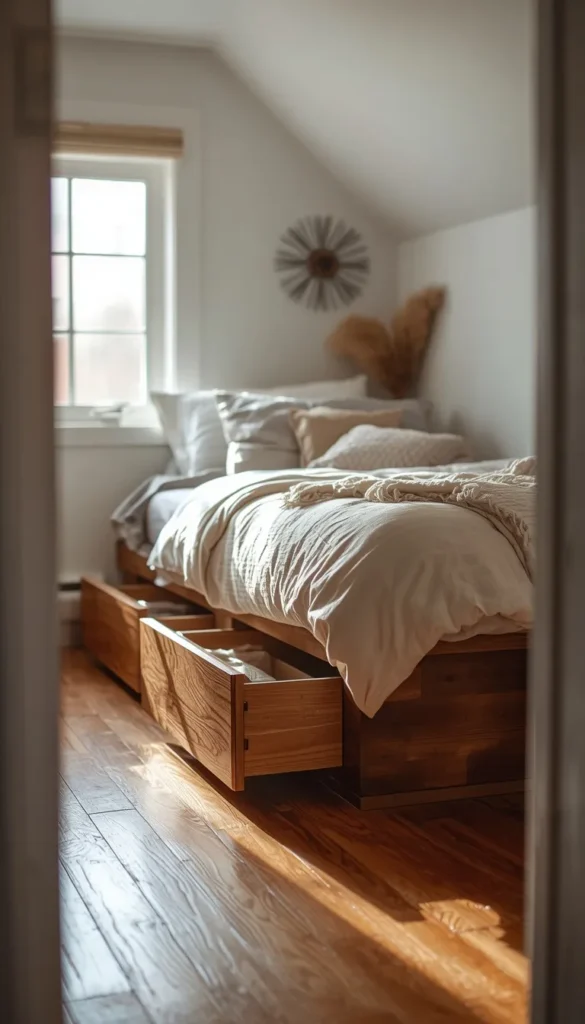
Loft beds get recommended constantly for small apartments, and I get why, since they free up an entire floor zone underneath for a desk or a reading nook. But I’ve also had clients climb a ladder every night for six months before admitting they hate it, especially if you’re not a morning person or you share the space with a partner who goes to bed earlier than you do. Platform beds with drawers built into the base are the quieter cousin here. You lose the dramatic square footage win, but you gain storage without the commitment of restructuring your whole sleep routine around a ladder.
6. Turn a Dresser Into a Nightstand
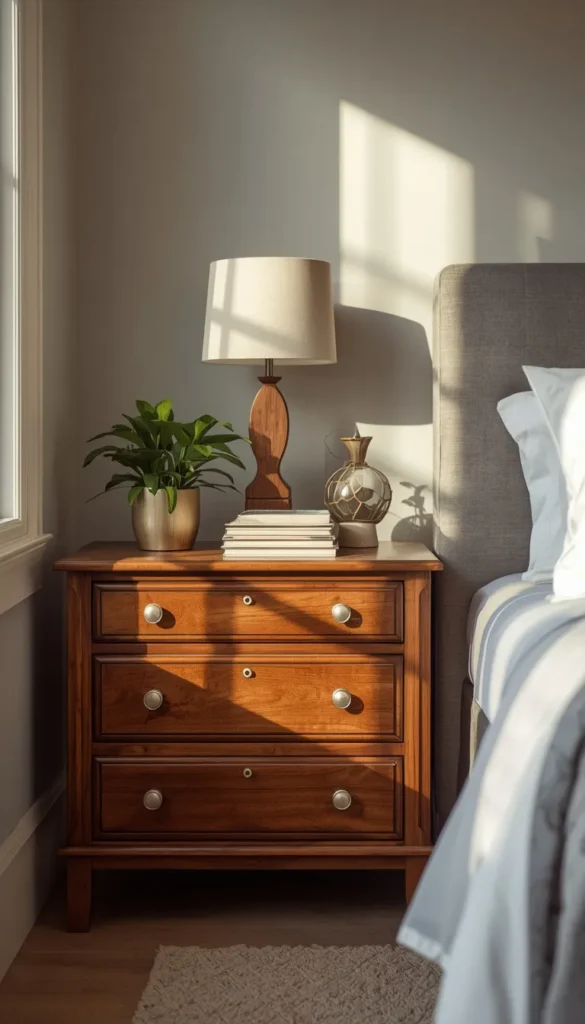
This is one of those small apartment ideas that sounds almost too simple to work, and yet it’s one of the most requested swaps I do. A dresser next to the bed gives you way more storage than a typical nightstand, and you can dedicate just the top drawer to the things you’d normally keep bedside, like glasses, chargers, or a book. One thing to watch out for is scale. A dresser that’s too tall next to a low bed frame looks awkward, so measure the height difference before you commit the floor space.
Top 6 small apartment ideas
| Idea | Estimated Price | Maintenance |
|---|---|---|
| Floating a Sofa Away From the Wall | $0 (just rearranging) | Low |
| Statement Chair as a Focal Point | $300 – $900 | Medium |
| Layered Lighting Setup (lamp + dimmer bulb) | $50 – $150 | Low |
| Loft or Platform Bed | $400 – $1,200 | Medium |
| Removable Wallpaper Accent Wall | $80 – $250 per wall | Medium |
| Entryway Bench and Rug Combo | $100 – $350 | Low |
7. Use the Space Under Your Bed
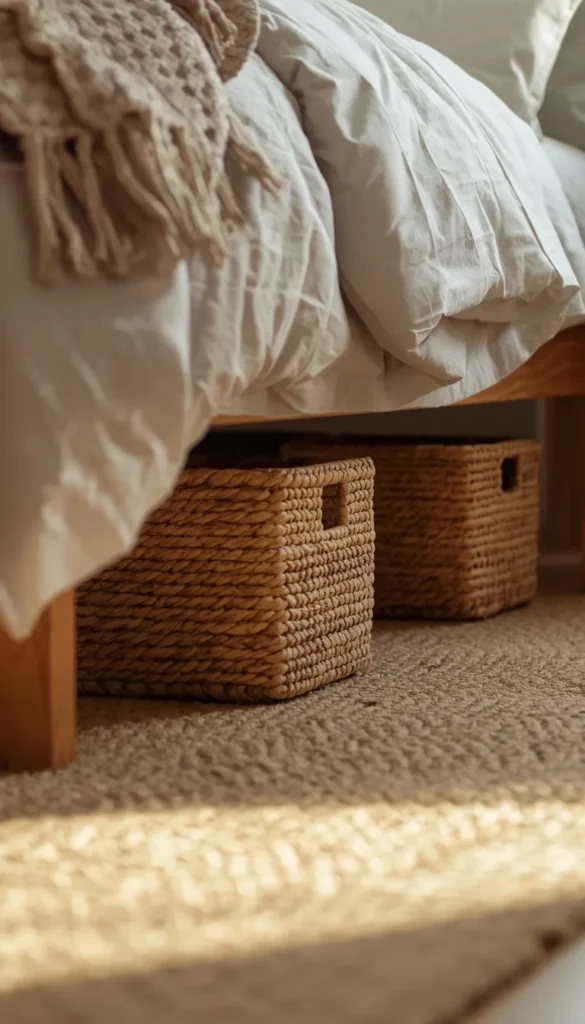
Under bed storage is one of those areas that people either use brilliantly or ignore completely. Bins on wheels, vacuum sealed bags for off season clothing, or even a bed frame with built in drawers can absorb a surprising amount of clutter that would otherwise live on your floor or in your closet.
- Rolling bins for shoes or extra bedding
- Flat vacuum bags for seasonal clothes
- A low profile storage ottoman at the foot of the bed for blankets
The trick is keeping it organized rather than just shoving things underneath, because a bed skirt hides a mess but it doesn’t solve it.
8.
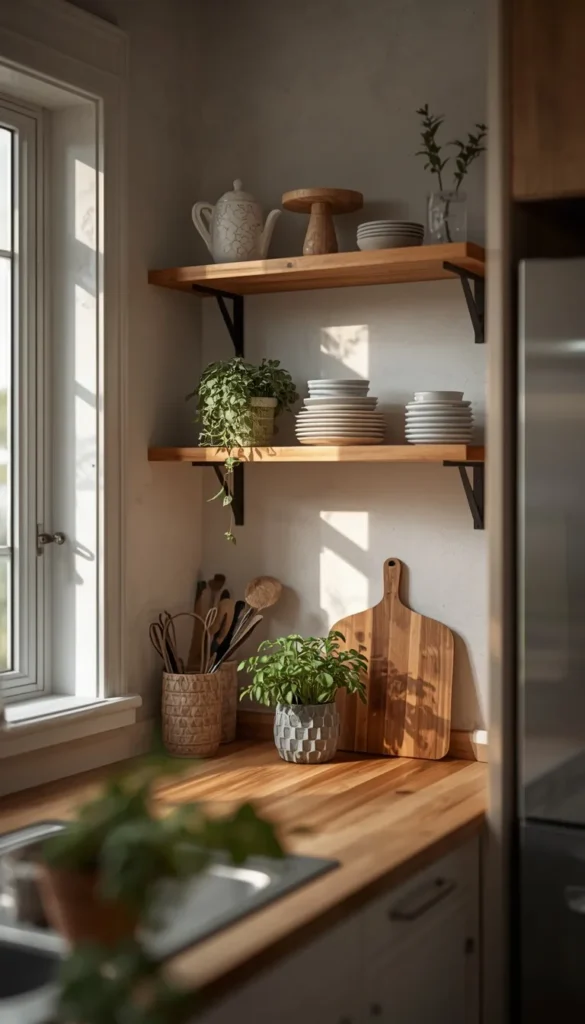
Small kitchens rarely need more stuff. They need better use of the walls. Before buying a single new organizer, I always look at how much vertical wall space is sitting empty above the counters. A rail with hooks for utensils, a magnetic strip for knives, or a few floating shelves can hold everything currently crowding your counters, and it costs far less than a new cart or cabinet insert. My own first apartment kitchen had maybe four feet of counter space total, and going vertical was genuinely the only reason it functioned at all.
Is your small space more of a storage problem or a layout problem?
9. Open Shelving Has a Catch
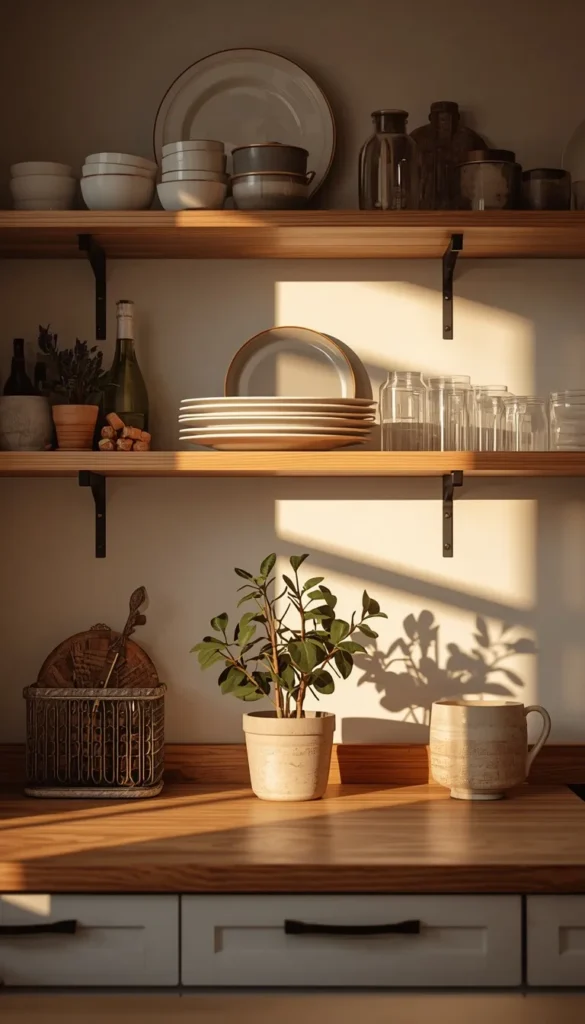
Open shelving photographs beautifully, and I understand the appeal completely. But here’s the part nobody mentions in the pretty pictures: everything on an open shelf is visible all the time, which means it needs to actually look nice and stay clean, or the whole kitchen starts to feel messy. Grease and dust settle on open dishes faster than you’d think, especially near a stove. If you love the look but don’t love the upkeep, try mixing one open shelf for display pieces with closed cabinets for the everyday stuff you don’t want to style constantly.
10. Fake an Entryway With a Bench and a Rug
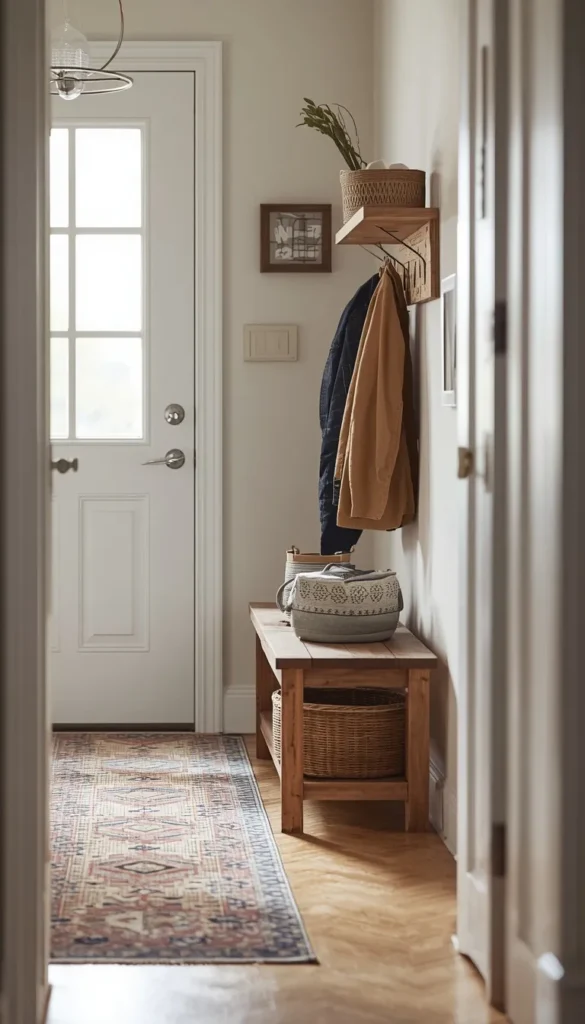
A huge number of small apartments simply don’t have a real entryway, and that’s fine because you can build one in about three feet of space. A narrow bench, a small basket underneath for shoes, and a rug that visually marks “you are entering the home now” does more psychological work than people expect. It gives you a spot to sit down and untie your shoes instead of hopping around by the door, and it makes the whole apartment feel more considered the second you walk in.
11. Removable Wallpaper Done the Right Way
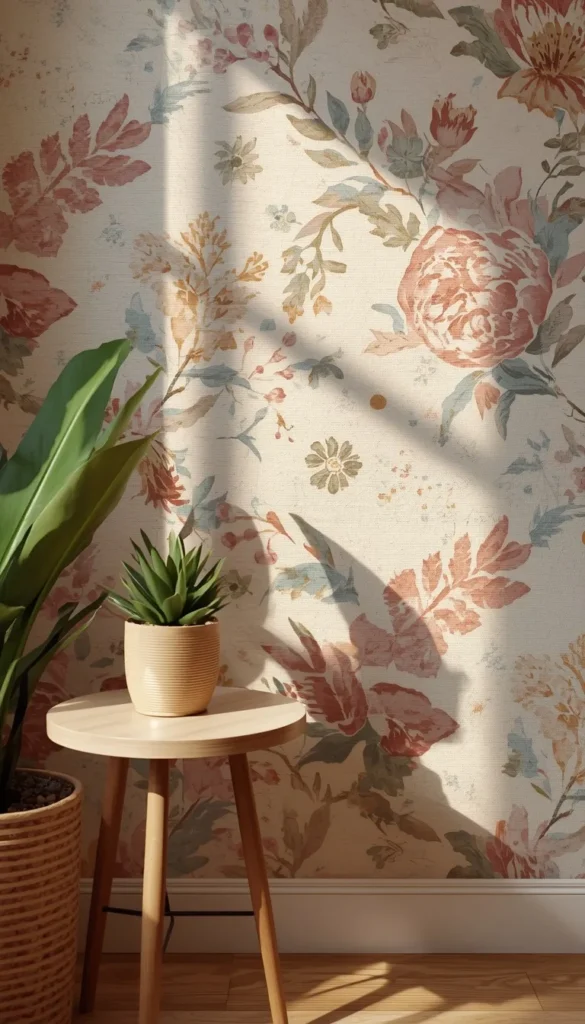
Removable wallpaper is one of the best tools a renter has, but I’ve seen it go wrong often enough that I always tell clients to test a small patch first. Some wall paints, especially in older buildings, don’t play nicely with adhesive, and you don’t want to find that out on the one accent wall you already committed to. A quick trick I’ve learned is to apply a test square in a closet or behind furniture, leave it for a few days, then peel it back to check the paint underneath.
A few other things worth knowing before you commit:
- Prime the wall first if it’s textured or freshly painted
- Avoid humid rooms unless the product is rated for bathrooms
- Keep the leftover roll in case you need patches later
12. When Dark Paint Actually Makes a Room Feel Bigger
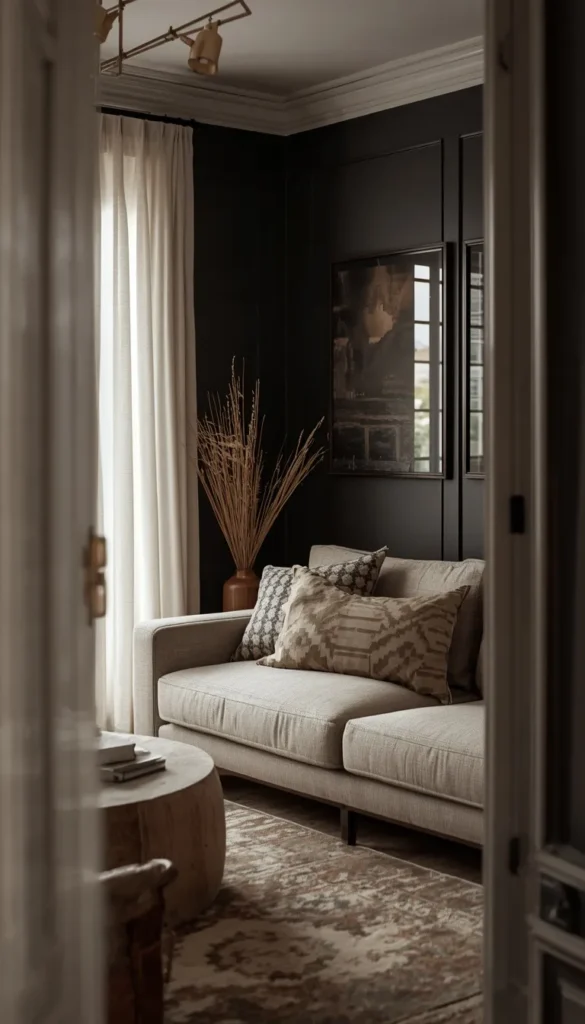
This one goes against what most people assume. Dark walls in a small room can actually make the space feel more enveloping and intentional rather than cramped, but only under the right conditions. It tends to work best in rooms with good natural light or a strong light fixture, since the contrast keeps the color from reading as a cave. Where it backfires is in a small, dim room with only one small window and no supplemental lighting plan. In that case, the walls just absorb what little light exists and the room feels smaller, not bigger.
Which one of these ideas do you think would make the biggest difference in your place right now?
13. Mirror Placement That Actually Adds Light
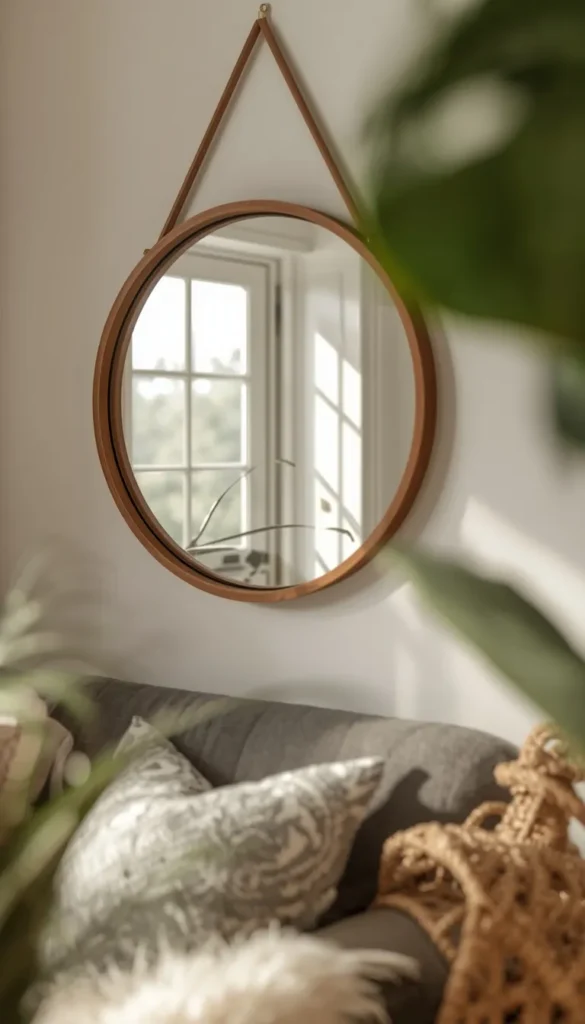
Everyone knows to hang a mirror in a small room, but the placement is where most people get it wrong. A mirror only bounces light effectively if it’s facing a window or a light source directly, rather than facing a wall or a piece of furniture. I like placing one across from the main window whenever possible, since it doubles the sense of daylight in the room during the day.
A couple of placement notes that make a real difference:
- Hang it at eye level, not too high, so it reflects the room and not just the ceiling
- Lean a large mirror on the floor against a wall in a tight room for an instant sense of depth
14. Know What to Splurge On and What to Thrift
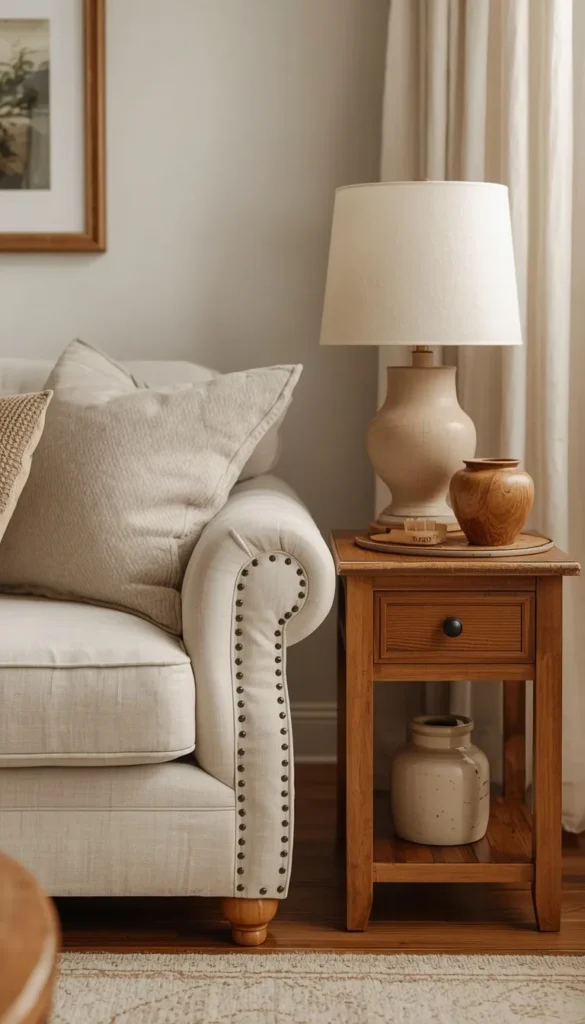
Budget is where most small apartment advice falls apart, because nobody wants to say a number out loud. My honest take is this: spend real money on the sofa and the mattress, since you touch both every single day and cheap versions of either wear out fast. Thrift or shop secondhand for side tables, dressers, and decorative objects, since those pieces have character precisely because they’re a little worn in. A vintage dresser with a scuff or two often looks more intentional than a brand new one from a big box store.
15. My Design Notes From a Chicago Studio
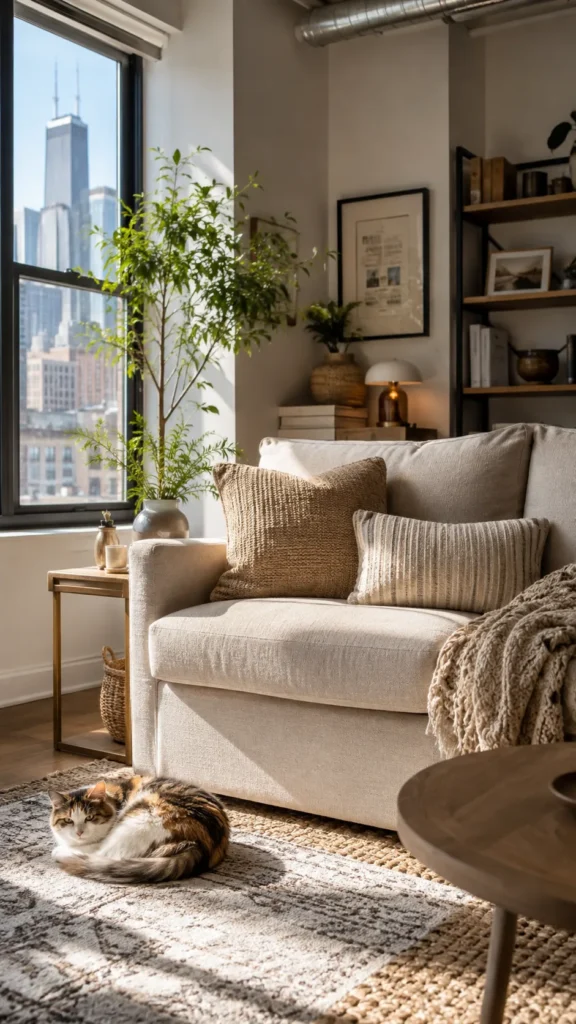
Every designer has that one project that sticks with them, and this is mine. It’s the apartment I bring up most often when a client swears they want an all white space but also mentions, almost as an afterthought, that they have a dog or a cat. It’s a good reminder that the prettiest inspiration photo doesn’t always account for real life, and the best small apartment ideas are the ones that survive contact with how you actually live day to day.
Which Path Is Yours?
By Budget
Starter / Budget Friendly
- Float your furniture instead of buying new pieces
- Layer lighting with lamps you already own plus a smart bulb
- Fake an entryway with a thrifted bench and a rug
- Test removable wallpaper on one small wall first
Luxury / Investment
- Splurge on a quality sofa and mattress since you use both daily
- Invest in a custom platform bed with built in storage drawers
- Commission one large statement art piece instead of several small ones
- Add a proper linear fireplace or lighting fixture as a focal point
By Lifestyle
Small Spaces / Studios
- Loft or platform beds to free up floor zones
- Vertical kitchen storage before buying anything new
- One statement piece, everything else stays quiet
- Under bed storage for seasonal items
Pet Owners / Busy Households
- Skip white bouclé, go with performance fabric instead
- Washable rug layers over delicate ones like jute
- Closed cabinets over open shelving in high traffic kitchens
- Durable, wipeable surfaces over anything precious
Frequently Asked Questions
How can I make my small apartment look bigger?
Float your furniture away from the walls and add one large mirror facing a window. Light colors help, but layout does most of the actual work.
What is the best furniture for a small apartment?
Multipurpose pieces win every time, like a storage ottoman or a bed with built in drawers. Skip anything oversized just because it looked good online.
How much does it cost to decorate a small apartment?
A budget friendly refresh can run anywhere from 500 to 1,500 dollars. A fuller makeover with new furniture typically lands closer to 3,000 to 6,000 dollars depending on what you keep.
Is a loft bed worth it in a small apartment?
It depends on your routine. Loft beds free up real floor space, but if you dislike climbing a ladder nightly, a platform bed with storage is the easier long term choice.
What colors make a small room feel bigger?
Soft neutrals and muted tones are the safest bet for making a room feel open. Dark colors can also work beautifully, but only with strong natural light or good lighting fixtures in the room.
Conclusion
Your apartment doesn’t need more square footage to feel like home. It needs a few intentional choices, and honestly, most of what we covered here costs less than a night out. Pick one thing from this list, whether that’s clearing off a shelf tonight or floating your sofa six inches from the wall this weekend, and just start there. Small spaces reward small actions faster than you’d think.
So tell me, which one of these are you trying first, and what’s the one corner of your apartment that’s been bugging you for months?
