
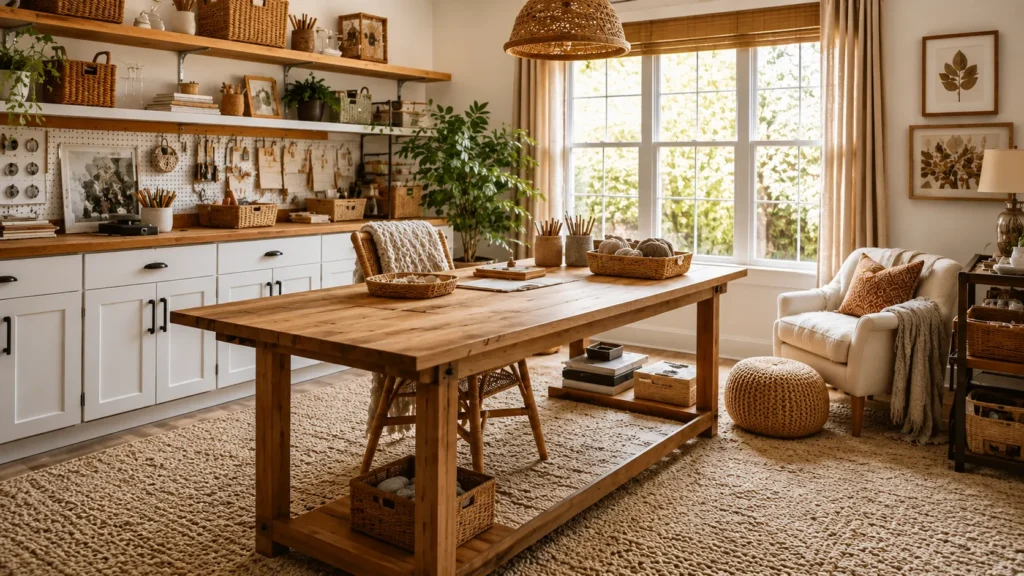
Most hobby rooms fail for the same boring reason: nobody planned for the mess. You can pin a hundred gorgeous photos of pegboards and pastel shelving, but if your lighting is wrong or your chair wrecks your back after an hour, the room stops getting used. I’ve walked into plenty of “craft rooms” that turned into storage closets within a year, and it’s almost never a style problem. It’s a function problem. So before we get into the pretty stuff, let’s build a hobby space you’ll actually sit down in tomorrow.
My Design Notes
I once took on a project just outside Boston, a 1960s Cape Cod where my client wanted her old formal dining room turned into a sewing and quilting studio. Easy enough, I thought, until I realized the room faced north and looked completely different by four in the afternoon than it did at two. My first lighting plan just didn’t hold up once we tested it through a full day. We also almost ripped out the original built in china cabinet before I stopped and suggested we repurpose it for fabric storage instead. That one decision saved her close to eighteen hundred dollars in custom cabinetry, and honestly, it gave the room more character than a brand new build out would have. My biggest takeaway from that job: test your lighting at different hours before you commit to a layout, and don’t demo what you can repurpose. Sometimes the room is already telling you what it wants to be.
15 Stunning Design Secrets for an Unforgettable Hobby Room
1. What Makes a Hobby Room Actually Work
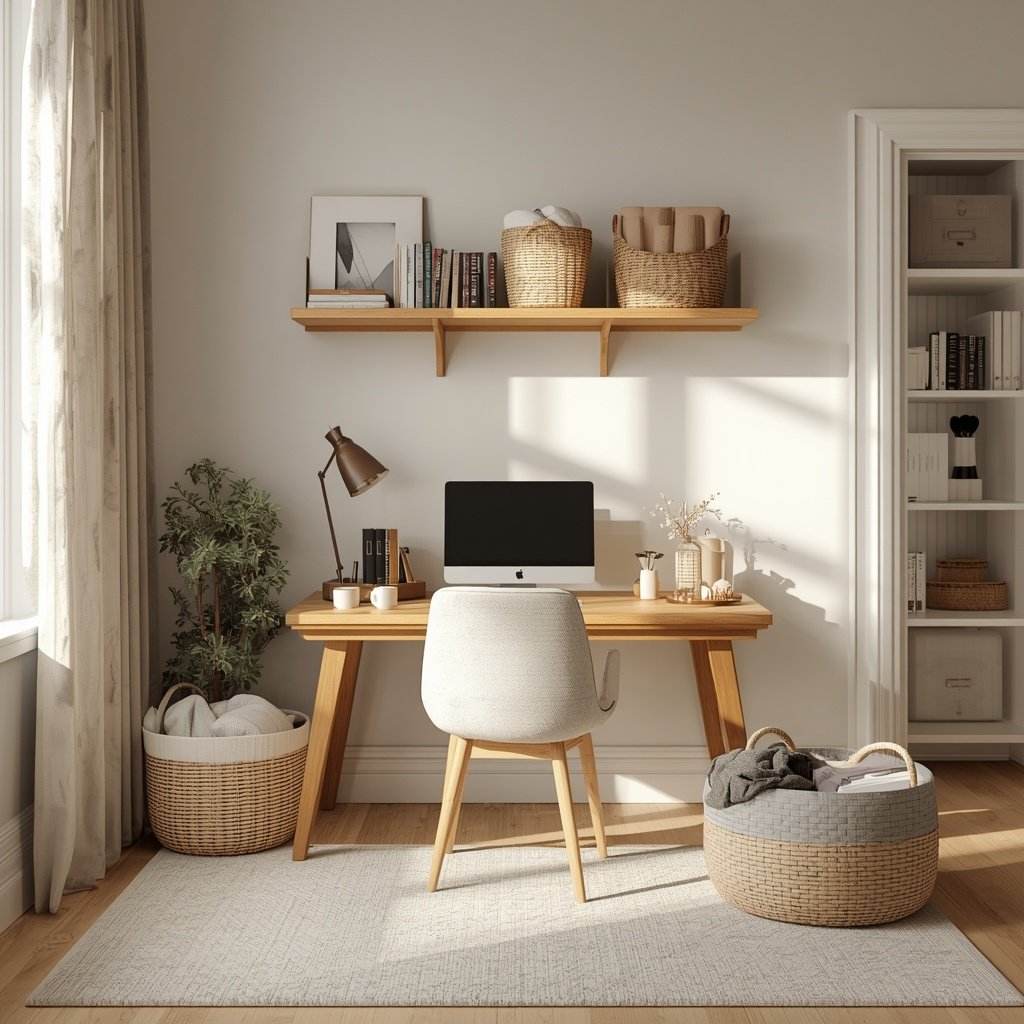
A gorgeous hobby room and a functional one aren’t always the same thing, and that’s the mistake I see homeowners make over and over. They pick the wallpaper before they think about where the natural light falls. My approach is always the opposite. I start by asking what you’re actually doing in this room, painting, sewing, building models, gaming, and let that answer shape everything else. The furniture, the storage, even the flooring should follow from that one question. Once the function is locked in, the style choices get easier and a lot more personal.
2. Choosing the Right Room for Your Space
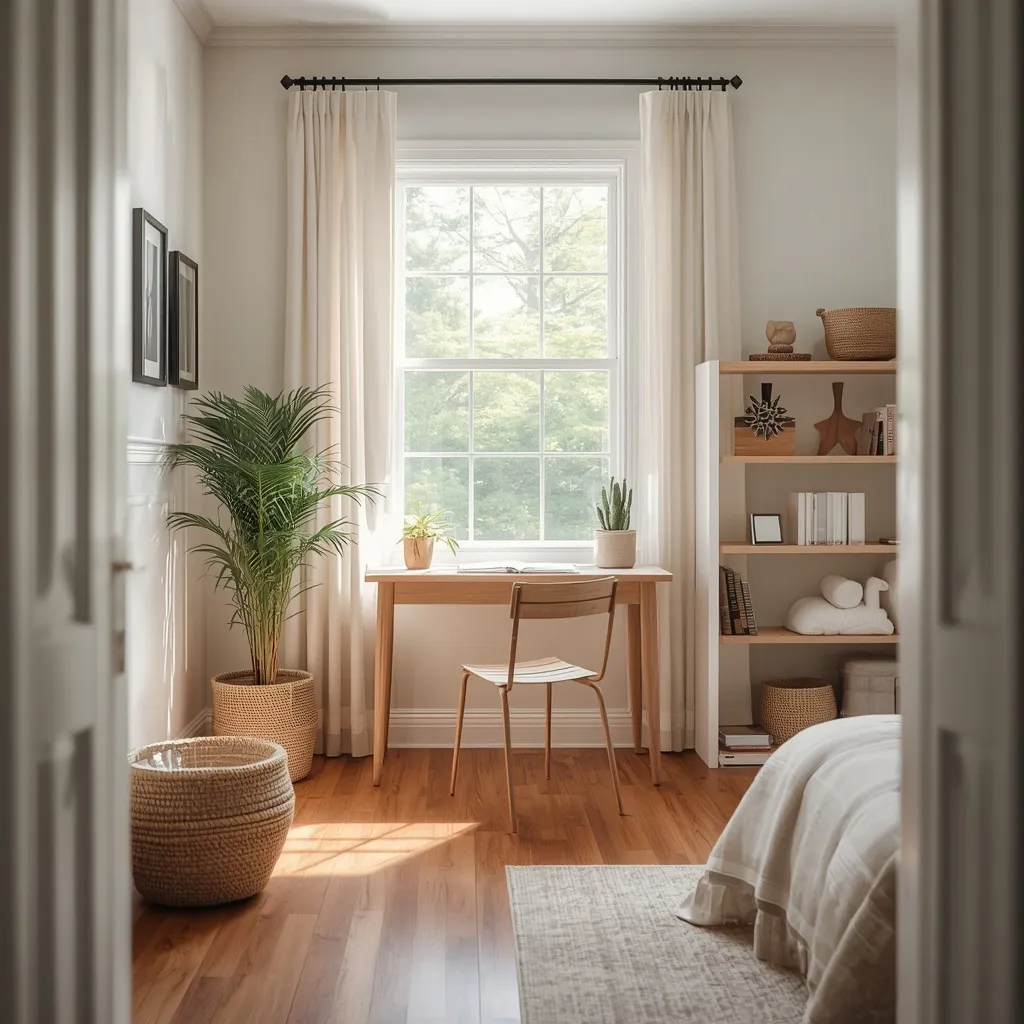
Not every leftover room makes a good hobby space, and picking the wrong one is where a lot of projects go sideways before they even start.
- A spare bedroom usually wins on natural light and easy access
- A basement offers more square footage but often needs help with humidity and lighting
- A garage or attic can work beautifully, though insulation and temperature control become real considerations
I always walk clients through what the room does at different times of day before we commit to anything.
3. Modern Farmhouse Hobby Room Ideas
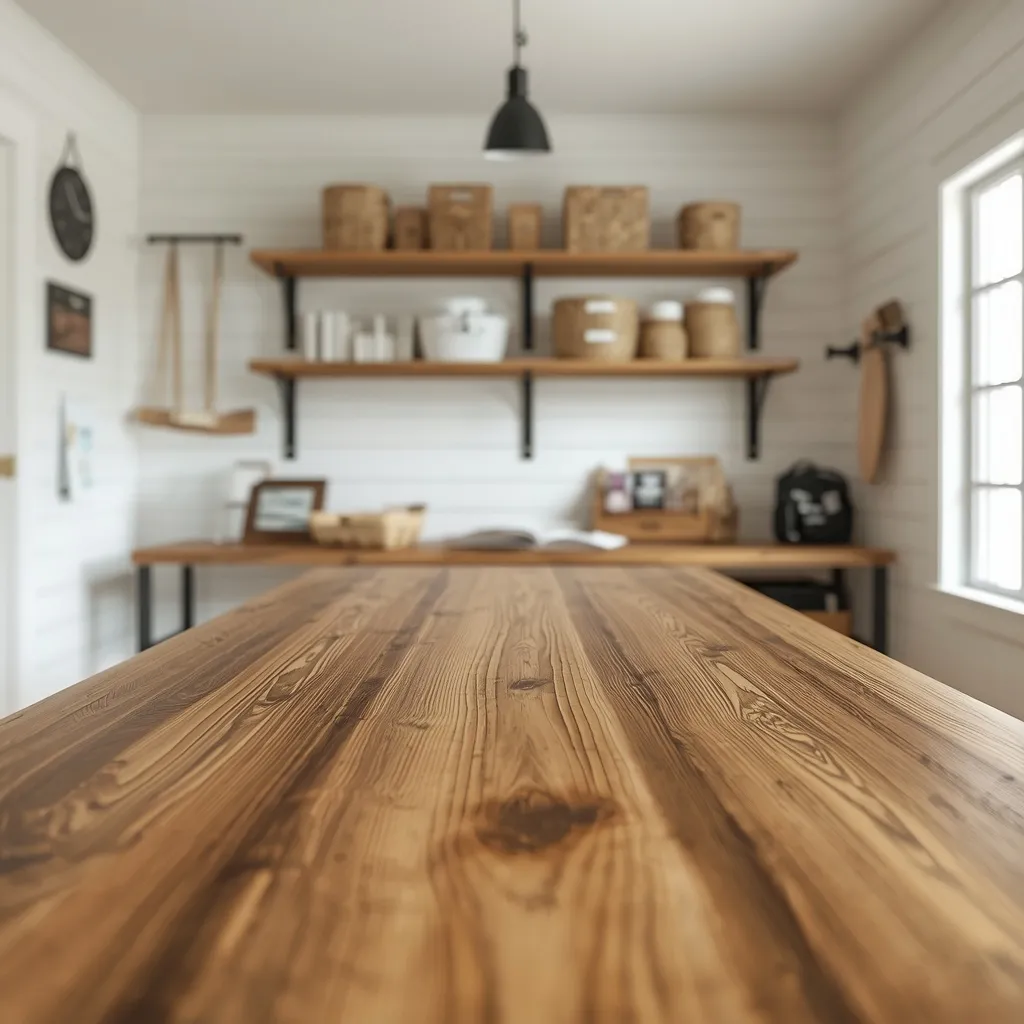
This is one of my favorite styles to design for hobby spaces because it manages to feel both lived in and put together. Think shiplap walls, warm wood tables, and black metal hardware that adds just enough contrast without feeling harsh. It photographs beautifully, which is part of why it’s so popular on Pinterest, but I always tell clients the real charm comes from the imperfect details, a reclaimed wood shelf, a vintage stool picked up at a flea market. Budget wise, you can pull this look together for under a thousand dollars if you’re willing to shop secondhand for the bigger pieces and save your splurge for one standout light fixture. Where I’ve seen people go wrong is overdoing the farmhouse signifiers until the room feels like a theme park rather than a home. One or two authentic pieces will always beat five that were bought just because they matched a mood board.
4. Mid Century Modern Craft Studio Ideas
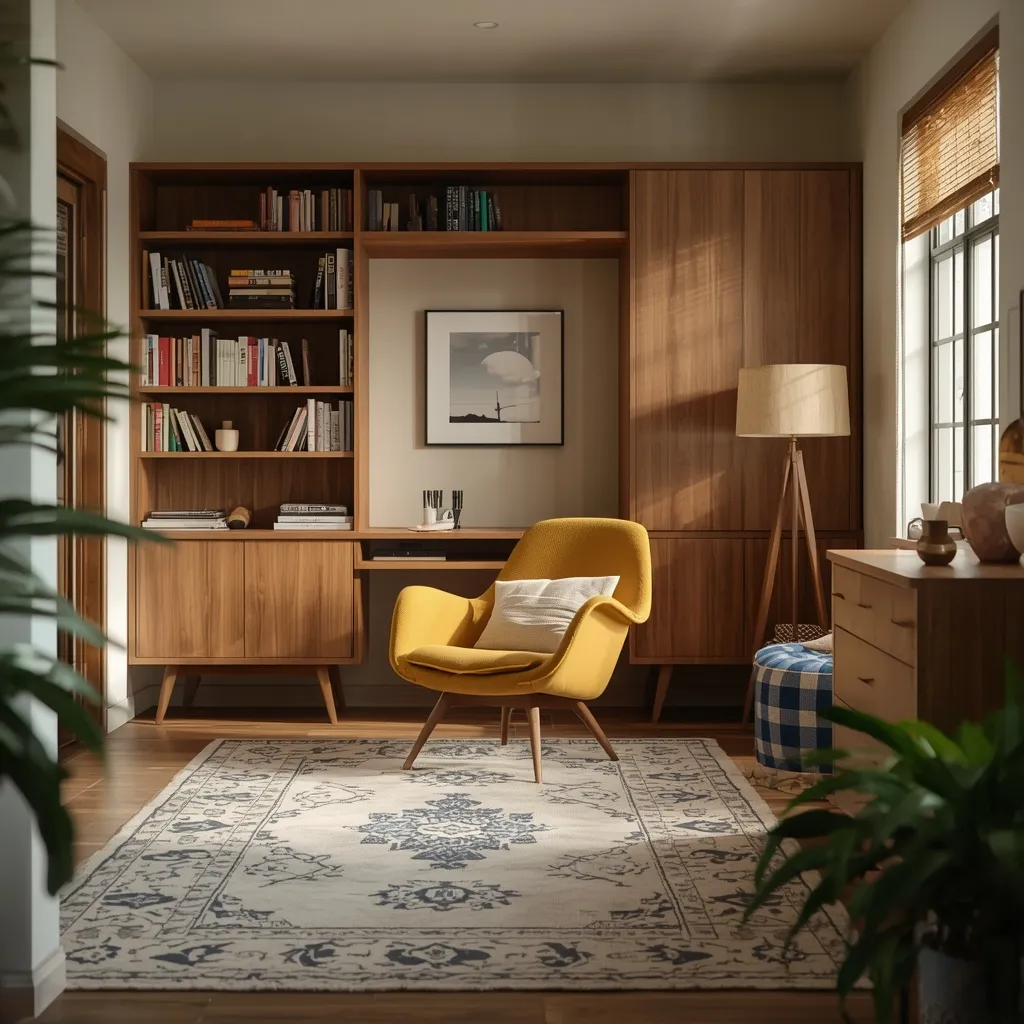
Clean lines, warm wood tones, and a restrained color palette make this style a natural fit for anyone who wants their hobby room to feel calm rather than cluttered.
- Tapered wood furniture legs keep the room feeling open
- A single bold accent color, mustard or burnt orange work well, adds warmth without overwhelming
- Low profile storage keeps sightlines clear in smaller rooms
This style tends to photograph as more expensive than it actually is, which is a nice bonus if you’re working with a tighter budget.
Which room in your house has the most hobby room potential right now?
5. Transitional Sewing and Craft Room Ideas
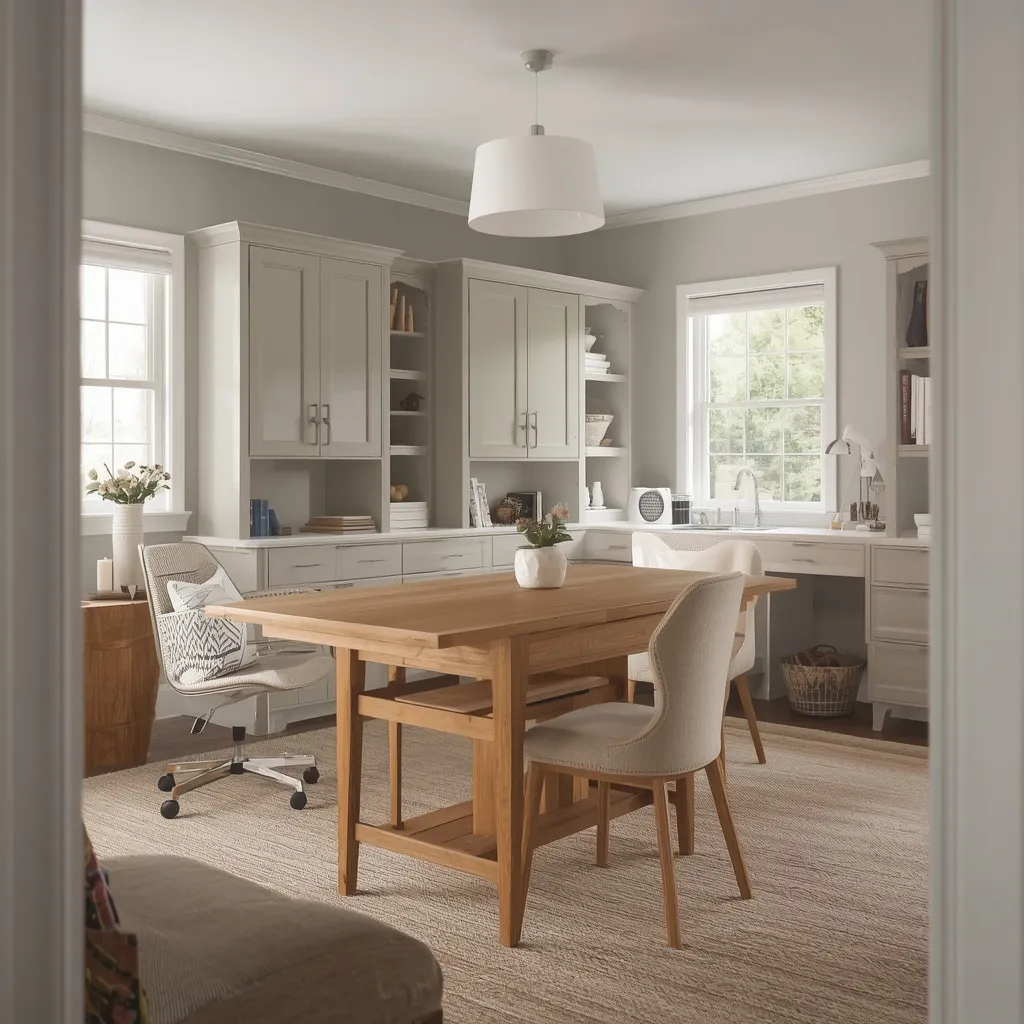
Transitional design sits comfortably between traditional and modern, and honestly, it’s the style I recommend most often when a client can’t quite decide what they want. It borrows the warmth of classic furniture shapes but keeps the palette neutral and the lines simple, so nothing feels dated in five years. For a sewing room specifically, this means soft creams and grays on the walls, a mix of open and closed storage, and a work table with enough surface area to actually cut fabric without knocking things onto the floor. My clients who go this route tend to keep the room longer without wanting a redo, which says a lot. One thing worth knowing upfront is that transitional spaces rely heavily on texture since the color palette is so quiet, so don’t skimp on a good rug or textured curtains, that’s where the room gets its personality.
6. Small Hobby Room Ideas for Tight Spaces
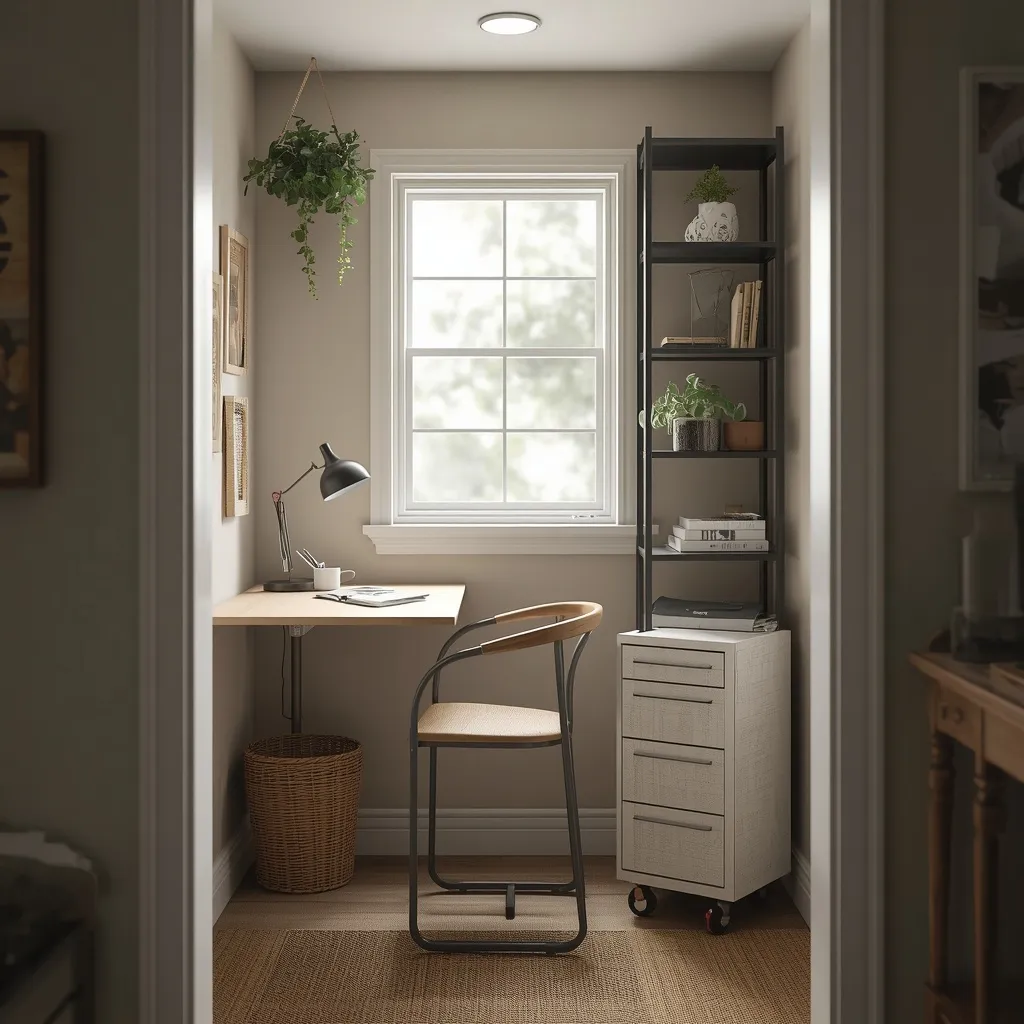
Working with under 80 square feet doesn’t mean giving up on a real hobby room. It just means every inch has to earn its place.
- Wall mounted folding desks free up floor space when you’re not working
- Vertical storage, think tall narrow shelving, beats wide furniture every time
- Rolling carts let you tuck supplies away completely when the room needs to double as something else
I’ve fit full sewing setups into closets before. It’s tight, but it works if you plan the layout before you buy a single piece of furniture.
Here’s the summary table, formatted for placement right after point 4 (Mid Century Modern Craft Studio Ideas), before moving into point 5:
Top 6 Hobby Room Ideas
| Idea | Estimated Price | Maintenance |
|---|---|---|
| Modern Farmhouse Hobby Room | $500 to $1,000 | Medium |
| Mid Century Modern Craft Studio | $600 to $1,200 | Low |
| Transitional Sewing Room | $700 to $1,500 | Medium |
| Small Hobby Room Setup (under 80 sq ft) | $200 to $600 | Low |
| Vinyl Plank Flooring Upgrade | $3 to $7 per sq ft | Low |
| She Shed Multifunctional Studio | $8,000 to $20,000 | High |
7. Lighting Rules Nobody Tells You About
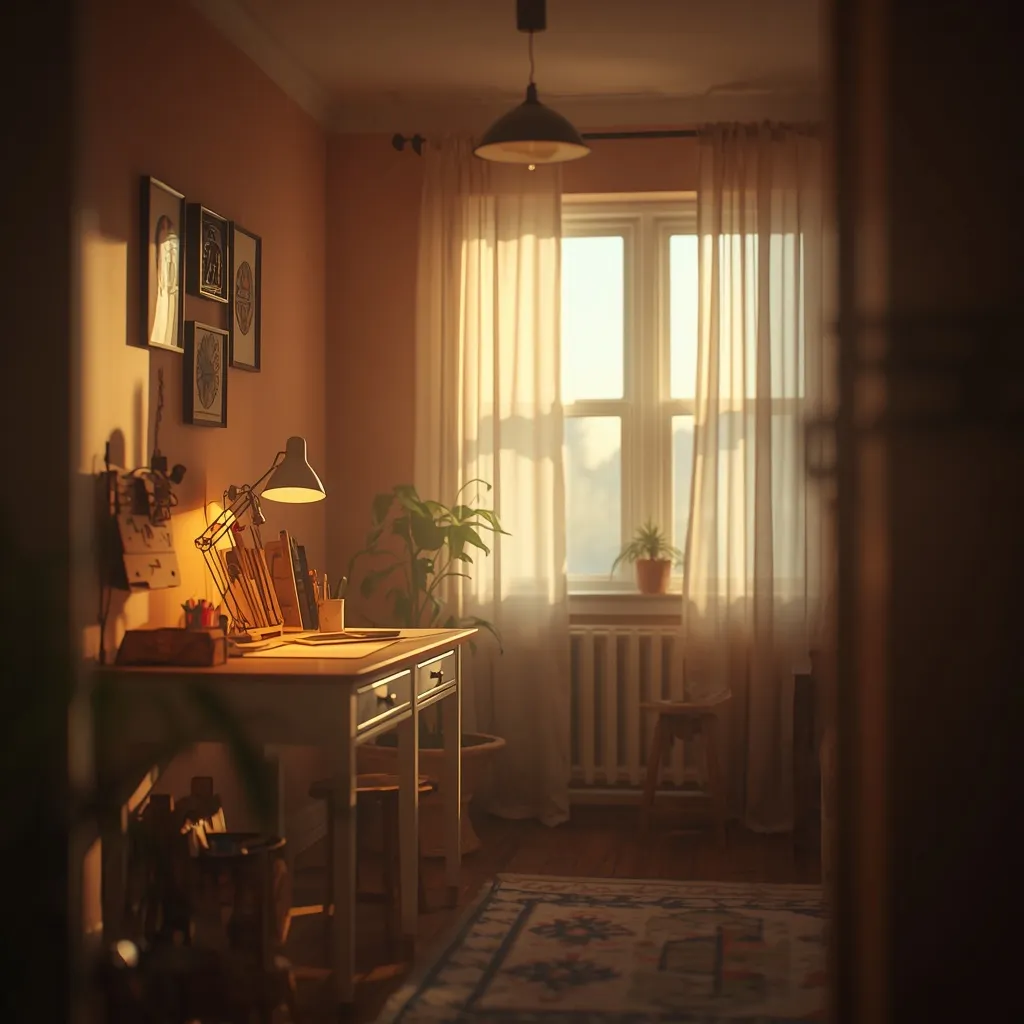
This is the section I wish more people read before they start decorating, because lighting mistakes are the number one reason a beautiful hobby room ends up unused. Natural light is wonderful, but it shifts dramatically throughout the day, and a room that looks perfect at noon can feel completely wrong by early evening. For close detail work like painting or sewing, you want daylight bulbs around 5000K, which mimic natural light and keep colors accurate. Warmer bulbs, closer to 2700K, are better suited for a reading nook or a slower hobby where you want the room to feel relaxed rather than clinical. A trick I’ve picked up over the years is layering three light sources in any hobby room, ambient overhead, task lighting at the work surface, and one softer accent light, so the room adapts as the time of day changes instead of fighting against it.
8. Storage Systems That Actually Hold Up
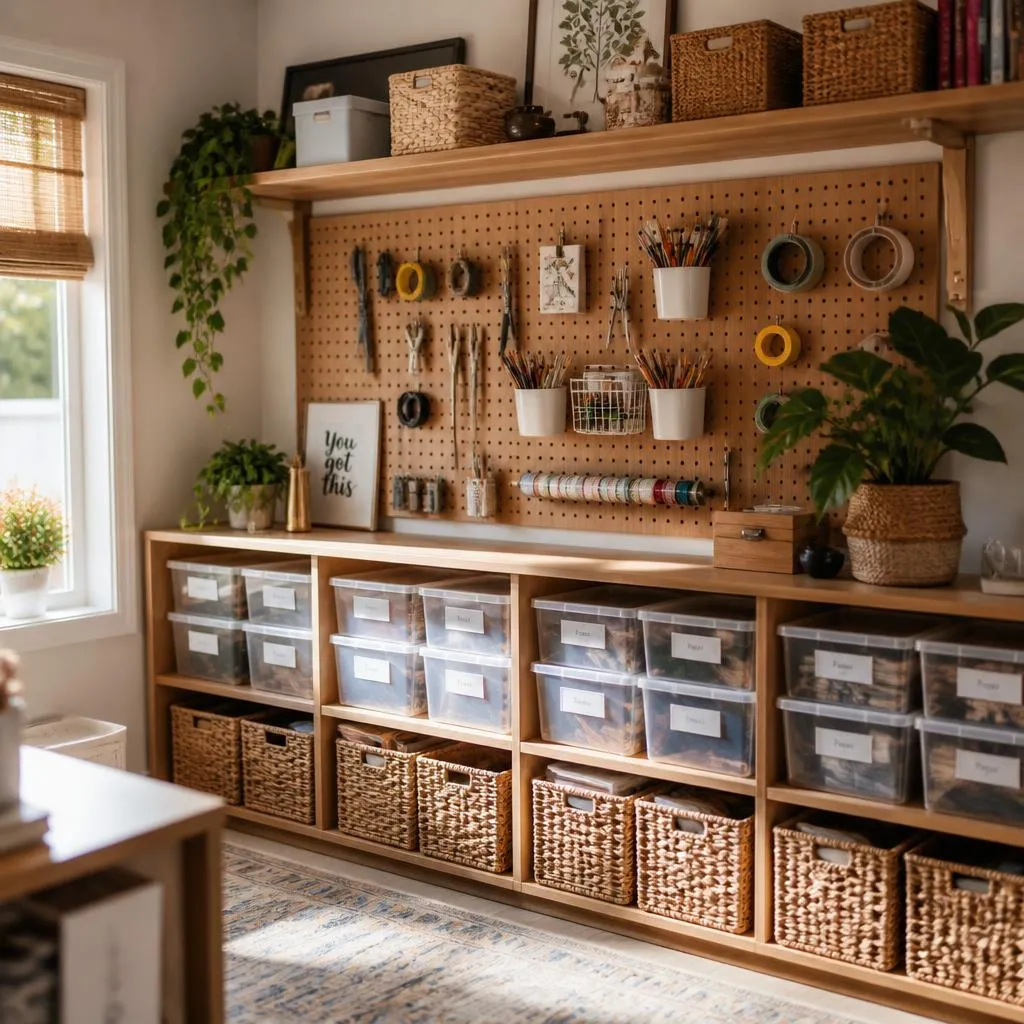
Pretty storage and durable storage aren’t always the same thing, and this is where a lot of Pinterest inspired rooms fall apart after a few months of real use. Pegboards are fantastic for tools and frequently used items, but they do collect dust if you’re not wiping them down regularly, so keep that in mind if you’re someone who lets cleaning slide. Clear acrylic bins look wonderful in photos, though I’ve noticed they scratch and yellow faster than expected, especially in a sunny room. Woven baskets add warmth but aren’t great for anything heavy or sharp. My honest advice is to mix materials based on what’s actually going inside them rather than choosing one system for the whole room just because it looks cohesive online.
If you started today, would you go the budget route or save up for the full built in version?
9. DIY Hobby Room Ideas on a Real Budget
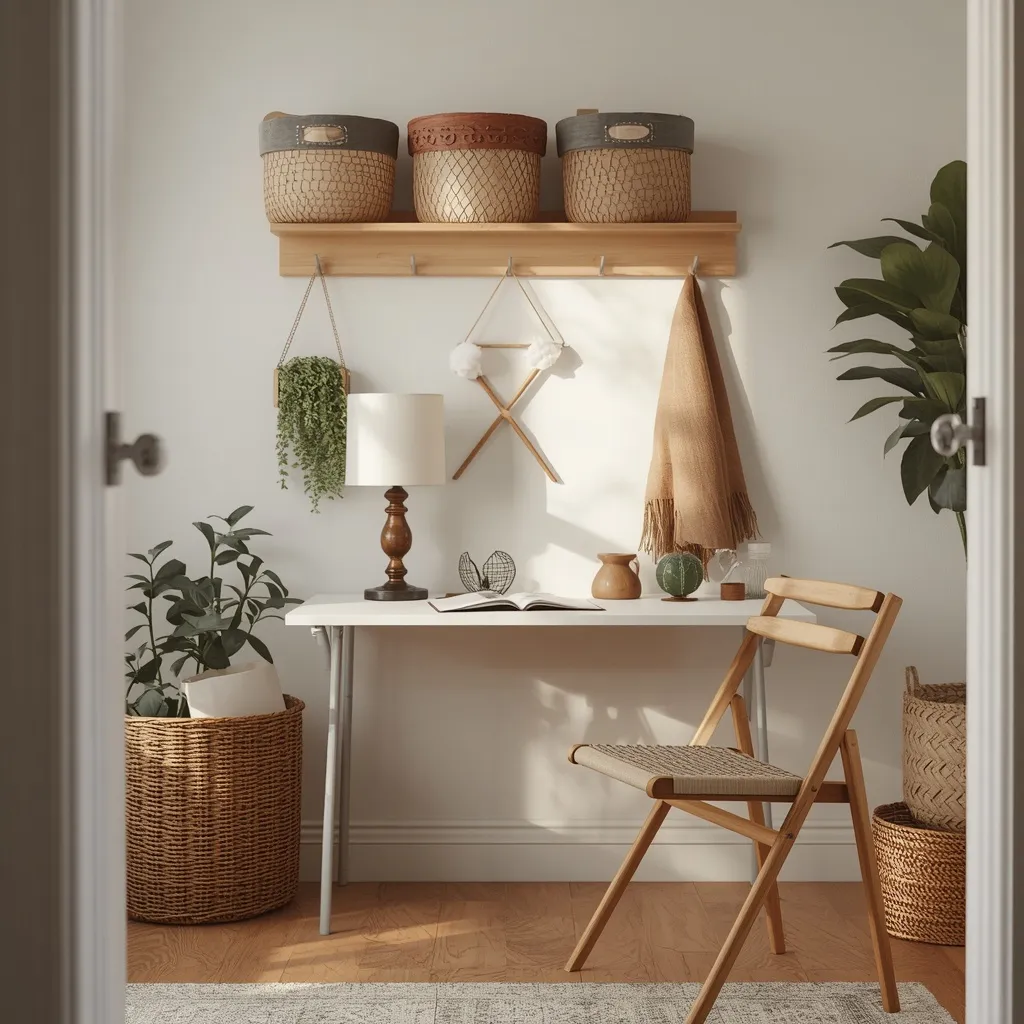
You don’t need a five thousand dollar renovation to get a hobby room that actually functions well, and I think this is where a lot of blogs oversell the fantasy without addressing what things really cost.
- Around $200 gets you basic organization, bins, a folding table, some wall hooks
- About $800 opens up a proper desk, better lighting, and mid range storage furniture
- Closer to $2,500 covers custom built ins, upgraded flooring, and higher end lighting fixtures
Most of my clients land somewhere in the middle tier and end up happiest there, since it’s enough to feel intentional without the pressure of a full renovation.
10. Flooring That Survives Paint Glue and Glitter
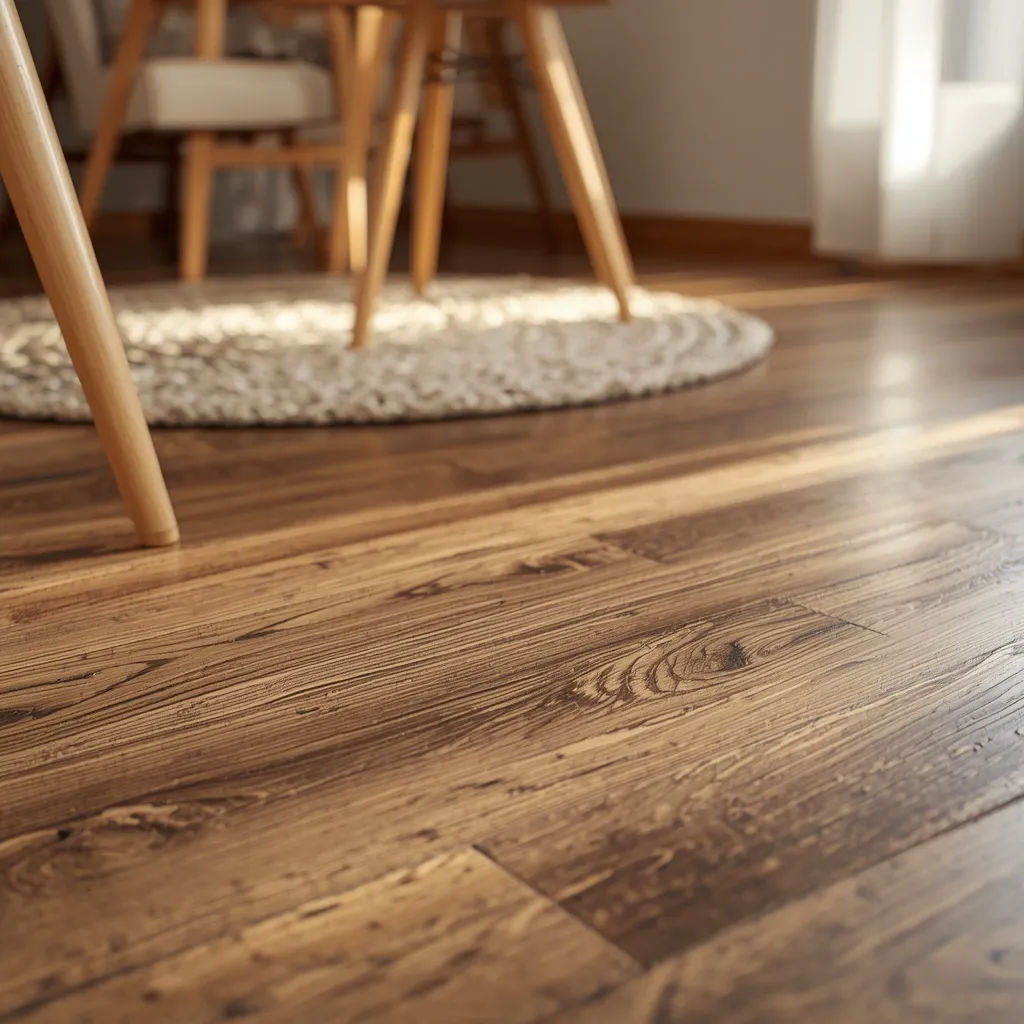
Flooring gets overlooked constantly in hobby room planning, and then six months later someone’s asking me how to get dried glue out of carpet. Vinyl plank flooring is my go to recommendation for almost any craft or hobby space because it’s water resistant, easy to wipe clean, and holds up fine against dropped paintbrushes or spilled beads. Carpet feels cozy, sure, but it’s a nightmare the moment resin or acrylic paint gets involved, and it will get involved eventually. If warmth underfoot matters to you, a washable area rug over vinyl or laminate gives you the best of both without the long term headache.
11. Ventilation and Air Quality for Serious Hobbies
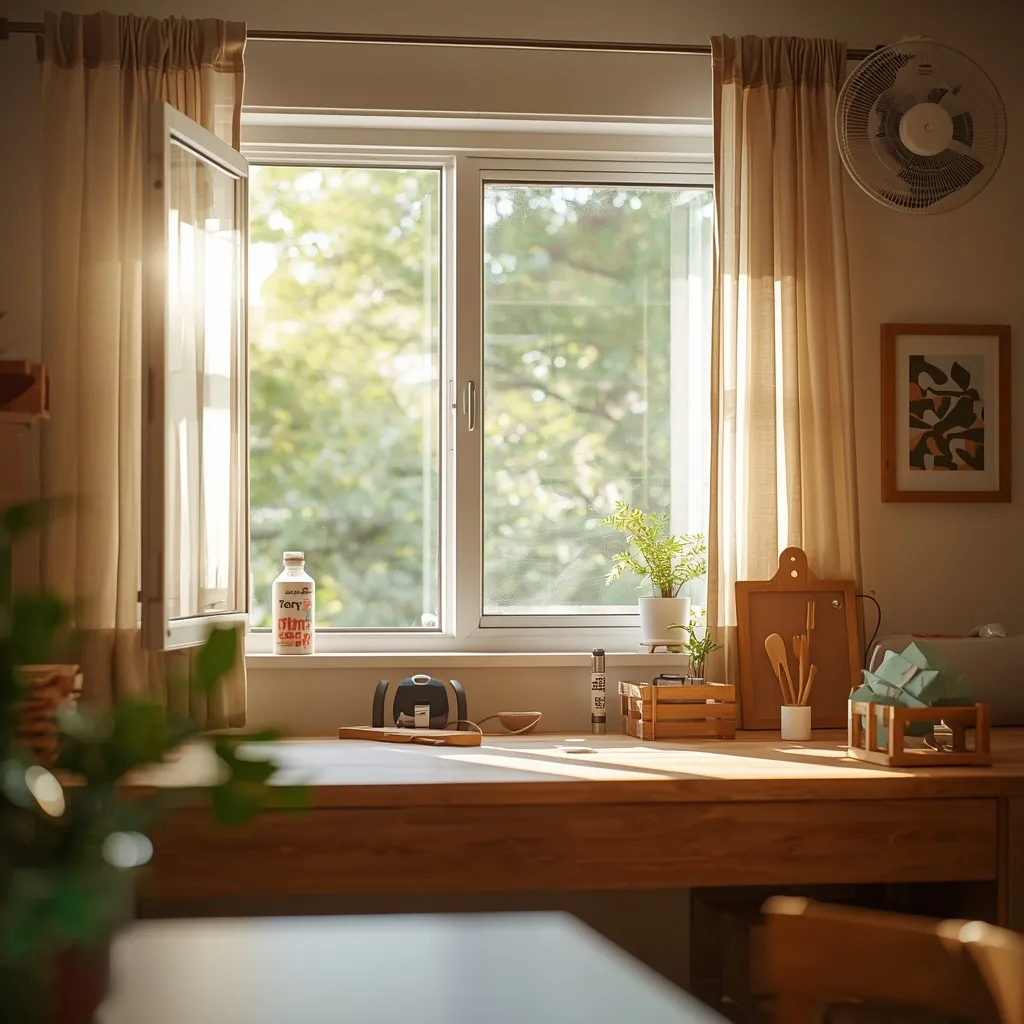
If your hobby involves resin, spray paint, wood staining, or anything with strong fumes, ventilation isn’t optional, it’s a real health consideration. A window that actually opens matters more than people think, and a small exhaust fan can make a bigger difference than expensive air purifiers alone. One thing I always tell woodworkers specifically is to keep sawdust collection separate from the main air circulation path, since fine particulate is its own issue beyond just smell. It’s not the most glamorous part of designing a hobby room, but it’s the part that protects you long after the room looks finished.
12. Multifunctional Hobby Room Ideas
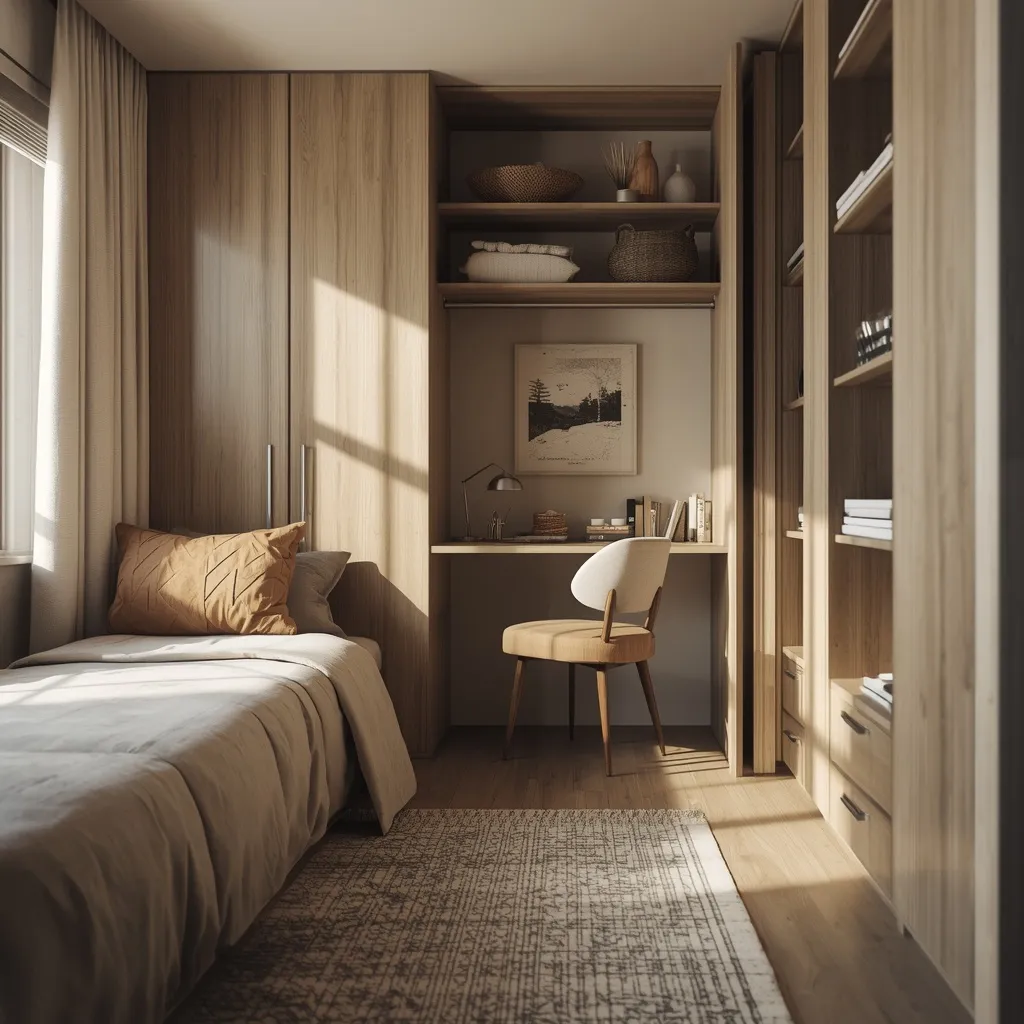
Most people don’t have a spare room to dedicate entirely to one hobby, and that’s completely fine. A guest room with a Murphy bed frees up floor space for a full craft setup when nobody’s visiting. A fold down desk built into a closet lets an office double as a sewing nook without either function feeling squeezed. She shed style structures in the backyard are having a moment too, though I’ll be honest, permits and insulation costs surprise people almost every time, so budget an extra buffer if you’re going that route. The key with any multifunctional space is deciding which function comes first, because trying to serve two purposes equally usually means neither one works particularly well.
13. Hobby Room Furniture and Ergonomics That Matter
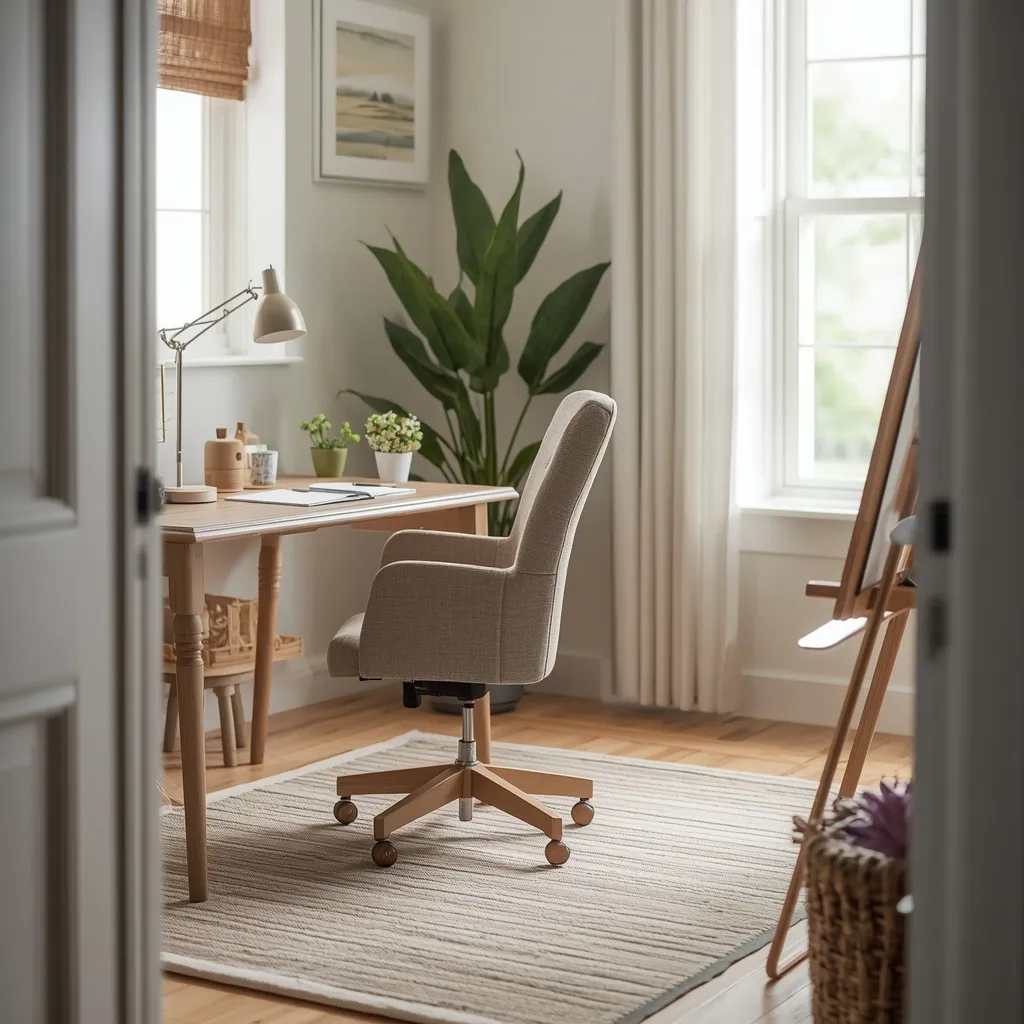
Furniture choice in a hobby room isn’t just about style, it’s about whether your body can handle sitting there for two hours without aching. I’ve had clients invest heavily in a beautiful desk only to realize six weeks later that the height was wrong for their chair, and suddenly the room they loved becomes the room they avoid. A general rule I use is keeping desk height around 28 to 30 inches for most seated hobbies, paired with a chair that actually supports your lower back, not just something that looked good in the showroom. For standing work like painting at an easel, anti fatigue mats make a bigger difference than people expect. It sounds like a small detail until you’re the one standing there for three hours on a Saturday.
14. Craft Room Organization That Actually Sticks
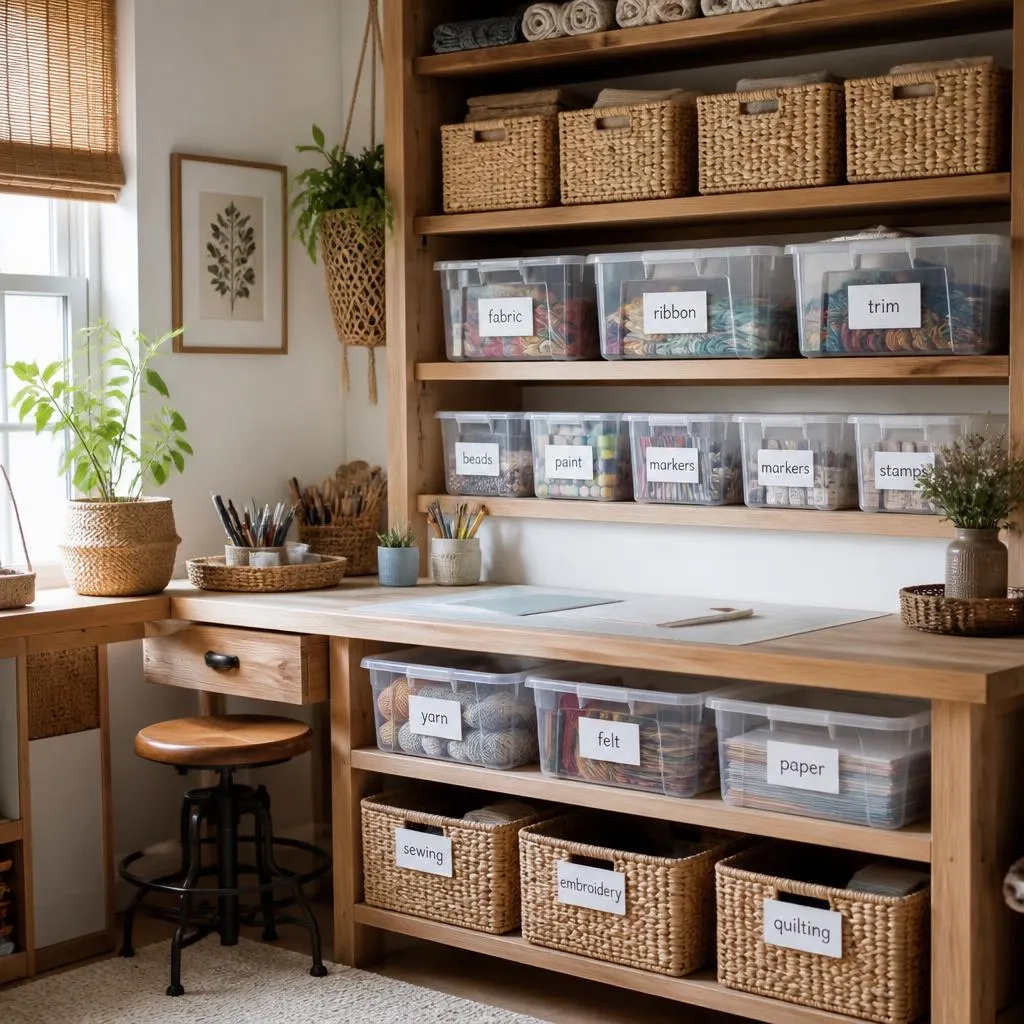
Organization systems fail for one main reason, they’re built around how the room should look rather than how you actually work.
- Group supplies by project type, not by category alone
- Keep your most used items within arm’s reach of your main work surface
- Leave a little breathing room in every bin, overpacked storage gets abandoned fast
A method I’ve used with several clients is doing a two week test run before committing to permanent labels or built ins. You learn a lot about your real habits in those two weeks that no amount of planning ahead can predict.
15. The Maintenance Reality Six Months Later
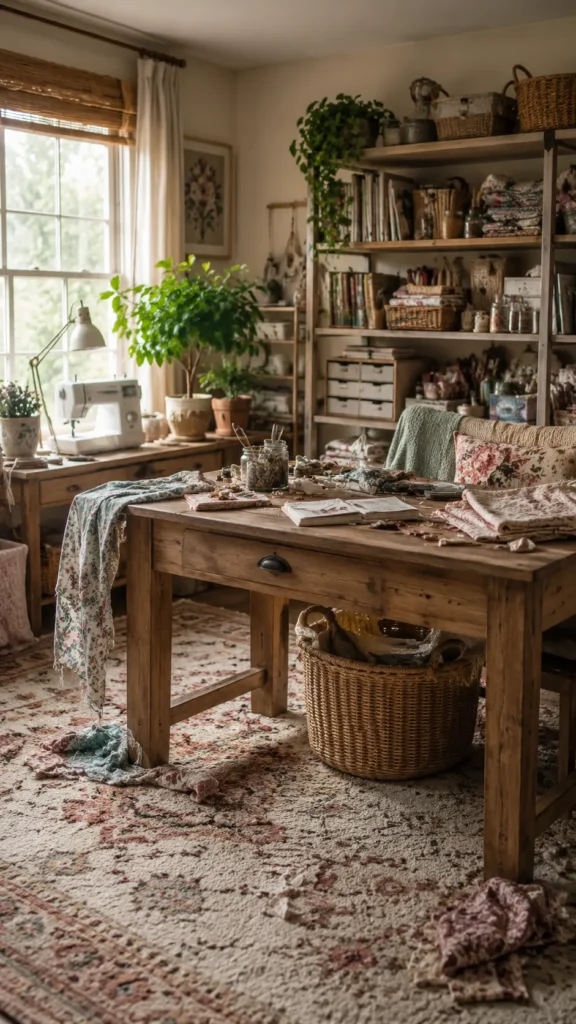
Here’s the part nobody wants to talk about but every homeowner should hear before they start. That crisp, styled hobby room in the photos rarely stays that way, and that’s okay. Dust settles on open shelves faster than you’d expect. Labels peel. Someone always drops something sticky near the good rug. What actually matters isn’t keeping the room magazine perfect, it’s building in small habits, five minutes of tidying before you leave, wiping down surfaces weekly, that keep the space usable without turning maintenance into a chore. The hobby rooms that last aren’t the ones that never get messy. They’re the ones designed to bounce back from mess quickly.
Which Path Is Yours?
By Budget
Starter Setup
- Folding table, wall hooks, and a couple of storage bins
- Best if you’re testing out a new hobby before committing
- Vinyl peel and stick flooring keeps costs low without sacrificing durability
Investment Studio
- Custom built ins, upgraded task lighting, real hardwood or high end vinyl plank
- Best if the hobby is a long term part of your life, not a passing phase
- Worth pairing with a she shed or full room conversion if space allows
By Lifestyle
Small Space Dwellers
- Wall mounted folding desks and vertical shelving are non negotiable
- Rolling carts let the room reset fast when guests come over
- Skip anything bulky, even if it photographs well
Dedicated Creative Studio Owners
- Zone the room by activity if you’re juggling more than one hobby
- Invest in proper ventilation early, especially for resin, paint, or woodworking
- Ergonomic furniture pays off faster than decor upgrades will
Frequently Asked Questions
How much does it cost to convert a spare room into a hobby room?
The average cost lands between $500 and $2,500 depending on how much you’re building versus buying secondhand. A basic refresh with folding furniture and open shelving stays on the lower end. Custom built ins push it higher fast.
What is the best flooring for a craft or hobby room?
Vinyl plank flooring wins for most hobby spaces. It resists water, paint, and glue better than carpet ever will, and it’s easy to wipe clean after a messy project.
Can I turn a small closet into a functional hobby room?
Yes, closets work surprisingly well for compact hobbies like sewing or journaling. Fold down desks and vertical shelving make the most of tight square footage.
Do I need special ventilation for a resin or painting hobby room?
Yes, if fumes are involved, ventilation matters. A window that opens or a small exhaust fan protects your air quality far better than scented candles or air purifiers alone.
How do I keep a hobby room organized long term?
Group supplies by project, not category, and leave room to breathe in every bin. A quick five minute reset before you leave keeps the whole system from collapsing.
Conclusion
Your hobby room doesn’t need to be perfect on day one, it just needs to exist. Clear one shelf this weekend, order that vinyl flooring sample, or move your desk six inches closer to the window. Small moves like that add up faster than people expect, and before long you’ve got a corner of your home that’s actually yours again. Your house should work as hard for you as you do for it, so give this room the chance it deserves.
