
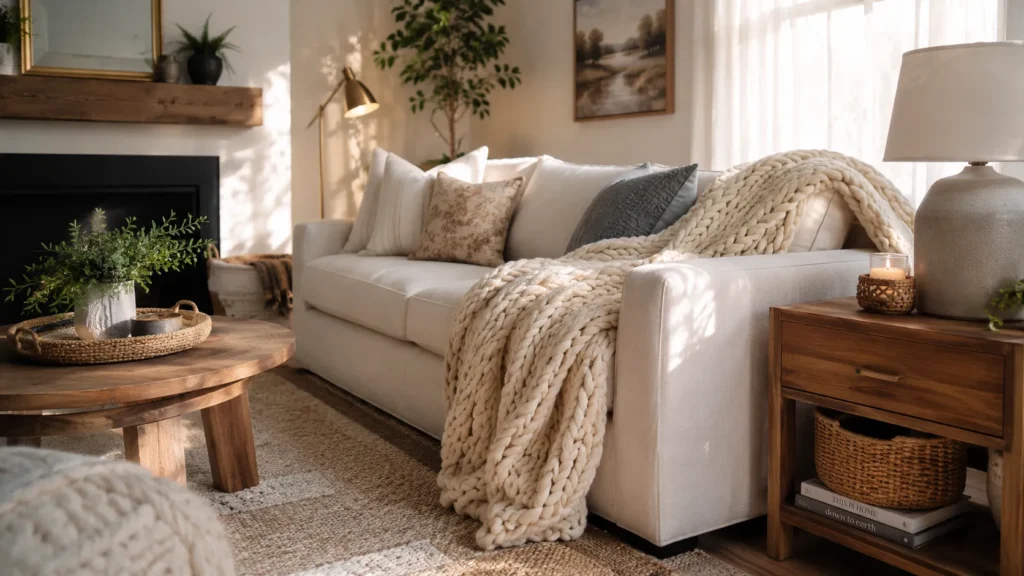
I’ve walked into more “finished” living rooms that felt cold than I can count. Good decor isn’t about buying more stuff. Sometimes it’s one lamp, one rug, or one hard truth about what to skip. I’ve spent years fixing these exact rooms for real clients on real budgets. Here are 15 home decor inspo ideas I actually use, trade offs and all.
My Design Notes
When I was working on a project in a rented duplex in Nashville, my clients had a strict no drill, no paint clause and a budget under $1,200. I swapped their flush mount ceiling light for a plug in pendant. No electrician, no lease violation, and the room instantly felt warmer. We layered a vintage style rug right over their existing beige carpet instead of replacing the flooring. Three weeks in, we had a red wine incident on that rug, and I’ll admit I didn’t warn them enough about that risk going in. I did push them toward one splurge, a substantial linen sofa, because a room lives or dies by its biggest piece. I also talked them out of three things: a gallery wall on plaster that couldn’t hold real anchors, a fiddle leaf fig I knew they’d kill within a month, and a trendy arch mirror that would have swallowed the whole room. My biggest lesson from that job is one I repeat to almost every client now: solve the constraint first, then decorate around it.
Mastering Stunning Home Decor Inspo for an Elevated Everyday Space
1. Pick a Mood Word Before You Pick a Style
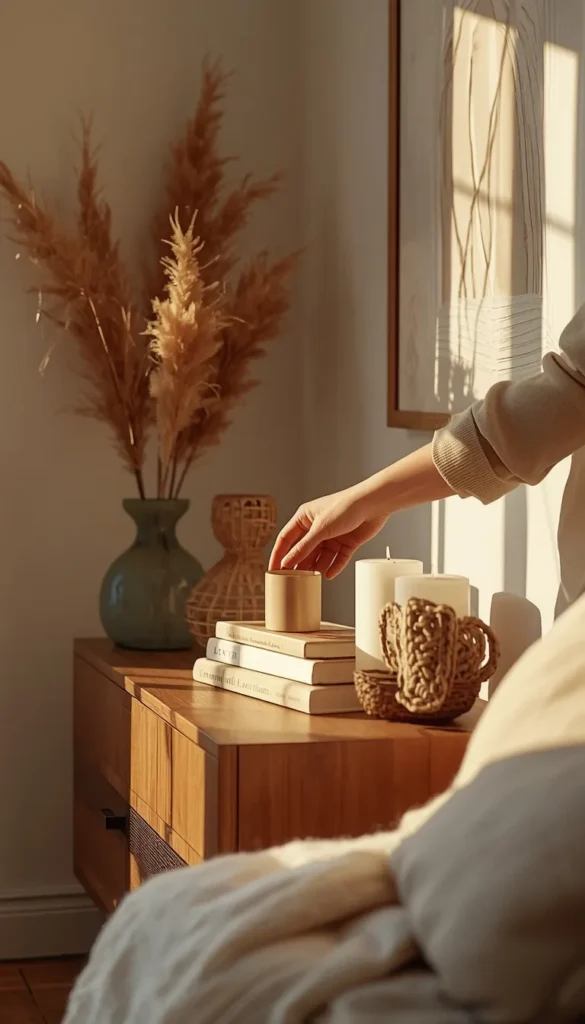
Before you touch a single throw pillow, decide how you want the room to feel. Not what it should look like, how it should feel when you walk in tired at the end of a Tuesday. Calm, cozy, energized, grounded, whatever word fits. I ask every client this question first because it saves them from buying forty things that look great alone and terrible together. A mood word acts like a filter. If a piece doesn’t support it, it doesn’t come home with you.
2. Layer Your Lighting Like a Designer Not a Landlord
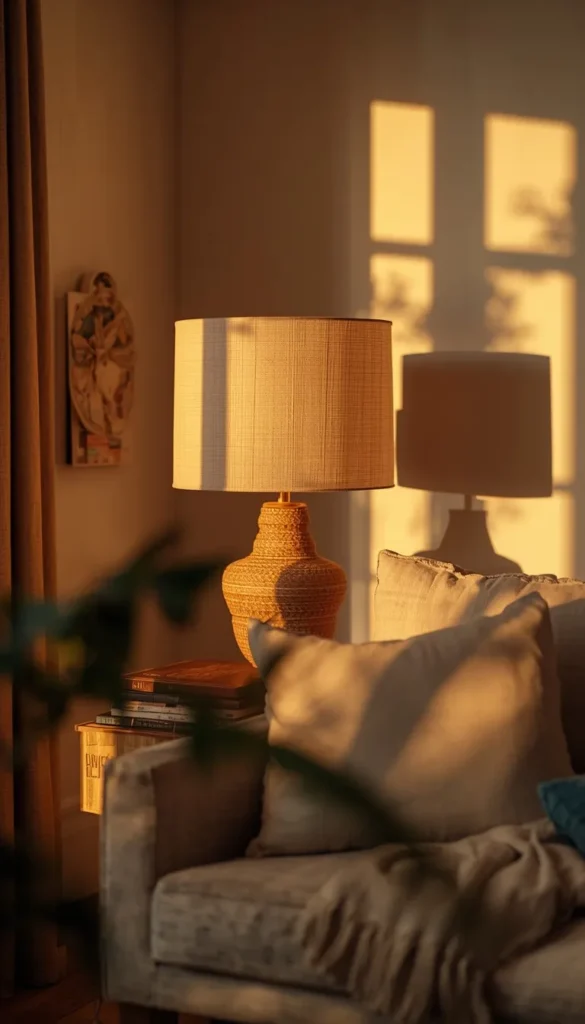
Most homes rely on one overhead fixture, and it shows. Flat, harsh, unflattering. I always tell clients to think in three layers: ambient, task, and accent. A floor lamp in the corner, a table lamp near the sofa, maybe a plug in sconce behind an accent chair. One thing I’ve learned over the years is that a $12 dimmer switch does more for a room’s mood than a $300 light fixture ever will. Layer the light first. Everything else looks better once you do.
3. One Statement Rug One Real Warning
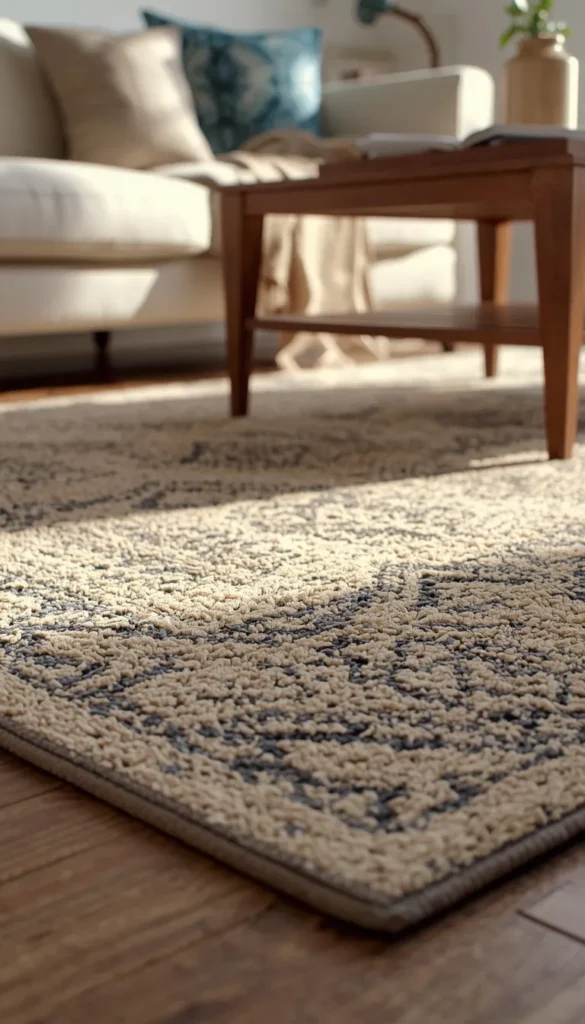
A bold rug can reset an entire living room in an afternoon. It anchors the furniture, adds color without commitment, and photographs beautifully for the gram. But here’s the part nobody tells you: light colored rugs and pets or toddlers are a rough combination. I’ve had clients in tears over a Cabernet stain three weeks after installation. If you have kids or animals, go one shade darker than you think you want, or choose a performance fabric built to hide spills.
- Wool blends hide stains better than jute
- Darker tones forgive daily life
- Performance fiber rugs cost more upfront but save money long term
4. Modern Farmhouse
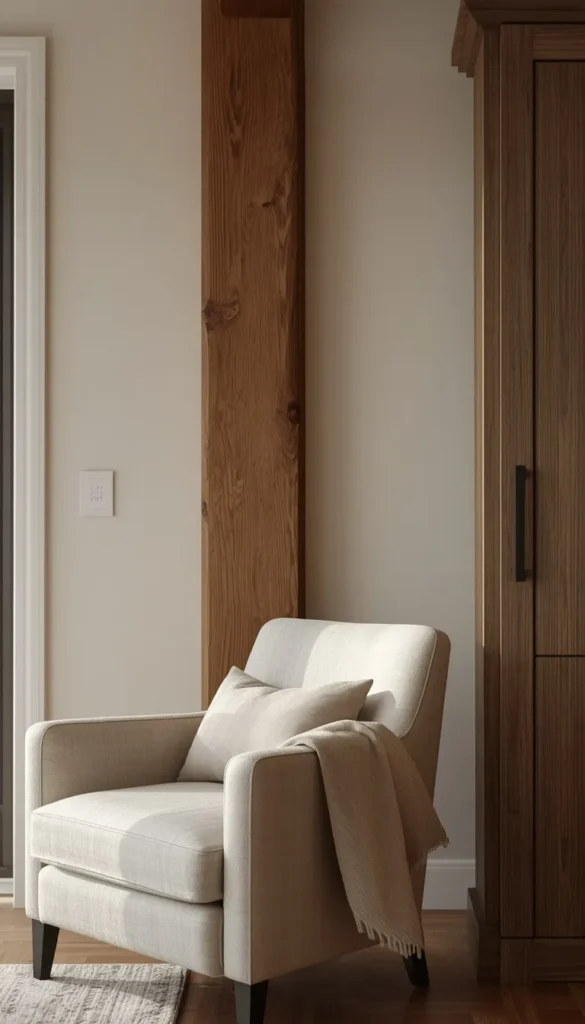
Modern farmhouse got a bad reputation for a reason. Shiplap on every wall, mason jars everywhere, the same barn door in a thousand homes. The version that still works today leans warmer and less literal. Think aged wood tones, matte black hardware used sparingly, and linen textiles instead of burlap. I tell clients to keep one or two farmhouse signatures max, then let everything else feel more like a collected, lived in home than a theme.
Which room in your house needs this refresh the most right now?
5. A Gallery Wall Formula With Actual Math
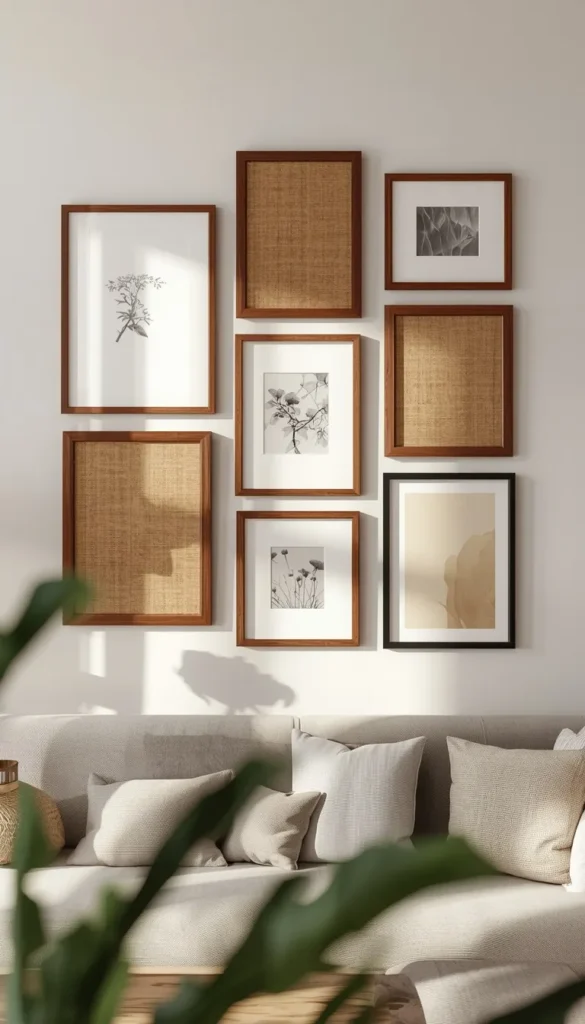
Most DIY gallery walls fail for one reason: no plan. People just start hammering nails and hoping. I use a simple trick with clients now, lay everything out on the floor first, then trace it onto kraft paper taped to the wall before a single nail goes in. Keep two to three inches between frames for a cohesive look rather than a scattered one. Mix frame sizes but repeat at least one color or material across the group so your eye has somewhere to rest.
6. Boho The Edit Not The Accumulation
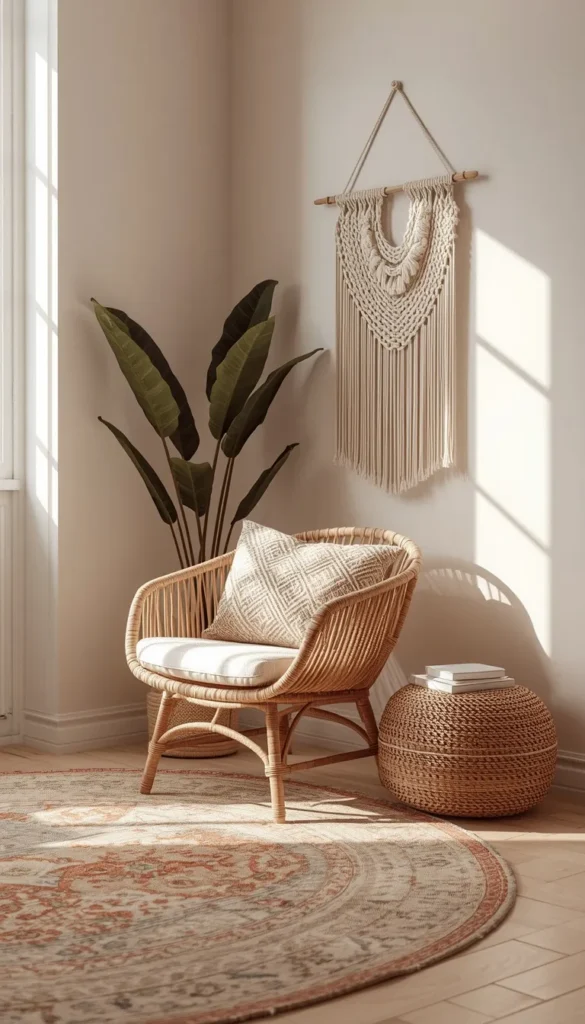
Boho done well feels rich and layered. Boho done poorly feels like a garage sale. The difference usually comes down to editing. Pick three or four textures, maybe rattan, macrame, a vintage rug, and let those repeat instead of piling on ten different ones. A trick I use often is choosing one dominant color family and letting the patterns and textures do the rest of the work. Restraint is what actually reads as intentional here.
Top 6 home decor inspo ideas
| Idea | Estimated Price | Maintenance |
|---|---|---|
| Layered Lighting (lamps + dimmer) | $40 to $150 | Low |
| Statement Rug for Living Room | $150 to $600 | Medium |
| Gallery Wall Setup | $80 to $300 | Low |
| Bedroom Bedding Upgrade | $50 to $120 | Low |
| Renter Friendly Wall Solutions | $30 to $200 | Medium |
| New Sofa Splurge | $900 to $2,500 | Medium |
7. Minimalist Does Not Mean Empty
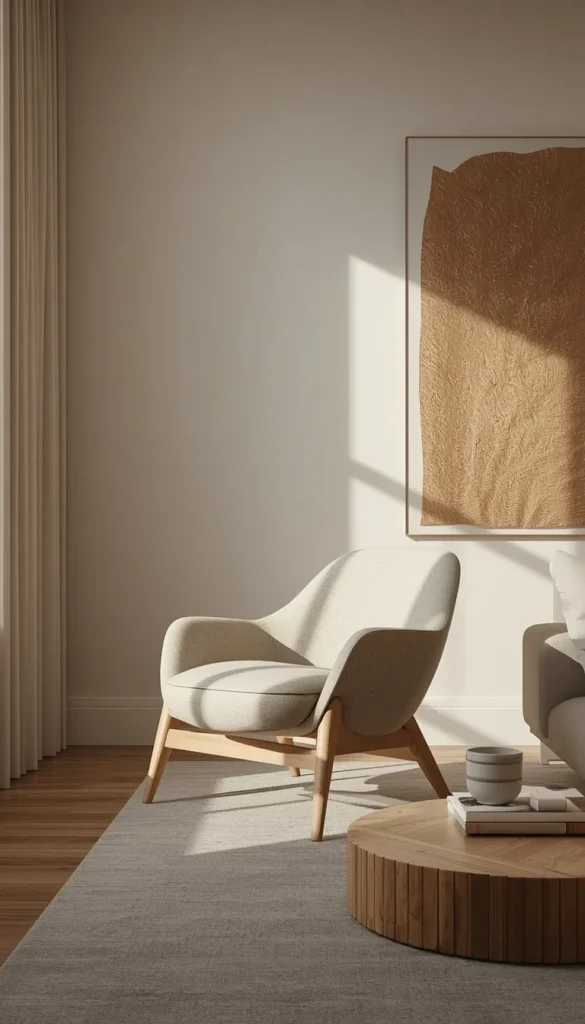
A lot of people try minimalism and end up with a room that feels cold instead of calm. The fix is usually one hero piece. A sculptural chair, a striking piece of art, a beautifully shaped vase. Give the room one thing to look at, then keep everything around it quiet. Minimalism isn’t about having less stuff for the sake of it, it’s about giving the few things you do have room to breathe.
8. The 50 Dollar Bedroom Upgrade
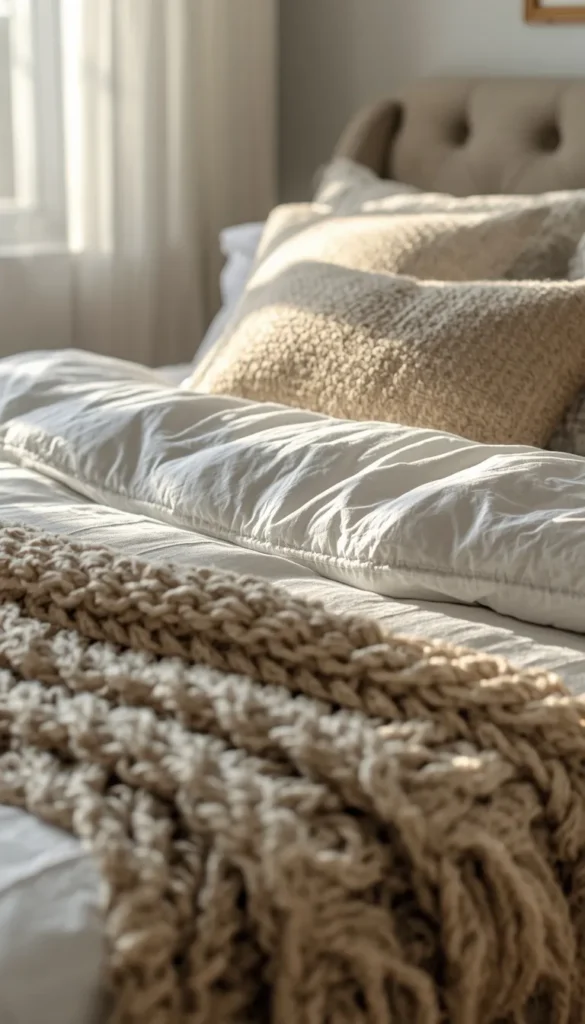
Clients often want to replace their whole bed frame when what the room actually needs is better bedding. A high thread count duvet cover, a few textured throw pillows, and a knit blanket at the foot of the bed can transform a bedroom for under fifty dollars. One thing I watch for is matching everything too perfectly, since a slightly mismatched, collected look almost always feels more expensive than a matched set. Layer textures the way you would in a living room, not just colors.
- Linen or cotton sateen sheets feel elevated without a big spend
- One textured throw pillow beats three flat matching ones
- A chunky knit throw adds warmth instantly
If you could only pick one idea from this list, which one would you try first?
9. Renter Friendly Wall Ideas That Will Not Cost Your Deposit
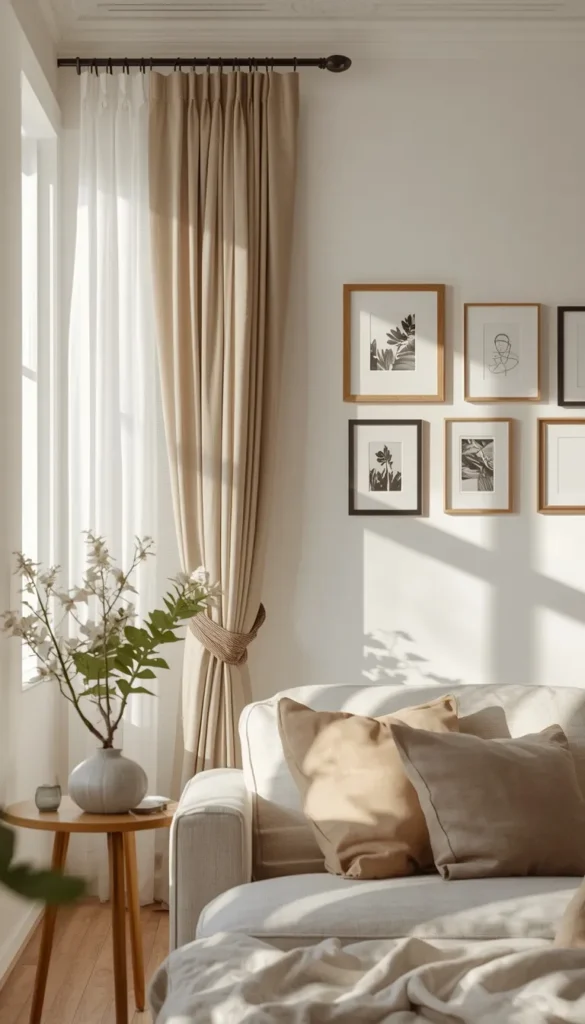
Renting shouldn’t mean bare walls. Command strips have come a long way and can hold surprisingly heavy frames now if you use enough of them. Tension rod curtain rods need zero drilling and still let you hang real drapery. Removable wallpaper is another option, though I’ll be honest, the peel off process varies wildly by brand and some leave a sticky residue behind if you rush it. Test a small patch in a closet first before committing to a whole wall.
10. DIY Projects Worth A Saturday And Two That Are Not
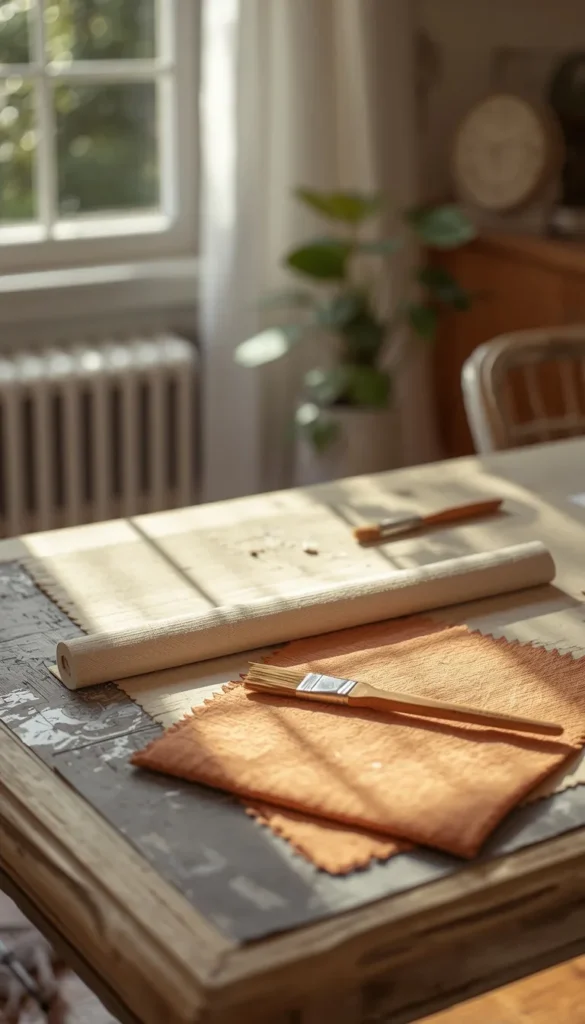
Not every project belongs on your weekend list. Painting a thrifted side table, reupholstering a simple seat cushion, or building a floating shelf are all beginner friendly and satisfying to finish. Skip anything involving electrical work or load bearing changes unless you actually know what you’re doing. I’ve seen well meaning DIYers turn a simple pendant swap into an expensive electrician visit because a wire wasn’t grounded properly. When in doubt, hire it out for anything behind a wall.
11. Budget Decor Where To Splurge Where To Save
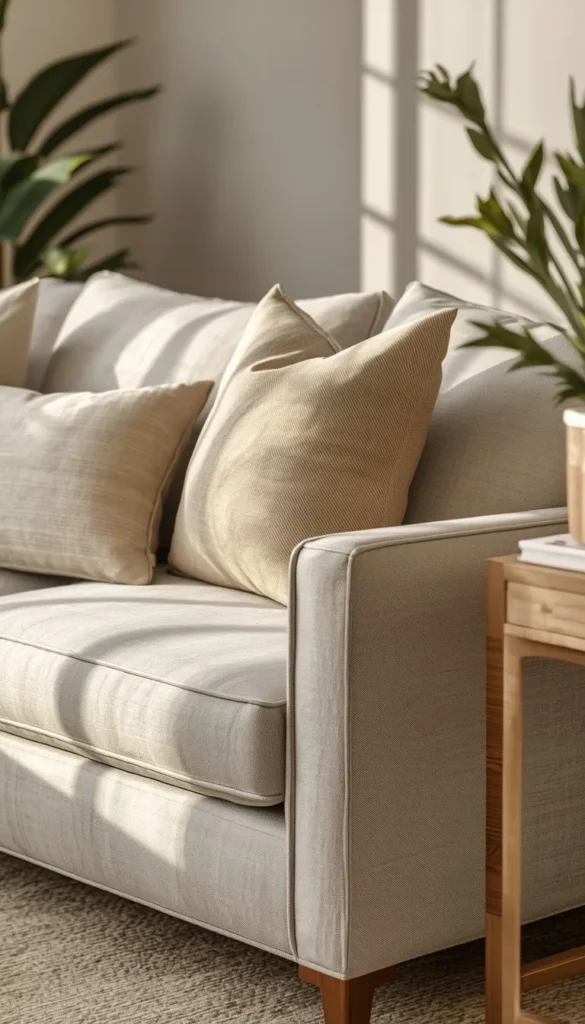
People assume good design means spending everywhere, but it’s really about spending in the right three or four places. I always tell clients to splurge on the sofa, the mattress, and anything you touch daily like door handles or faucet fixtures. Save on things you’ll want to change again soon, like throw pillows, seasonal decor, or trendy accent pieces. A well made sofa can last fifteen years. A trendy accent chair might not survive five.
- Splurge: sofa, mattress, everyday hardware
- Save: pillows, seasonal accents, trend pieces
- Middle ground: rugs and lighting, worth a mid range spend
12. Twenty Minute Seasonal Swaps
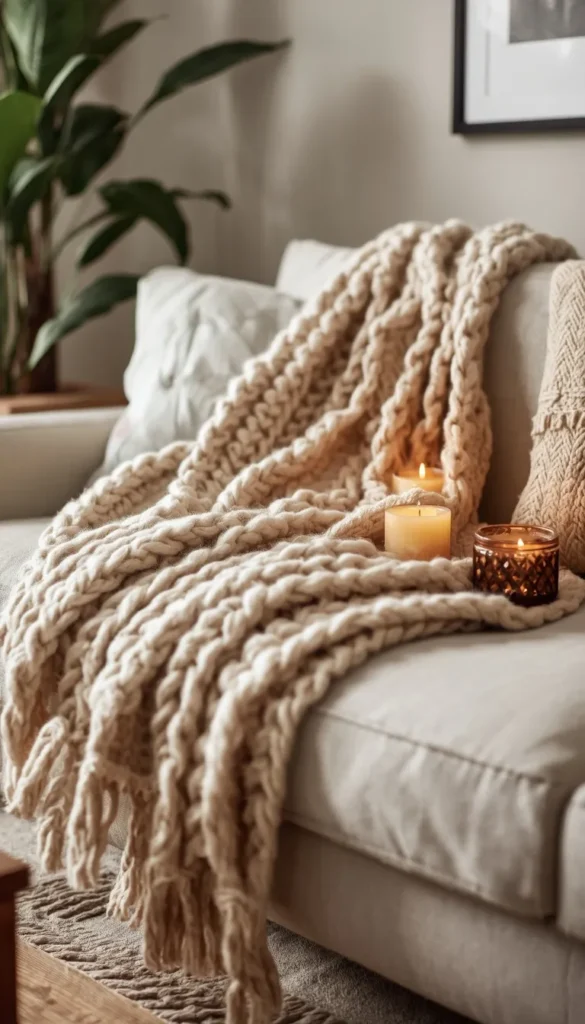
You don’t need a full redecorate every season. Swap your throw pillow covers, switch a lightweight cotton blanket for a chunky knit one, and change out a few candles for warmer scents in fall and winter. In spring, I like clients to bring in one fresh plant and lighter linens instead of buying new furniture entirely. These small swaps take maybe twenty minutes total and keep a home feeling current without any real cost.
Is your biggest struggle the budget, the clutter, or just not knowing where to start?
13. What Is Actually Sticking In 2026 Versus What Is Already Fading
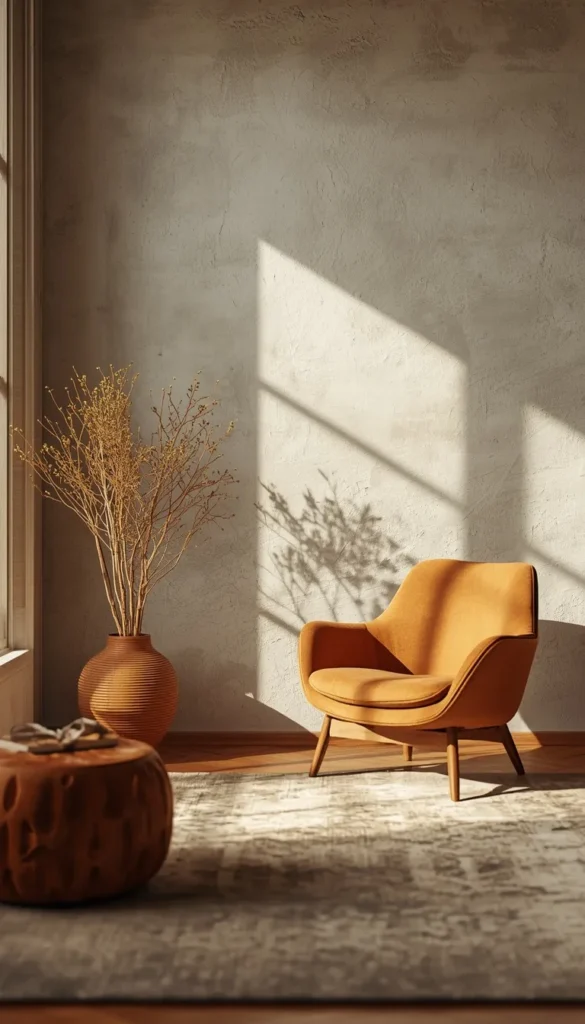
Trend cycles move fast, but some things have staying power and some don’t. Warm wood tones, curved furniture, and textured plaster walls are holding strong going into this year. What’s fading is anything overly matchy, like an all white kitchen with zero contrast, or the heavy industrial look with exposed pipes everywhere. My rule of thumb with clients is simple: if a trend photographs well but feels uncomfortable to actually live in, it won’t last. Comfort always wins out over the long run.
14. Styling Shelves And Coffee Tables So They Do Not Look Staged
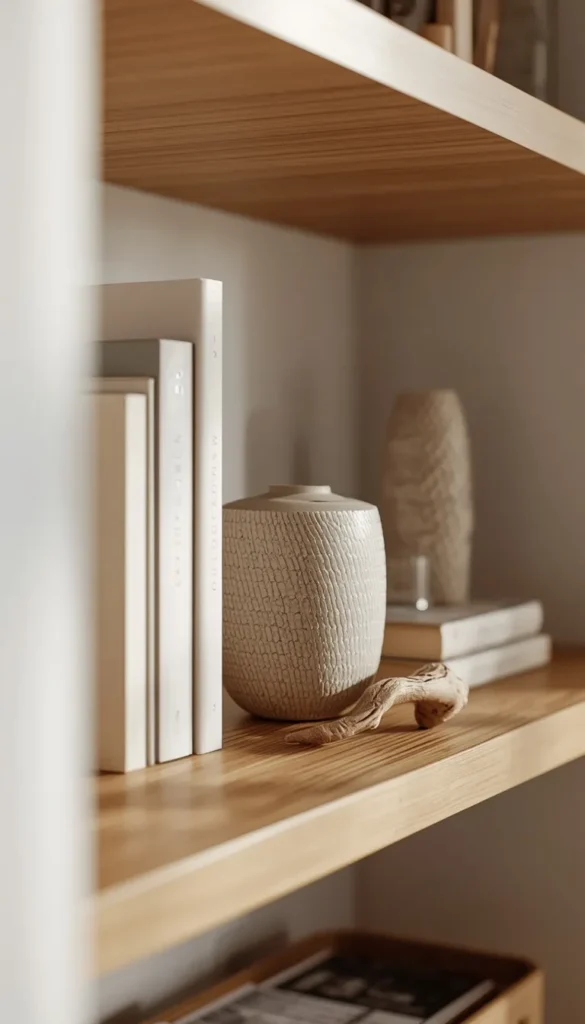
Most people either overload a shelf or leave it looking like a showroom display. The trick is odd numbers and varied height. Group three objects together instead of two or four, and mix a tall item, a medium item, and something flat like a small dish or stack of books. A quick trick I’ve learned is adding one organic object, a plant, a piece of wood, or stone, since it softens everything else around it. Leave some negative space too. A shelf that’s too full reads as clutter no matter how nice the individual pieces are.
15. The One Mistake I See Copied From Pinterest Every Single Time
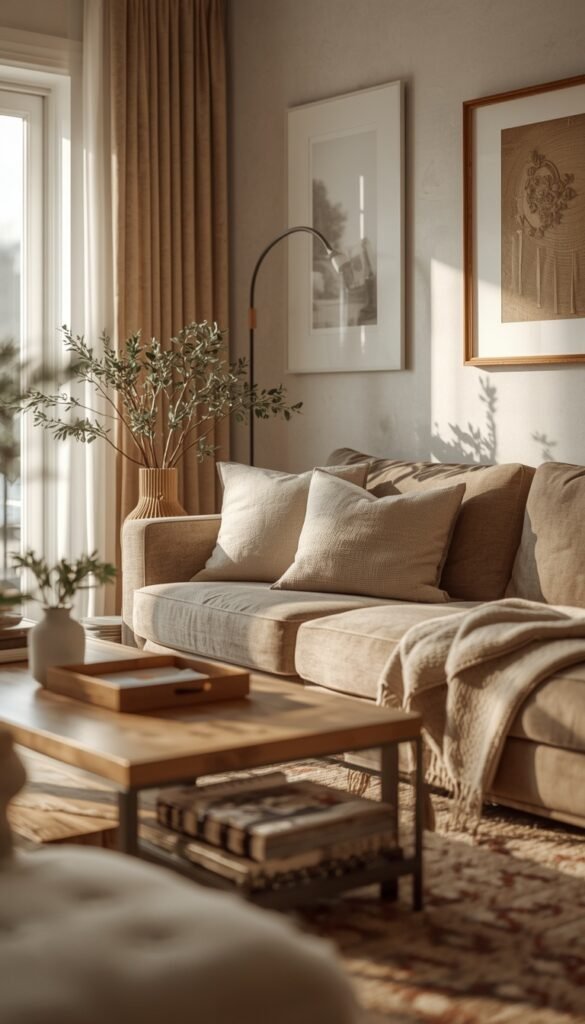
People pin a picture of a room they love and try to recreate it exactly, down to the same rug, same lamp, same art. It never quite works, because that room was built around a completely different space, light, and set of proportions. The better approach is pulling the feeling from an image rather than the literal items. Take the mood, the color balance, the general vibe, and build it around your own room’s quirks. That’s really what home decor inspo should mean in the first place, inspiration, not a copy and paste job.
Which Path Is Yours
By Budget
- Starter Budget: layered lighting, bedding swap, seasonal decor, renter friendly wall ideas
- Mid Range: statement rug, gallery wall, shelf styling
- Investment Piece: new sofa, real wood furniture, performance fabric rug
By Lifestyle
- Busy Families: darker rugs, performance fabrics, low maintenance lighting
- Minimalists: one hero piece, negative space on shelves, quiet color palette
- Small Space or Apartment Living: renter friendly walls, gallery wall instead of new furniture, seasonal swaps over full redecorates
- Design Lovers Who Like To Change Things Often: seasonal swaps, trend conscious accents, budget pieces you can rotate
This should slot in naturally after the main 15 points, before any closing section. Want me to now assemble the complete article top to bottom in one clean document (intro, design notes, 15 points, table, this decision guide, and an ending), or are there more formatting instructions coming first?
Frequently Asked Questions
What is the cheapest way to refresh a room?
Swap your lighting and textiles first. A new lamp, a dimmer switch, and fresh throw pillows cost under $100 combined and change a room more than people expect.
How much does it cost to decorate a living room on a budget?
The average range runs $500 to $1,500 if you keep your existing furniture and focus on rugs, lighting, and accessories. Going full replacement pushes that number much higher.
Is it worth hiring an interior designer for a small refresh?
Not usually, no. For small updates like styling shelves or picking paint colors, a good mood board and some research covers it. Save the designer budget for full room layouts.
What home decor trends are actually worth investing in right now?
Warm wood tones and curved furniture are holding up well this year. Skip anything overly matchy, since those trends tend to fade the fastest.
Can I decorate my apartment without violating my lease?
Yes, easily. Command strips, tension rods, and removable wallpaper handle most wall updates without any drilling or permanent changes.
How often should I update my home decor?
Ideally, small seasonal swaps happen every few months, while bigger pieces like sofas or rugs only need replacing every five to ten years.
Conclusion
Your home doesn’t need a full renovation to feel like yours again. Sometimes it’s one lamp, one rug, one shelf you finally clear off. Pick just one idea from this list and do it this week, even something as small as swapping a throw pillow. You’ll notice the difference faster than you think.
