

You don’t realize how much your stuff is weighing you down until you finally let it go. American homes are bigger than ever, yet we’re renting storage units at record rates something is seriously off. Clutter isn’t just an eyesore; it raises cortisol levels, kills productivity, and makes even a beautiful home feel chaotic. I’ve walked into hundreds of homes across the country, and I can tell you this: the right declutter help doesn’t just clear your shelves it genuinely changes how you feel inside your own space. This guide gives you 15 real, room-by-room strategies that actually work.
My Design Notes
A few years back, I worked with a family in the western suburbs of Chicago lovely couple, three kids under 10, and a beautiful 4-bedroom colonial. On paper, they had plenty of space. But the moment I walked in, I could feel the tension.
The kitchen counters were invisible under layers of mail, school papers, and appliances they hadn’t used in months. The garage hadn’t seen a car in two years. And the master bedroom felt more like a storage unit than a retreat.
In one weekend, my team and I pulled out over 60 garbage bags of donations and trash. We found a brand-new KitchenAid mixer still in the box, three duplicate sets of Tupperware, and a treadmill buried so deep under boxes it had practically become load-bearing.
The before-and-after photos were dramatic. But what I remember most is what the mom said on the last day: “I feel like I can breathe in my own house for the first time in years.”
That’s what real declutter help means. It’s never just about the stuff it’s about getting your life back.
Proven Strategies for a Clutter-Free Home You’ll Actually Love
1. Do a Clutter Audit Before You Touch Anything

Before you grab a single trash bag, walk through your entire home with a notebook. I know it sounds slow, but skipping this step is exactly why most people quit halfway through. You need to see the full picture first not just the obvious piles, but the sneaky clutter hiding in drawers, under beds, and behind cabinet doors.
Identify your three biggest problem zones and start there. Trying to do everything at once is a recipe for burnout, and I’ve seen it happen to even the most motivated homeowners. One thing to watch out for is the “I’ll deal with that later” trap if you’re writing it down, commit to a date right then.
A quick trick I’ve learned: take photos of each room before you start. When motivation dips on day two, those photos remind you exactly why you began.
2. Start With Your Entryway or Mudroom, Not Your Closet
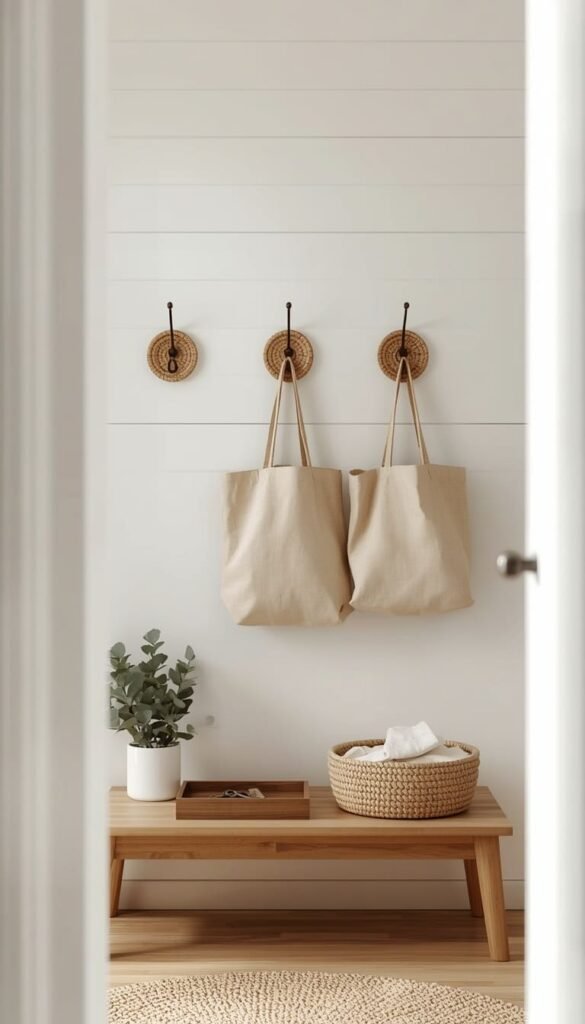
Most guides tell you to start with your closet. I completely disagree. Your entryway is the first thing you see when you walk in, and it sets the psychological tone for your entire home. A calm, clear entry actually makes the rest of the decluttering process feel easier almost like your brain gets permission to relax.
For a functional mudroom setup, keep it simple:
- One hook per family member, nothing more
- A single basket for shoes — not a shoe mountain
- One small tray for keys, mail, and everyday essentials
If your entryway is small, go vertical. Wall-mounted hooks and floating shelves do more work in tight spaces than any floor bin ever will.
3. Use the Zone Method, Not the Room-by-Room Approach

Here’s something I wish more people knew: decluttering room by room sounds logical, but it’s actually inefficient. Items don’t live where they belong they live where they landed. A zone-based approach groups things by function, not location.
Your home has natural zones whether you’ve named them or not a sleep zone, a cook zone, a work zone, a kids’ zone. When you declutter by function, you stop moving the same item from room to room and start making real decisions about where it actually belongs. I tried this method with a client in Austin who had a home office blending into her living room. Once we defined her zones clearly, we cut her clutter in half without throwing away anything she actually used.
This method consistently saves about 40% more time than the traditional room-by-room approach. It sounds like a small shift, but the results feel dramatic.
4. The 15-Minute Daily Reset Rule

Decluttering isn’t a one-weekend fix. It’s a habit. And the most sustainable habit I’ve ever recommended to clients is a simple 15-minute daily reset same time every day, no exceptions.
Set a timer. That part matters more than you think. When you know it ends in 15 minutes, the task stops feeling endless. Pick one zone, work until the timer goes off, and stop. That’s it.
A quick trick here: identify your home’s “landing zones” the spots where clutter naturally piles up. In most American open-plan homes, it’s the kitchen island, the coffee table, and that one chair in the bedroom. Reset those three spots daily and your home will feel consistently tidy even on the busiest weeks.
One thing to watch out for: don’t use this reset time to reorganize. Just return things to where they belong. Reorganizing is a separate project.
Top 6 Declutter Ideas:
| Idea | Estimated Price | Maintenance |
|---|---|---|
| Clutter Audit + Notebook System | $0 | Low |
| Entryway/Mudroom Setup (hooks, bins, tray) | $25 – $75 | Low |
| Kitchen Gadget Purge + Drawer Dividers | $30 – $80 | Medium |
| Closet Overhaul (reverse hanger + file fold) | $0 – $50 | Low |
| Garage + Basement Zone System | $50 – $150 | Medium |
| Weekly Sunday Reset Habit | $0 | Low |
5. Declutter Your Kitchen Like a Professional

American kitchens are gadget graveyards. The average US kitchen holds somewhere between 10 and 20 appliances, and most households use maybe four of them regularly. That pasta maker from 2019? The juicer that’s been “soaking” for six months? It’s time to be honest.
A quick trick I always use with clients is the washi tape test. Put a small piece of tape on every appliance and gadget. If the tape is still there in 30 days, you haven’t used it and you probably don’t need it. It sounds almost too simple, but it works every single time.
One thing to watch out for: don’t buy a single drawer divider or cabinet organizer before you’ve finished the purge. I’ve seen homeowners spend $200 at The Container Store only to realize half their stuff is gone afterward. Purge first, organize second always.
Kitchen decluttering is a full weekend project minimum. Clear your schedule, put on a good playlist, and commit.
6. Free Your Closet Without Spending a Dime

You don’t need a custom California Closets installation to have an organized wardrobe. Some of the most effective closet systems I’ve put together cost absolutely nothing.
Start with the reverse hanger trick turn every hanger backward today. Over the next six months, flip it forward when you wear the item. Whatever is still backward after six months? You don’t wear it, and you likely never will.
For your folded items:
- File-fold everything in drawers vertically so you can see every piece at a glance
- Group by category first, then by color within each category
- Keep your most-worn items at eye level, seasonal pieces up high
One honest thing I’ll say here: capsule wardrobes are beautiful in theory but genuinely don’t work for everyone. If you love variety and color, that’s perfectly fine. The goal is a closet that works for your real life, not a Pinterest board.
Which room in your home feels the most chaotic right now and what’s the one thing you keep putting off doing about it?
7. Tackle the Garage and Basement
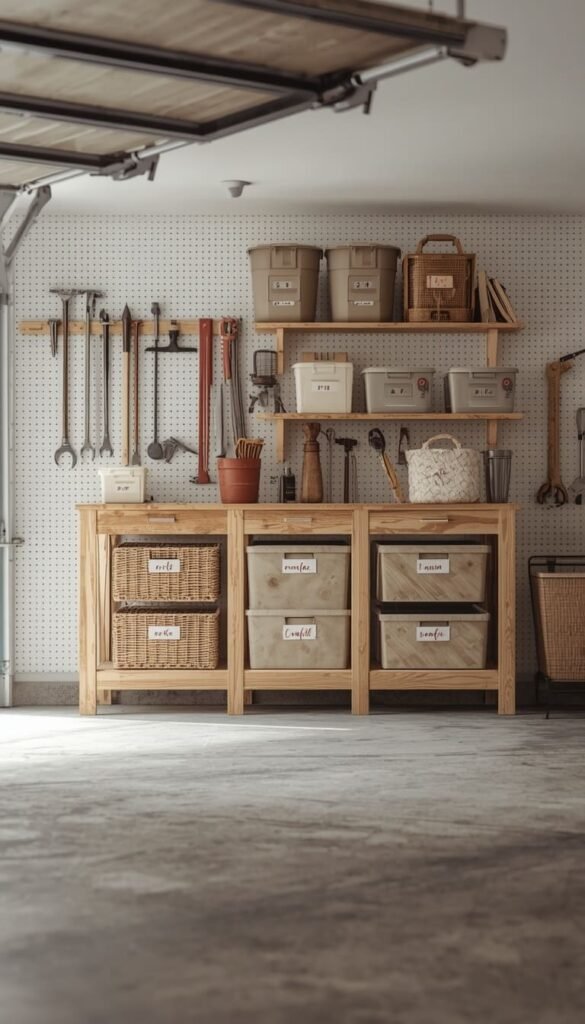
Nobody talks about garages. Every decluttering article skips straight to the linen closet while completely ignoring the fact that the average American garage holds over $1,000 worth of forgotten, duplicate, or broken items.
This is the space that needs the most declutter help and gets the least attention.
Zone your garage into four clear categories:
- Tools and hardware
- Sports and outdoor equipment
- Seasonal items (holiday decor, winter gear)
- Donate and trash
Your basement follows the same logic. The biggest mistake I see is treating these spaces as permanent holding areas for “I’ll deal with it later” items. Later has arrived.
Fair warning though the garage is a two-day project at minimum. Don’t start it on a Sunday afternoon thinking you’ll finish before dinner. Block out a full weekend, rent a dumpster if needed, and bring a friend. It’s a big job, but the payoff is enormous. Clients who tackle their garage almost always say it’s the single most satisfying space they ever decluttered.
8. Digital Clutter Is Real Clutter Too

This one surprises people, but I bring it up with almost every client now. Your digital life is just as cluttered as your physical one and it’s quietly draining your time, money, and mental energy every single day.
Think about it:
- Duplicate photos filling up your iPhone storage
- Email newsletters you haven’t read since 2021
- Streaming subscriptions you forgot you signed up for
- Apps on your phone you haven’t opened in months
A quick trick: spend 30 minutes with Unroll.me to mass-unsubscribe from email lists, and use Google Photos’ built-in duplicate cleaner to reclaim storage fast. For subscriptions, check your bank or credit card statement most people find two or three charges they completely forgot about.
Your physical home and your digital life reflect each other more than you’d think. When both feel clear, the sense of calm is genuinely different. It’s one of those changes that sounds small until you actually do it.
9. Handle Sentimental Items Last, Not First

This is the rule that saves most decluttering projects from falling apart completely. Sentimental items old photos, childhood keepsakes, gifts from people you love are emotionally loaded decisions. If you start there, you will stall. I’ve watched incredibly motivated homeowners sit down with a box of old letters on day one and not move for three hours. The momentum dies, the energy drops, and suddenly the whole project feels impossible.
Save sentimental items for the very end, when you’ve already built confidence making dozens of easier decisions. By that point, your “keep or let go” muscle is warmed up and working.
When you do get to those items, use what I call the one memory box rule. Every person in the household gets exactly one box a real, physical, lid-on box for sentimental keepsakes. Photos, letters, small mementos, whatever matters most. When the box is full, it’s full. If something new comes in, something old has to come out. It sounds strict, but it forces you to keep only what truly means something rather than holding onto everything out of guilt.
One thing to watch out for: this is where purger’s remorse hits hardest. You let something go, and a week later you miss it. My advice before donating sentimental items, take a photo of them. You keep the memory without keeping the physical object. It’s a small thing that makes a surprisingly big difference.
And if you open a box and feel completely overwhelmed, close it. Come back tomorrow. That’s not failure that’s smart pacing.
10. Apply the “One In, Two Out” Rule
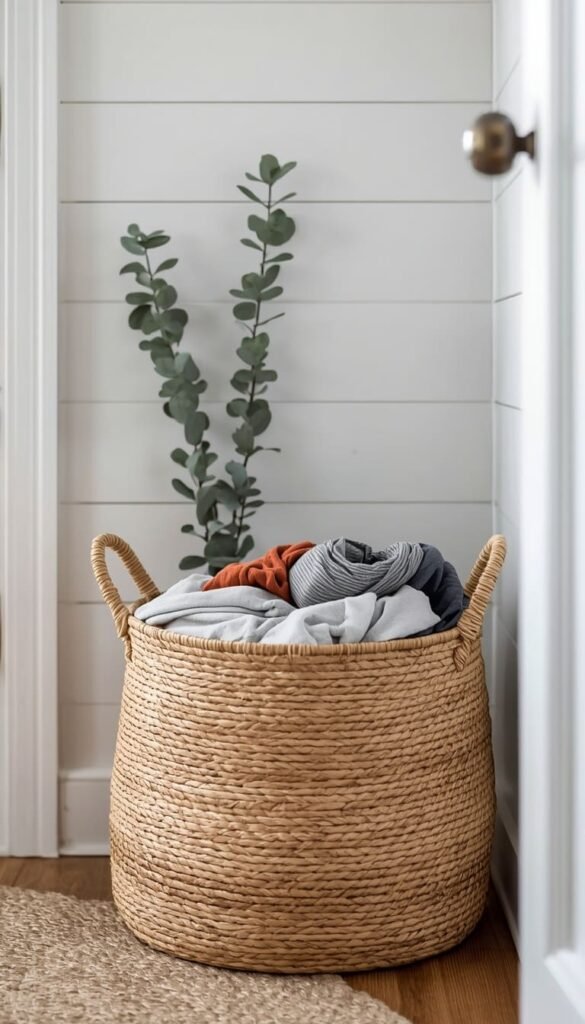
You’ve probably heard of the one in, one out rule. It’s fine, but honestly, for most American households it’s not enough. If your home is already at clutter capacity and most are replacing one item with one item just maintains the problem. You never actually get ahead.
The version I recommend to every single client is one in, two out. Something new comes into the house, two things leave. It sounds aggressive at first. But after a few weeks, it starts to feel completely natural, and you’ll notice your home staying lighter without any big weekend purge sessions.
The trickier part is getting the whole family on board. Here’s how I’ve seen it work best in households with kids:
- Make it a game, not a rule. “We’re getting you new sneakers which two things in your room are ready to go to a new home?”
- Let kids choose what leaves. Control matters to them, and they’re far more cooperative when the decision is theirs.
- Keep a standing donation box in a visible spot a basket in the mudroom or hallway works perfectly. When it fills up, you donate. No scheduling, no big decision-making day required.
For adults, the rule works especially well with clothing, kitchen gadgets, and books the three categories that tend to multiply fastest in American homes. One new cookbook comes in, two old ones go out. Simple, sustainable, and genuinely effective over the long term.
11. Sell Before You Donate and Make Real Money

Most decluttering guides tell you to donate everything. And yes, donating is wonderful but before you load up those bags for Goodwill, spend a few days selling first. Most households I’ve worked with make somewhere between $200 and $800 from a single serious decluttering session. That’s real money, and it’s a powerful motivator to keep going.
Here’s a quick breakdown of where to sell what in the US market right now:
- Facebook Marketplace — Best for furniture, large items, kids’ gear, and appliances. Local pickup means no shipping hassle, and things move fast.
- OfferUp — Similar to Marketplace, great for electronics and mid-sized items.
- Poshmark or ThredUp — Clothing, shoes, and accessories. Poshmark is better for brands; ThredUp is easier if you just want to ship a bag and be done.
- eBay — Best for collectibles, vintage items, niche electronics, and anything with a specific enthusiast market.
One thing to watch out for: selling takes real time and energy. List your items, respond to messages, coordinate pickups it adds up. My honest recommendation is to give yourself a firm two-week window. Whatever hasn’t sold by then gets donated immediately, no extensions. The goal is a clutter-free home, not a side hustle that drags on for months.
A quick trick I’ve learned: photograph items in good natural light against a clean background. It takes five extra minutes and consistently gets you 30 to 40 percent more responses. First impressions matter even in a Marketplace listing.
And honestly when was the last time you walked into your home and felt genuinely calm?
12. Build a Weekly Maintenance Habit That Actually Sticks

Here’s the part every single competitor article skips entirely what happens after the big declutter? You spend a weekend transforming your home, it looks incredible, and then three months later it’s crept back to exactly where it started. I’ve seen it happen more times than I can count, and it’s not a willpower problem. It’s a systems problem.
The solution is a weekly maintenance habit, and the one I recommend most is what professional organizers call the Sunday Reset. It doesn’t have to be Sunday pick whatever day feels like the natural end of your week. Spend 20 to 30 minutes doing a full walk-through of your home’s key zones. Return items to their homes, clear the landing zones, do a quick scan of the kitchen counters and bathroom surfaces. That’s it.
Beyond the weekly reset, I also recommend building a seasonal audit into your calendar just four times a year:
- Spring — Post-winter clothing swap, garage check, outdoor furniture prep
- Back to School (August) — Kids’ rooms, school supplies, clothing for new sizes
- Post-Thanksgiving — Pre-holiday clear-out to make room for incoming gifts and decor
- Post-Holiday (January) — The biggest reset of the year, fresh start energy
The homeowners I’ve worked with who build this rhythm into their year almost never need another major decluttering session. The small, consistent efforts compound over time in a way that one big weekend never can. It’s the difference between a home that stays calm and one that cycles through chaos every few months.
Your 2-Minute Declutter Decision Map
By Budget
🟢 Starting Fresh (Under $50)
- Do the clutter audit with just a notebook and trash bags
- Use the reverse hanger trick costs absolutely nothing
- Start a donation box with any spare basket you already own
- Run the 15-minute daily reset with zero supplies needed
💛 Serious Investment ($50 – $200)
- Set up a proper mudroom station with hooks, bins, and a tray
- Buy matching storage baskets for living areas and bedrooms
- Invest in drawer dividers and cabinet organizers after the purge
- Add a pegboard system to your garage for tools and gear
By Lifestyle
👨👩👧👦 Busy Families
- Start with entryway and kids’ rooms first
- Use the one in, two out rule with kids to prevent toy overflow
- Keep a standing donation basket visible in the hallway
- Sunday Reset is non-negotiable build it into your weekend routine
🧘 Minimalists and Empty Nesters
- Go straight to the zone method for maximum efficiency
- Tackle digital clutter alongside physical spaces
- Apply the one memory box rule immediately to sentimental items
- Sell before donating fewer items means higher value pieces worth listing
Frequently Asked Questions
What is the fastest way to declutter a messy home?
Start with trash first literal garbage, expired items, and obvious broken things. One hour of trash removal makes every other decision easier and faster.
How often should I declutter my home?
Ideally, a light reset weekly and a deeper audit four times a year. Most people only declutter when things get unbearable, which is why clutter always comes back.
Is it worth hiring a professional organizer?
Yes, especially if you’ve tried solo and stalled. A single session typically runs $50 $150 per hour and most clients finish in one focused weekend.
What should I declutter first when feeling overwhelmed?
Your entryway or kitchen counters whichever you see most. Clearing a high-visibility surface gives your brain an immediate sense of progress and keeps motivation alive.
How do I stop clutter from coming back after decluttering?
One in, two out every single time something enters your home. Pair that with a 15-minute weekly reset and clutter genuinely stops rebuilding itself.
Conclusion
Your home should feel like a exhale after a long day not another source of stress. You don’t need a perfect plan, a free weekend, or a big budget to start. Pick one shelf, one drawer, one corner today and just begin. I promise that first small win will pull you forward faster than any checklist ever could.
So tell me which room in your home is begging for attention right now? Drop it in the comments, and let’s figure out your first move together.
