12 Tiny She Shed Interior Designs That Look Cozy, Stylish and Expensive
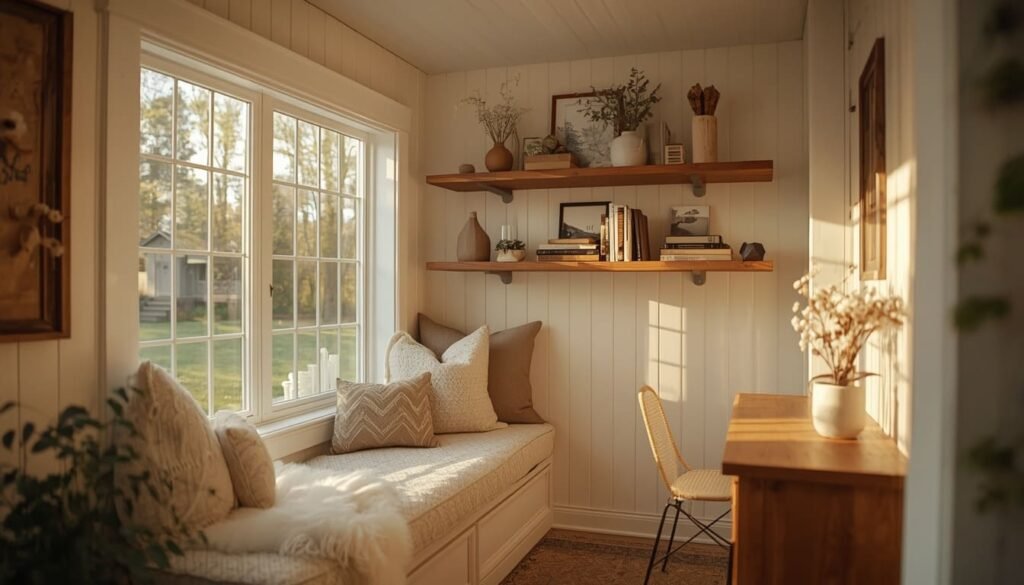
You don’t need a massive backyard or a designer budget to create a space that feels entirely, unapologetically yours. I’ve worked with dozens of homeowners across the US who looked at a forgotten 8×10 utility shed and saw nothing and walked away with a tiny she shed interior that genuinely stopped guests in their tracks. The secret isn’t square footage. It’s intention. Whether you’re dreaming of a cozy reading corner, a focused home office, or a full-on cottagecore escape, these 12 small she shed ideas will show you exactly how to pull it off with real budgets, honest trade-offs, and design choices that look far more expensive than they actually are.
My Design Notes
A few years back, I was called in to consult on a project in suburban Nashville, Tennessee. My client, a watercolor artist and mom of three, had an old 8×10 utility shed sitting in her backyard that she was about to tear down. I convinced her not to. We gutted it, painted every interior surface in Benjamin Moore “White Dove,” and installed a simple wall-mounted IKEA desk that folded flat when not in use. The shed had one south-facing window and zero electrical access so we added a solar-powered skylight panel and layered in battery-operated warm-toned puck lights for evening sessions. Total spend? Just under $400. When we finished, she stood in the doorway and cried. That project changed how I think about tiny spaces entirely. The smallest sheds, I’ve noticed, almost always become the most beloved because when every inch is intentional, nothing feels wasted.
Stunning She Shed Interior Ideas That Make Every Tiny Space Feel Intentional and Expensive
1. The Cottagecore Reading Nook Shed
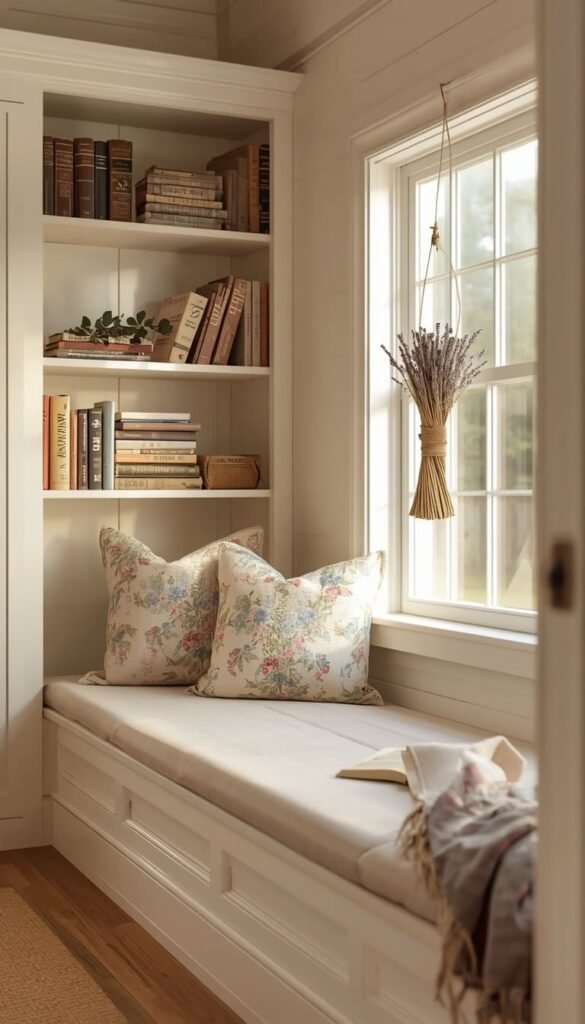
This one is my personal favorite to design, and honestly, it’s the style that converts the most skeptics. There’s something about walking into a tiny shed filled with stacked books, a cushioned window seat, and soft filtered light that makes people forget they’re standing in what used to be a tool storage unit. The cottagecore aesthetic is built on layering and in a small space, that works beautifully.
For the bones, keep your walls in a creamy white or soft sage. Benjamin Moore “Pale Oak” and Sherwin-Williams “Alabaster” are both excellent choices that read warm without feeling yellow. A built-in window seat with storage underneath does double duty seating and hidden organization in one clean piece. Add a small bookshelf along one wall, a vintage-style floor lamp in the corner, and you’re most of the way there.
A quick trick I’ve learned with this style don’t buy everything new. Some of the most charming cottagecore sheds I’ve styled were furnished almost entirely from Facebook Marketplace and local thrift shops. A worn leather journal, a mismatched set of ceramic mugs on a floating shelf, dried lavender hung near the door these details cost almost nothing and do all the heavy lifting aesthetically.
Budget range: $150 to $350 for a full refresh if you’re working with an existing shed.
One thing to watch out for is humidity. Books and moisture are enemies. If your shed isn’t climate-controlled, invest in a small plug-in dehumidifier or a few moisture-absorbing packets tucked on shelves. It’s a $20 fix that saves your entire collection.
2. The Rustic Farmhouse Craft Room Shed
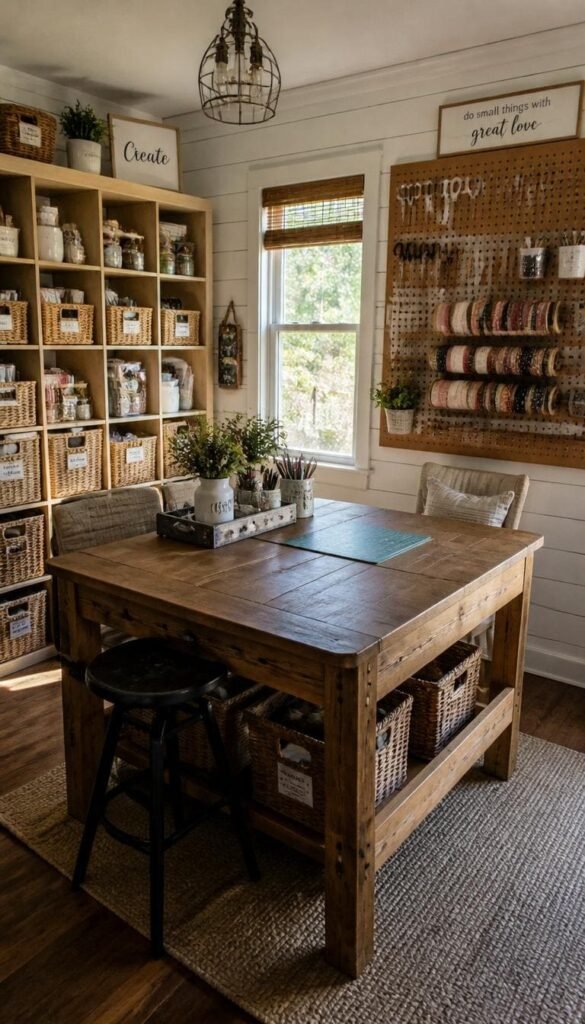
If you’ve got a Cricut machine, a sewing kit, or approximately 47 unfinished DIY projects waiting for a home this design is calling your name. The rustic farmhouse craft shed leans into shiplap walls, open pegboards, and that warm, lived-in feeling that makes you actually want to sit down and create something.
Start with the walls. Real shiplap runs about $1.50 to $2.50 per square foot but peel-and-stick shiplap panels from Amazon or Home Depot work just as well in a shed and cut your cost significantly. Paint it white or leave it natural. Either way, it reads expensive.
Here’s where the function really matters:
- Mount a large pegboard above your main work surface for tools, scissors, ribbon, and supplies — keeps everything visible and within reach
- Use open wood shelving (IKEA IVAR units are perfect) for bins, baskets, and labeled storage boxes
- Add a deep farmhouse-style work table in the center if space allows — even a solid door from Habitat for Humanity ReStores laid across two sawhorses works perfectly
Budget range: $200 to $500 depending on whether you DIY the shiplap or buy panels.
The honest reality with this setup? It can get messy fast. That’s not a design flaw that’s just craft rooms. Build your organization system before you bring in a single supply, and you’ll stay ahead of the chaos.
3. The Japandi Tiny Home Office Shed
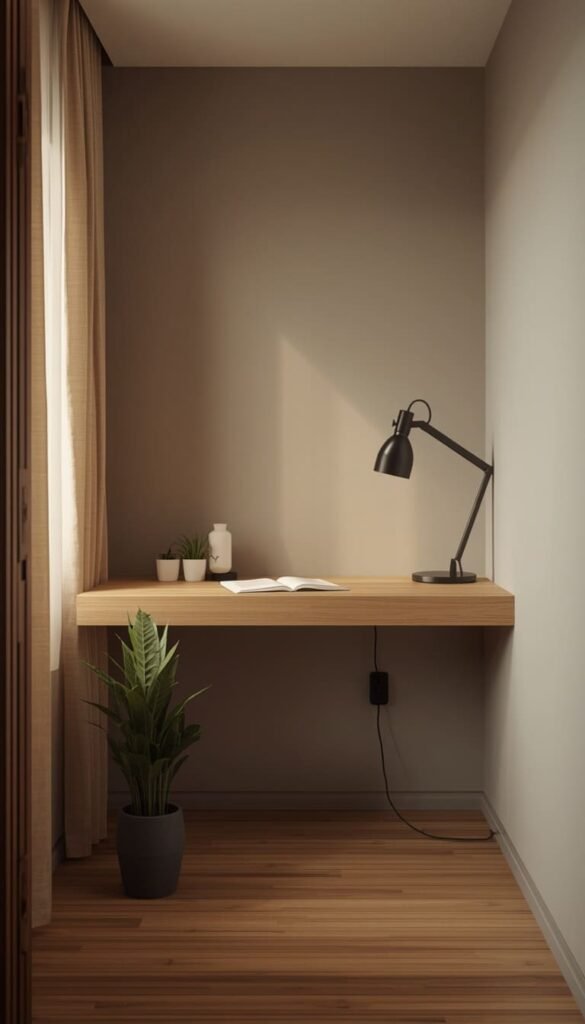
Not everyone wants florals and vintage finds. Some of us want clean lines, a neutral palette, and zero visual noise when we sit down to work. That’s exactly where the Japandi style a blend of Japanese minimalism and Scandinavian warmth earns its place in the tiny she shed interior conversation.
The color story here is simple: warm whites, soft taupes, natural wood tones, and black accents used sparingly. Think a slim floating desk in white oak, a simple linen curtain on the window, and one low ceramic planter on the floor. Nothing more.
A quick trick I always share with clients going this route tackle cable management before anything else. In a tiny space, a tangle of charging cables or a visible power strip will destroy the whole aesthetic. A small cable management box mounted under the desk, combined with a single extension cord run along the baseboard, keeps everything clean and intentional.
Budget range: $250 to $600 (the desk and chair are your biggest investments here don’t cut corners on seating if you’re working 4+ hours a day).
- Natural light is non-negotiable for this style — add a second window if your budget allows
- Stick to one wood tone throughout; mixing too many creates visual clutter
- Keep decor to three items maximum: one plant, one candle, one personal object
4. The Vintage Boho Lounge Escape
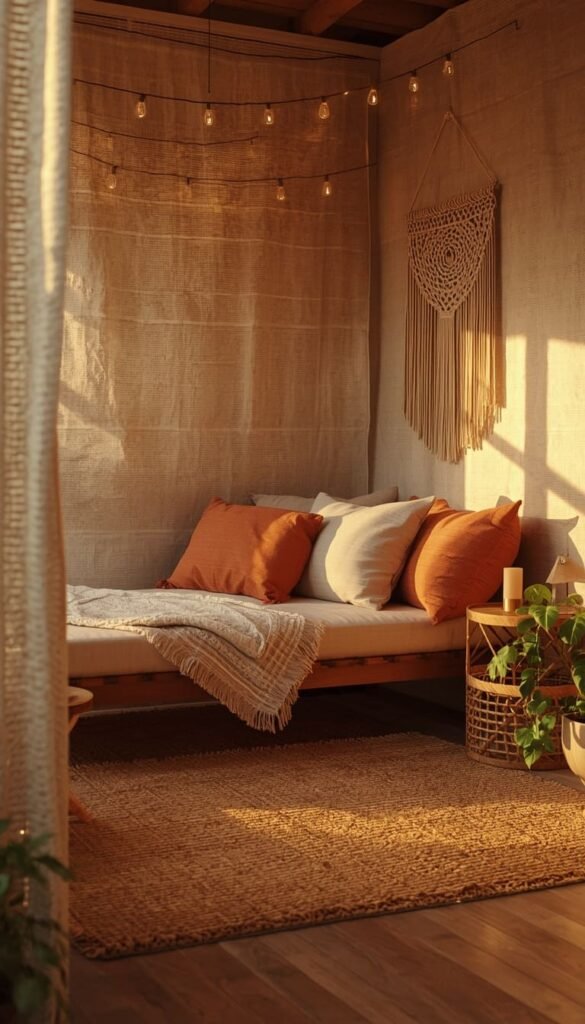
This is the she shed style I see most often on Pinterest and for good reason. It’s warm, layered, deeply personal, and shockingly easy to pull off on a budget. The vintage boho lounge is less about a specific design plan and more about curating a feeling. Relaxed. Collected. Completely yours.
The furniture formula I use for this look: one low seating piece (a loveseat, a daybed, or even floor cushions stacked generously), one natural fiber rug, and at least two different light sources. String lights draped along the ceiling plus a small table lamp create that golden, late-afternoon glow that makes the space feel like it belongs in a travel magazine.
One thing to watch out for with this style is going overboard. Boho has a fine line between beautifully layered and genuinely chaotic. My rule of thumb pick three colors and stick to them. Terracotta, cream, and forest green is a combination that never fails. Everything else, from your macramé wall hanging to your throw pillow covers, should live inside those three shades.
Sourcing tip: Facebook Marketplace, Chairish, and local estate sales are your best friends here. I’ve found incredible rattan chairs, woven baskets, and vintage mirrors for under $30 each. This entire look can be achieved for $100 to $200 if you’re patient and strategic about where you shop.
Top 6 tiny she shed interior ideas:
| Idea | Estimated Price | Maintenance |
|---|---|---|
| Cottagecore Reading Nook | $150 to $350 | Medium |
| Rustic Farmhouse Craft Room | $200 to $500 | Medium |
| Japandi Home Office | $250 to $600 | Low |
| Vintage Boho Lounge | $100 to $200 | Low |
| Modern Farmhouse Office | $300 to $700 | Medium |
| Cozy Yoga and Wellness Pod | $150 to $400 | Low |
5. The Modern Farmhouse She Shed Office
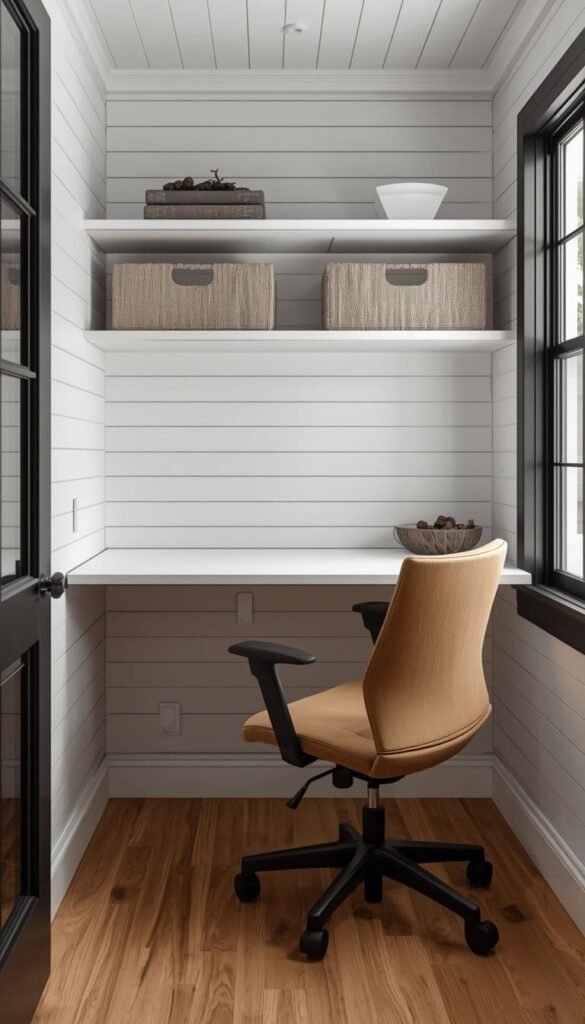
I’ve designed quite a few of these across the Southeast, and every single time, the client ends up spending more time in her shed office than her actual home office. There’s just something about stepping outside, walking across the yard, and closing a door behind you that signals to your brain work mode, activated. The modern farmhouse style makes that transition feel polished and intentional rather than makeshift.
The key with this look is balancing the rustic with the refined. You want shiplap, yes but pair it with a sleek matte black desk lamp, a quality ergonomic chair in a neutral fabric, and clean-lined floating shelves rather than chunky wood brackets. That contrast is exactly what makes modern farmhouse feel elevated instead of just “country.”
For the desk setup specifically:
- A wall-mounted fold-down desk (Murphy-style) is ideal for sheds under 80 sq ft it disappears completely when you’re done working
- Add a corkboard or a slim magnetic whiteboard above the desk for notes and inspiration without taking up floor space
- Keep your printer in a lidded basket or a small cabinet visible office equipment kills the aesthetic fast
Budget range: $300 to $700 depending on whether you run electricity to the shed. And yes if you’re working remotely full time, running power is absolutely worth the $200 to $500 electrician fee. Don’t skip it.
The reality check nobody talks about? WiFi signal. Test your router’s reach before you commit to this setup. A simple WiFi extender ($30 to $50 at Best Buy) solves the problem immediately.
6. The Cottagecore Garden Studio Shed
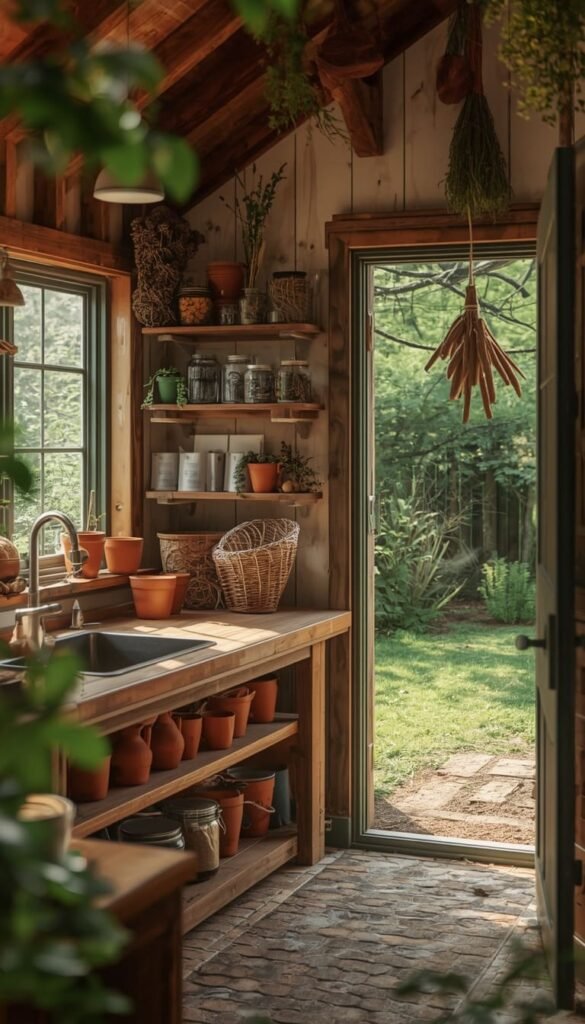
This one sits right at the intersection of practical and absolutely magical. The cottagecore garden studio is designed for the woman who grows her own herbs, collects vintage terracotta pots, and genuinely considers a Saturday morning spent repotting plants to be a perfect day. Sound familiar? Then this tiny she shed interior was made for you.
The layout here is all about the potting bench. A deep, sturdy work surface along one wall ideally positioned beneath a window becomes the heart of the entire space. Above it, run two or three open shelves for seed packets, small pots, and glass jars filled with soil amendments or dried botanicals. It’s functional and genuinely beautiful at the same time.
A Dutch door is one upgrade I push hard for this style. The top half stays open to let in fresh air and birdsong while the bottom keeps pets and debris out. It’s a practical choice that also happens to look like it belongs on a Vermont homestead. Most prefab Dutch door kits run $300 to $600 installed — and they photograph beautifully, for what that’s worth.
One thing to watch out for here is drainage. If you’re bringing soil, water, and plants into a shed regularly, your flooring needs to handle moisture. Sealed concrete, rubber flooring, or even outdoor porcelain tile are all smart choices. A pretty jute rug looks stunning in photos but will mold within a season in a gardening space. I’ve seen it happen more times than I’d like to admit.
Budget range: $200 to $500, not including the Dutch door upgrade.
Which she shed style felt most like you the cozy cottagecore reading nook or the clean Japandi home office?
7. The Glam Feminine Retreat Shed
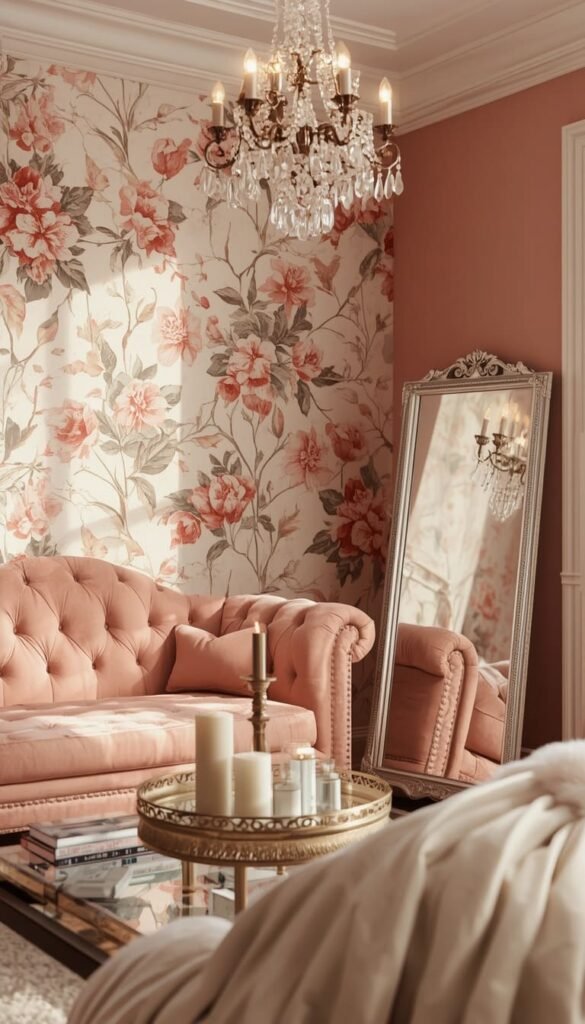
Not every she shed needs to look like it grew out of the forest floor. Some of us want velvet. Some of us want a gilded mirror and a chandelier and zero apologies about it. The glam feminine retreat is exactly that and in a tiny space, a little glamour goes an incredibly long way.
The trick to making glam work in a small shed is restraint in quantity but boldness in quality. One statement piece a small crystal chandelier, a tufted velvet loveseat in blush or deep emerald, or an ornate vintage vanity mirror anchors the entire room. Everything else stays soft and simple so that one piece can truly sing.
Color palette options that work beautifully here:
- Blush pink walls with gold hardware and ivory textiles
- Deep moody navy with brass accents and a white faux fur throw
- Soft lavender with silver fixtures and mirrored decorative trays
A quick trick I’ve learned with this style wallpaper one wall instead of all four. A single accent wall in a botanical or art deco print creates massive visual impact for around $40 to $80 worth of peel-and-stick wallpaper. It photographs like a professional set design.
Budget range: $250 to $600. The chandelier is your splurge item look for vintage ones on Etsy or eBay before buying new. I’ve found gorgeous ones for under $80 with a little patience.
8. The Tiny Art and Craft Studio Shed
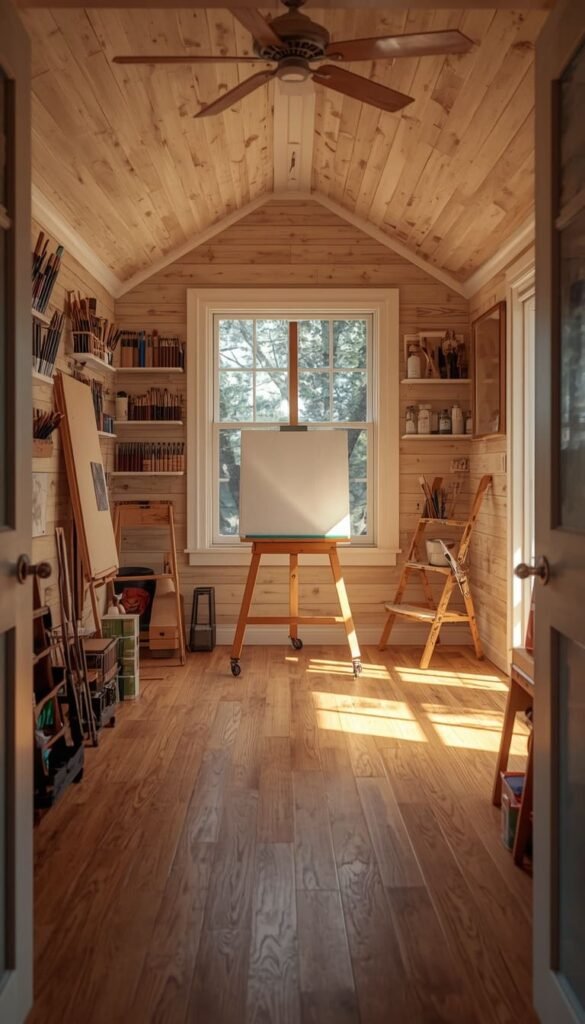
Every artist I’ve ever worked with has the same complaint there’s never enough surface space, and there’s never enough light. The tiny art studio shed solves both problems when it’s designed correctly from the start, and it genuinely becomes one of the most used spaces on the entire property.
Natural light positioning matters more here than in any other she shed style. If you have any choice in where your shed sits or where your windows are placed, prioritize north-facing light for painting it’s consistent, soft, and doesn’t create harsh shadows throughout the day. A single large window on the north wall is worth more to an artist than three windows on the south.
For the layout, keep your floor as open as possible:
- Use wall-mounted supply storage rather than freestanding shelves every inch of floor space counts
- A folding table on wheels gives you a large work surface that tucks away completely when you need to step back and evaluate a piece
- Install a dimmable overhead light plus a focused daylight-spectrum task lamp for evening work sessions
One thing to watch out for is ventilation. If you work with oil paints, spray sealants, or any solvent-based medium, your shed needs real airflow not just a cracked window. A small exhaust fan installed in the wall runs about $40 to $80 and makes the space genuinely safe to work in for extended sessions.
Budget range: $200 to $450 for the studio setup, not including your actual art supplies.
9. The Cozy Yoga and Wellness Pod Shed
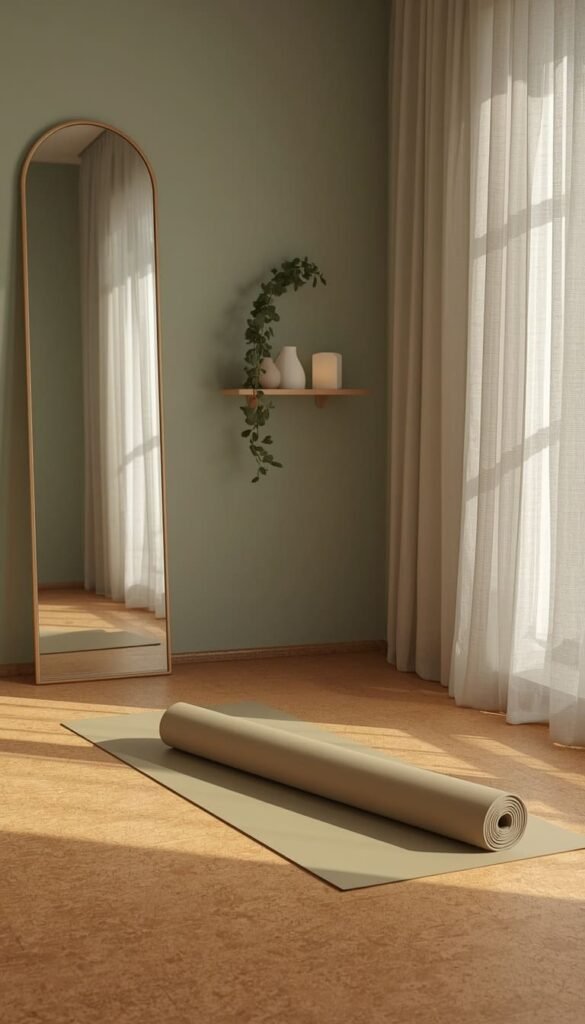
There is something genuinely special about rolling out your mat in a space that belongs entirely to you. No kids walking through mid-pose. No TV noise bleeding in from the next room. Just you, your breath, and four walls that exist purely for your wellbeing. I’ve helped several clients create dedicated wellness sheds, and without exception, they tell me it changed their entire relationship with their practice.
The design philosophy here is simple: subtract, don’t add. This is the one she shed style where less is always more. You want a completely clear floor when the mat is down, which means every single item in the space needs a wall-mounted or overhead home.
A few things that make this layout work beautifully:
- Cork flooring is ideal — it’s warm underfoot, naturally antimicrobial, cushioned for joints, and runs about $1.50 to $3 per square foot installed
- A single large mirror along one wall makes the space feel twice its size and helps with form correction during practice
- A small wall-mounted shelf near the door holds a candle, a small speaker, and an essential oil diffuser — your three-item ritual setup
Color choices matter enormously in a wellness space. Soft sage green, warm white, and pale clay are the three tones I reach for most often. They lower your heart rate just by looking at them — and that sounds like an exaggeration until you experience it firsthand.
Budget range: $150 to $400. This is genuinely one of the most affordable she shed conversions because the entire design principle is built around emptiness.
One thing to watch out for is temperature. Yoga in a shed that hits 95°F in a Georgia summer is not a spiritual experience it’s a health risk. A small wall-mounted mini-split unit runs $700 to $1,200 installed but is worth every cent if you live in a hot climate and plan to use the space year-round. A ceiling fan paired with good cross-ventilation is a workable budget alternative for milder climates.
10. The Budget She Shed Makeover Under $300
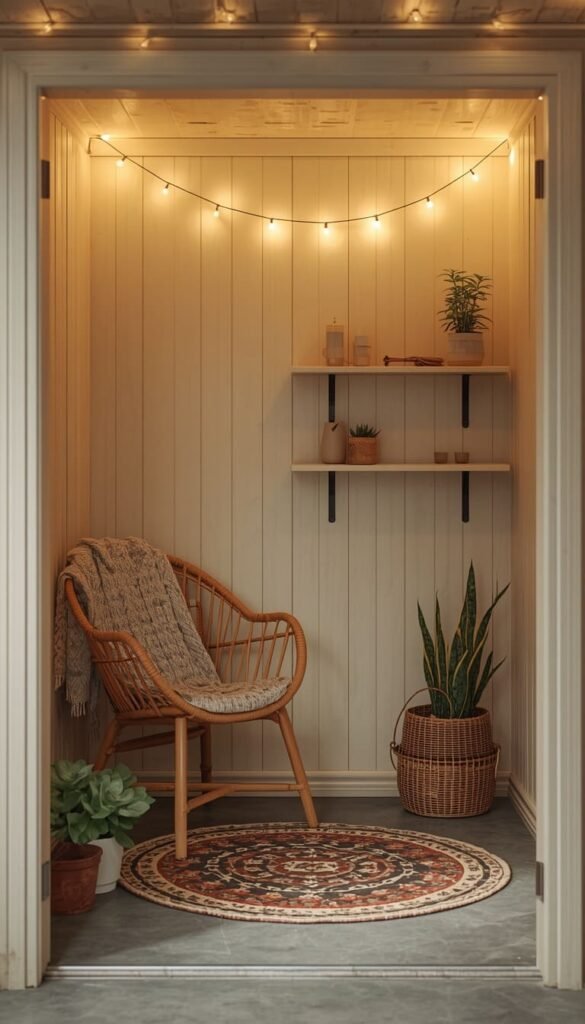
This is the one I get asked about most. Not everyone is starting with a blank check and a Pinterest fantasy board. Some of us have an old shed, $300, and a genuine desire to make something beautiful out of what we already have. Good news it is absolutely possible, and I’ve done it more times than I can count.
The strategy here is paint first, everything else second. A single gallon of quality interior paint ($35 to $55) applied to every interior surface walls, ceiling, even the floor if it’s concrete is the single highest-return investment you can make in any small space. White or warm cream makes a shed feel twice as large and three times as clean.
Here’s a realistic $300 breakdown that actually works:
- Interior paint and supplies: $50
- Secondhand rug from Facebook Marketplace or thrift store: $20 to $40
- String lights (2 sets, warm white): $25
- Floating shelves from IKEA or Amazon: $35 to $50
- Secondhand chair or loveseat: $30 to $60
- Curtain panels for the window: $20 to $30
- Small decor items (plants, candles, baskets): $30 to $50
That’s a complete, styled, genuinely cozy tiny she shed interior for right around $260 to $305. The key is sourcing secondhand for every furniture piece and buying new only for paint and lighting. I’ve walked clients through this exact process and the results consistently look like a $1,200 renovation.
A quick trick I always share clean and declutter your existing shed completely before you spend a single dollar. Sometimes the space is already more workable than it looks once the old lawn equipment and forgotten holiday decor are cleared out.
11. The Dual Purpose Guest Cabin She Shed
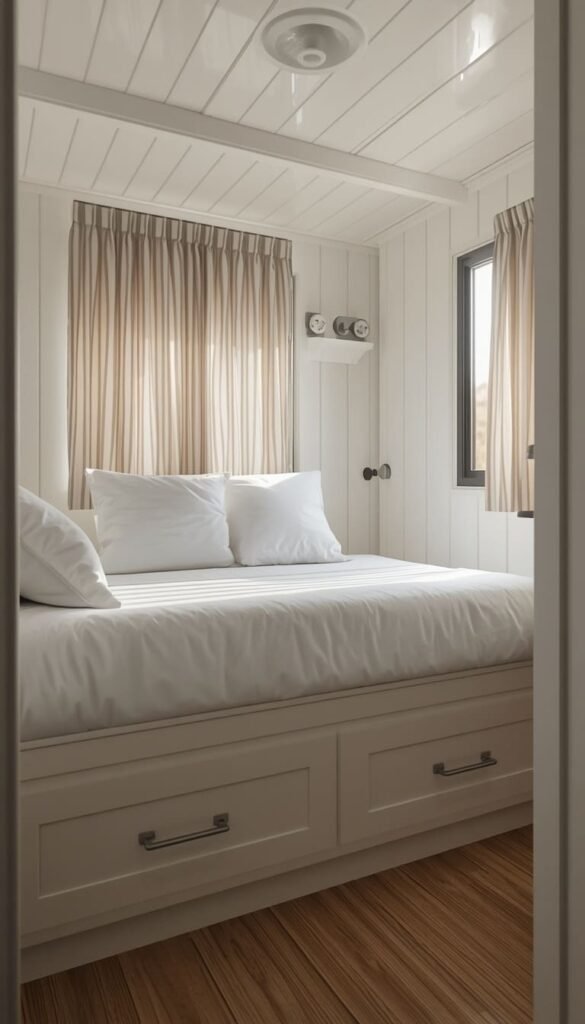
This is the smartest she shed concept on this entire list from a pure value standpoint. A space that serves as your personal retreat Monday through Friday and converts into a comfortable guest room when company arrives? That’s good design doing real work. And in a tiny footprint, it’s more achievable than most people realize.
The secret is in the furniture selection. A daybed is your best friend here it reads as a sofa during the day and functions as a proper twin bed at night without any conversion gymnastics. Pair it with a quality mattress topper, hotel-style white bedding, and two real pillows, and your guests will genuinely feel taken care of rather than accommodated as an afterthought.
For the dual-purpose layout to work smoothly:
- Choose a daybed with built-in storage drawers underneath for guest linens and blankets
- Install a small wall-mounted hook rail near the door for guest bags and coats
- Add a tiny side table with a real lamp — not just a string light — so guests have proper bedside lighting
Privacy matters more in this setup than in any other she shed style. Lined curtains or Roman shades on every window are non-negotiable. Your guests shouldn’t feel like they’re sleeping in a fishbowl. Blackout lining on curtain panels runs about $15 to $25 extra and makes a significant difference in sleep quality.
Budget range: $400 to $900 depending on daybed quality. This is one area where I genuinely advise spending a little more — a cheap daybed frame that creaks or a thin mattress will undermine the entire experience for your guests.
One thing to watch out for is bathroom access. If your shed is far from the house, think carefully about how guests navigate a middle-of-the-night trip inside. A clear, well-lit path with solar stake lights along the walkway is a small detail that makes a big practical difference.
12. The Rental Ready Airbnb She Shed
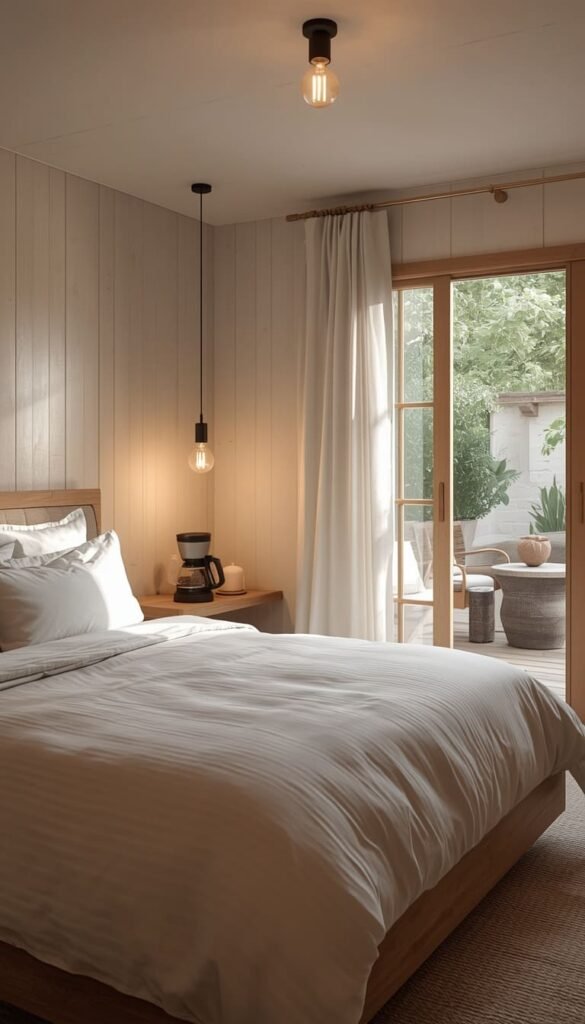
Here’s where your tiny she shed interior stops being just a personal retreat and starts generating actual income. The Airbnb she shed market has grown significantly across the US particularly in markets like Asheville, North Carolina, the Texas Hill Country, and coastal Maine where travelers actively seek out unique, intimate accommodations over standard hotel rooms. A well-styled shed can realistically earn $65 to $150 per night depending on your location and amenities.
The design mandate for a rental-ready shed is different from a personal one. Everything needs to be durable, easy to clean, and universally appealing rather than deeply personal. That means neutral walls, quality bedding in white or soft linen tones, and decor that feels curated but not cluttered.
What guests consistently rate highest in tiny shed rentals:
- A genuinely comfortable bed — this is your single most important investment, full stop
- Good lighting with multiple options (overhead, bedside, and ambient)
- Fast WiFi with the password displayed prominently
- A small coffee station with a real coffee maker, not just instant packets
- Thoughtful outdoor seating directly outside the shed door
One thing to watch out for is the gap between how a space photographs and how it actually functions for a stranger. Test your shed yourself for a full weekend before listing it. Sleep there. Make coffee there. Notice every friction point the door that sticks, the shelf that’s too high, the window that doesn’t lock smoothly and fix them before your first guest arrives.
Budget range: $800 to $2,000 for a rental-ready conversion including bedding, furniture, and small appliances. Most hosts in desirable markets recoup that investment within two to three months of consistent bookings.
Your 2 Minute She Shed Decision Map
By Budget
Starter Shed (Under $300)
- Go with the Vintage Boho Lounge — thrift everything, buy nothing new
- The Budget Makeover Under $300 is your exact roadmap
- Cottagecore Reading Nook works beautifully on a shoestring if you already own books and a chair
- Paint first, decorate second — always
Investment Shed ($300 and Above)
- Japandi Home Office if you work remotely full time — spend on the chair, not the decor
- Modern Farmhouse Office if you want style and serious function together
- Rental Ready Airbnb Shed if you want your investment to pay itself back
- Guest Cabin Shed if you host family regularly — the daybed does double duty year round
By Lifestyle
The Creative and the Maker
- Rustic Farmhouse Craft Room — pegboards, open shelving, deep work surface
- Tiny Art Studio Shed — prioritize north facing light and wall mounted storage
- Cottagecore Garden Studio — potting bench plus Dutch door equals pure magic
The Restorer and the Introvert
- Yoga and Wellness Pod — cork floors, empty space, three decor items maximum
- Cottagecore Reading Nook — window seat, soft lamp, zero notifications
- Vintage Boho Lounge — your books, your candles, your rules
Frequently Asked Questions
How much does it cost to decorate a tiny she shed interior?
The average cost runs between $150 and $600 depending on your style and whether you shop secondhand. Boho and cottagecore looks cost the least farmhouse and glam setups cost the most.
Can I use a she shed as a home office year round?
Yes, but only if you address temperature control first. A mini-split or quality space heater plus a WiFi extender makes it fully functional in any US climate.
What is the best flooring for a tiny she shed?
Cork and vinyl plank are my top two picks. Both handle moisture well, install easily over existing floors, and feel warm underfoot important if you’re spending real time in the space.
Do she sheds add value to your home?
Yes, but modestly. A well-built, finished shed adds perceived value and selling appeal especially in markets where outdoor living space is a priority, like the South and Pacific Northwest.
How do I make a small she shed look expensive on a budget?
Paint every surface first, then add lighting layers. Those two moves alone warm white walls plus layered lighting make any tiny space look intentional and designed rather than thrown together.
Conclusion
Your tiny she shed interior doesn’t need to be perfect before you start it just needs to be started. I’ve watched women transform forgotten, cobweb-filled utility sheds into spaces they genuinely look forward to walking into every single morning, and the one thing every single one of them had in common was that they took one small action first. Clear the shed this weekend. Order a paint sample. Measure the wall where that floating shelf could go. That first step is the whole game. So tell me what style from this list felt most like you, and what’s the one thing standing between you and actually making it happen?