
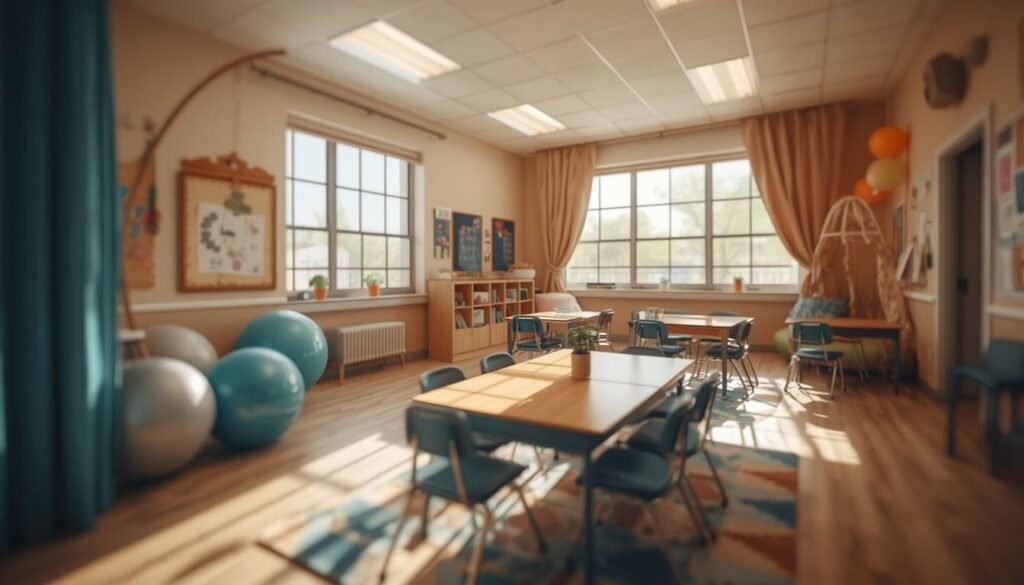
Middle school classrooms are where awkward meets ambitious and the right decor can make all the difference between a room students dread and one they actually want to show up to. I’ve worked with enough secondary teachers across the US to know that this age group is wildly underserved when it comes to classroom design advice. Most decor guides are either too cutesy for 7th graders or too sterile for a space where real learning should feel exciting. These 16 middle school classroom decor ideas are built specifically for grades 6 through 8 practical, budget-aware, and genuinely student-tested.
My Design Notes
Last summer, I was consulting with a 7th grade English teacher in Austin, Texas who had completely stalled on her classroom makeover. She had three overflowing Pinterest boards, a cart full of supplies, and absolutely no cohesion. Pastel boho banners were fighting with neon sports posters, and a bright green rug was somehow involved. We sat down together and rebuilt everything from scratch around a warm neutral and deep teal palette. One strong statement bulletin board, a flexible seating corner in the back, and subject-specific wall art tied to her curriculum. By the time October rolled around, her students were voluntarily hanging out in her room before the bell. That told me everything. A well-designed middle school classroom does not just look good it quietly signals to students that this is a space built for them.
Proven Classroom Design Strategies That Create Stunning Learning Spaces for Middle Schoolers
1. Set the Tone With a Welcoming Classroom Entrance and Door Decor
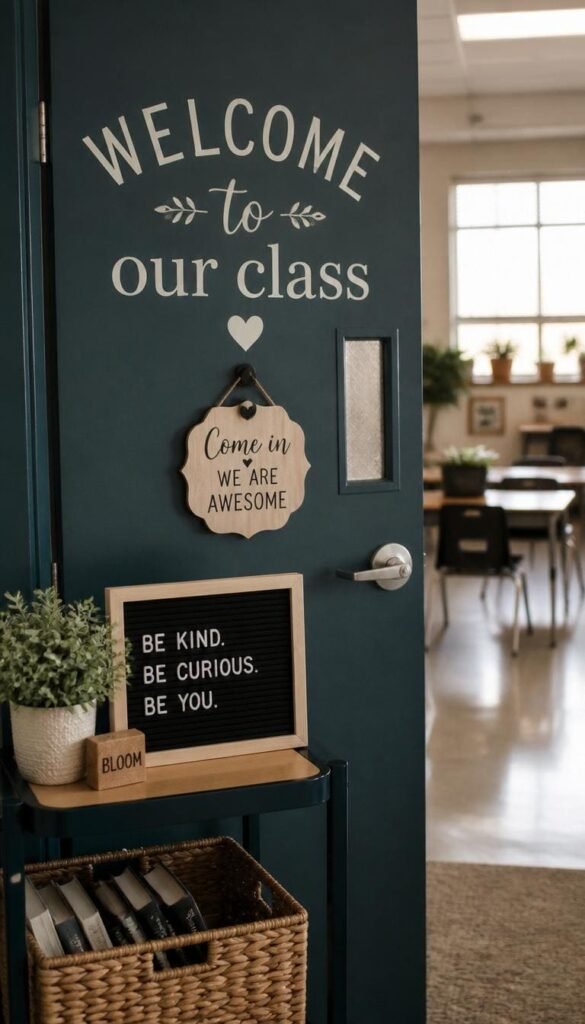
Your classroom door is the first thing students see every single morning. And at the middle school level, first impressions genuinely matter. I’ve seen teachers completely transform the energy of their classroom just by giving that door some attention. A well-decorated entrance signals to students before they even walk in that this is a space worth being in.
Keep it simple but intentional. A bold welcome sign with your name, a seasonal theme swap every few months, and maybe a small motivational quote at eye level for a 12-year-old that’s really all you need. One thing to watch out for is over-decorating the door to the point where it looks chaotic. Middle schoolers notice clutter, and not in a good way.
- Use removable vinyl lettering for a clean, professional look that’s easy to update
- Swap out one seasonal element every 6 to 8 weeks to keep it feeling fresh
- Keep the color palette on your door consistent with your interior classroom theme
2. Build an Accent Wall That Students Actually Notice
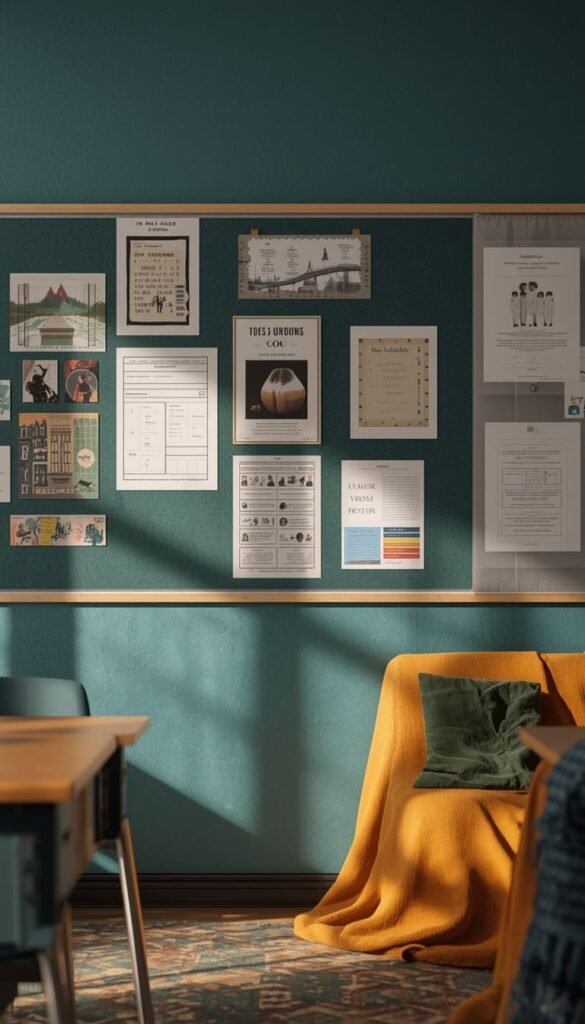
Not every wall needs to do something. But one of them should. An accent wall in a middle school classroom is one of the highest-impact, lowest-effort upgrades you can make and it does not have to cost a fortune. A quick trick I’ve learned is to use a large piece of fadeless bulletin board paper in a deep, rich color as your base and layer printed posters or student work on top of it.
Dark teal, forest green, warm terracotta these colors read as mature and intentional without feeling corporate. Your students will absolutely notice the difference between a thoughtfully designed accent wall and four beige walls covered in random printouts.
3. Use a Color Scheme That Calms Without Being Boring
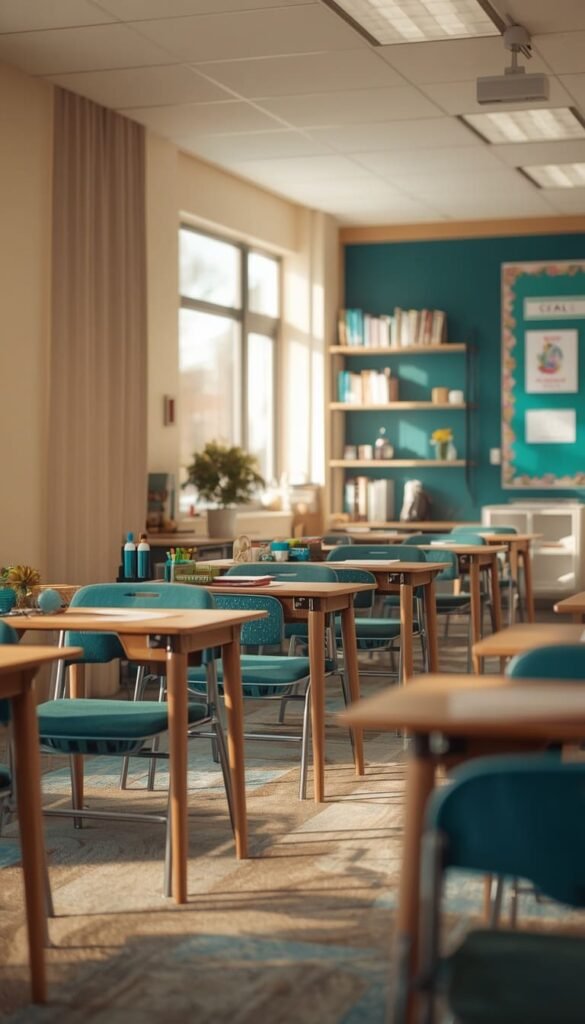
Here is something most classroom decor guides skip entirely: color psychology for the 11 to 14 age group. This is not kindergarten. Bright primary colors on every surface will actually work against you with middle schoolers. What works better is a grounded base palette with one or two intentional pops of color.
My go-to recommendation for secondary classrooms is a warm neutral base think creamy whites, soft tans, or warm grays paired with one accent color that shows up consistently across your bulletin boards, storage labels, and desk accessories. The consistency alone makes the whole room feel designed rather than decorated.
A common mistake I see is teachers buying decor in five different color families because each piece was cute on its own. In person, it reads as visual noise. Pick your palette before you buy a single thing, and stick to it. Your students will feel the difference even if they cannot explain why.
4. Create a Flexible Seating Zone That Earns You Compliments
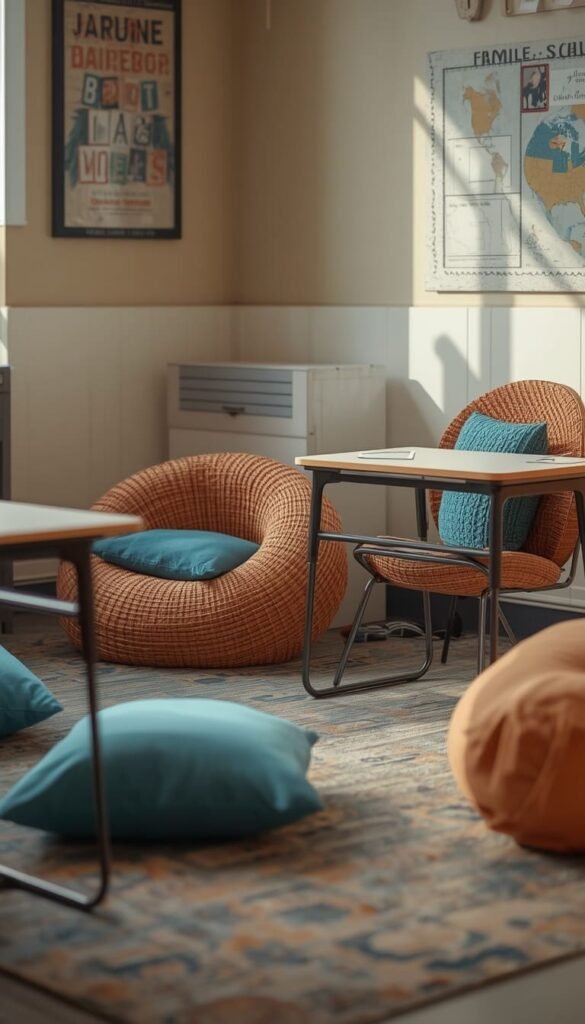
Flexible seating is not just a trend it is genuinely one of the most student-engagement-friendly decisions you can make in a middle school classroom setup. Kids this age are restless by nature. Giving them one corner of the room with seating options that feel different from a standard desk and chair can do wonders for focus and behavior.
You do not need to overhaul your entire furniture layout. Even a small back corner with two or three alternative seating options makes a real difference.
- Stability ball chairs are affordable and surprisingly popular with this age group
- Low-profile floor cushions with a clip-on lap desk work well for independent reading time
- Bungee cord chairs feel “cool” to middle schoolers, which honestly is half the battle
One thing to watch out for with flexible seating is noise. Some seating options wobble stools especially can become a distraction if students are not used to them. Introduce one new seating option at a time and give students a week to adjust before adding another.
Top 6 middle school classroom decor ideas:
| Idea | Estimated Price | Maintenance |
|---|---|---|
| Flexible Seating Zone | $80 to $200 | Medium |
| Reading Nook Corner | $40 to $120 | Low |
| Interactive Bulletin Board | $20 to $60 | Medium |
| Accent Wall Display | $15 to $50 | Low |
| Mental Health Wellness Corner | $25 to $75 | Low |
| Classroom Storage and Labels | $30 to $90 | Low |
5. Design a Reading Nook That Tweens Will Actually Use
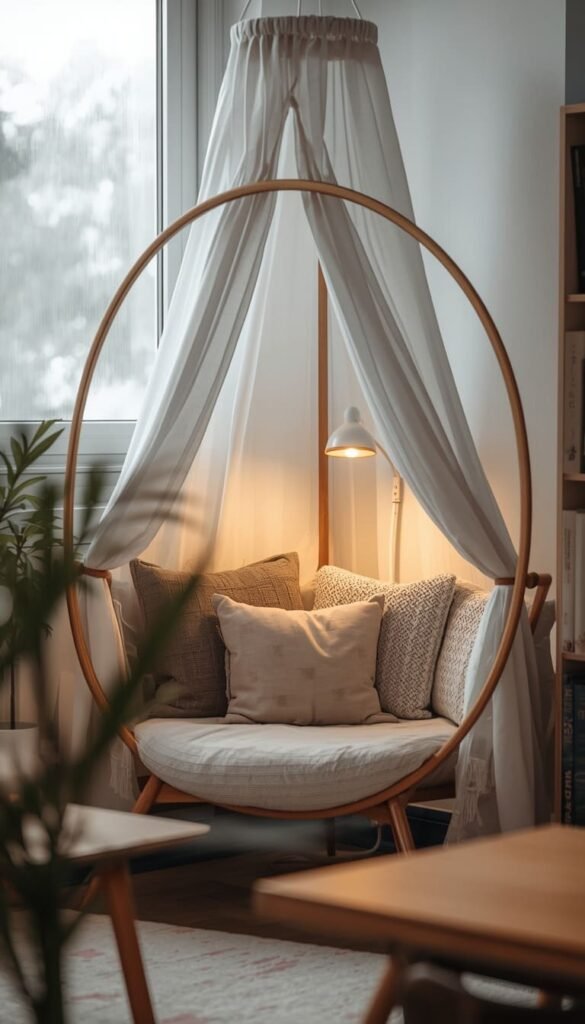
A reading nook in a middle school classroom sounds ambitious, but I promise it does not require a major renovation or a huge budget. What it does require is intention. The goal is to create a small corner that feels distinctly different from the rest of the room a spot where a student can settle in with a book and genuinely forget they are in school for a few minutes.
A hoop canopy, two or three neutral throw pillows, a small side table, and a potted plant is really all it takes. Keep the lighting softer in that corner if you can a small plug-in LED lamp goes a long way. I worked with a 6th grade reading teacher in Ohio who carved out a nook in a corner that was previously just dead space holding an unused projector cart. That corner became the most fought-over spot in her classroom by November.
- Keep the book selection visible and organized by genre or mood rather than alphabetically
- Rotate the pillow covers seasonally to keep the space feeling refreshed
- Add a small “currently reading” display nearby to spark peer recommendations
Which of these ideas feels most doable for your classroom right now the reading nook, the flexible seating zone, or the wellness corner?
6. Hang Classroom Posters That Motivate Without Feeling Cheesy

Middle schoolers have a finely tuned radar for anything that feels fake or forced. Generic “Hang in there!” cat posters will get eye-rolls. What actually lands with this age group is motivational content that feels real, specific, and visually grown-up. Think clean typography, muted or bold color palettes, and quotes from people students have actually heard of.
A quick trick I’ve learned is to mix subject-relevant posters with general mindset content. An English classroom wall that has a powerful Toni Morrison quote next to a well-designed literary devices poster feels cohesive and purposeful. That combination does double duty it decorates and it teaches.
One thing to watch out for is poster overload. When every inch of wall space has something on it, nothing stands out. Curate ruthlessly. Six well-chosen posters will always outperform twenty random ones.
7. Build Interactive Bulletin Boards That Change With the Curriculum
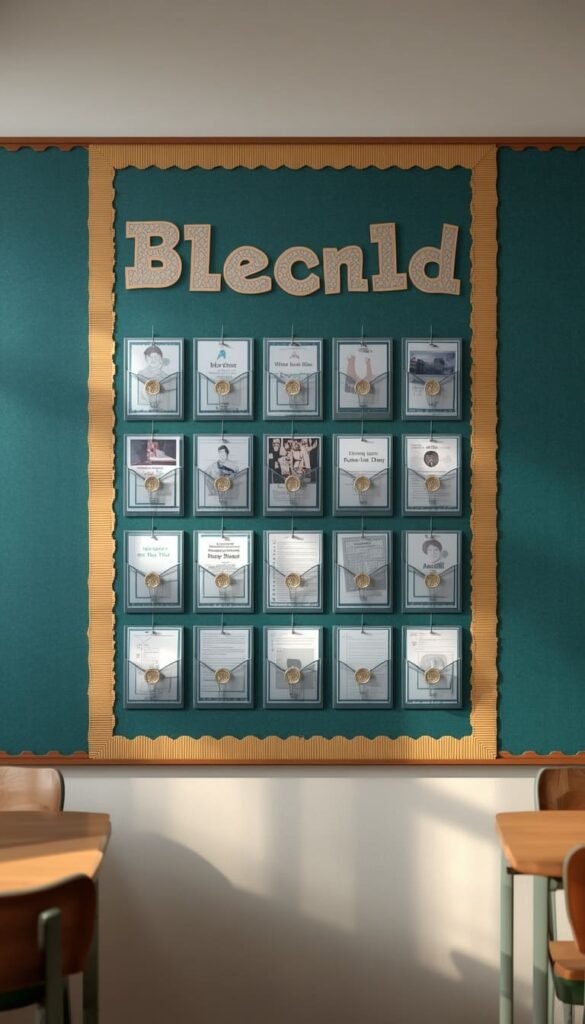
Static bulletin boards that go up in August and collect dust until June are a missed opportunity. Interactive bulletin boards are one of the smartest middle school classroom decor ideas because they pull double duty they look great and they actively support learning. I’ve seen this done beautifully across subject areas, and it genuinely changes how students engage with the walls around them.
The key is building a board with a reusable framework. Design the border, the header, and the overall layout once then swap out the content as your units change. A “Word of the Week” board for English, a “Problem of the Week” for Math, or a current events display for Social Studies keeps things dynamic without requiring you to redecorate from scratch every month.
- Use a pocket chart system so content can be swapped in under five minutes
- Let students contribute to the board ownership drives engagement dramatically
- Laminate your reusable elements so they survive the entire school year
8. Organize With Style Using Labels Bins and Storage That Look Good
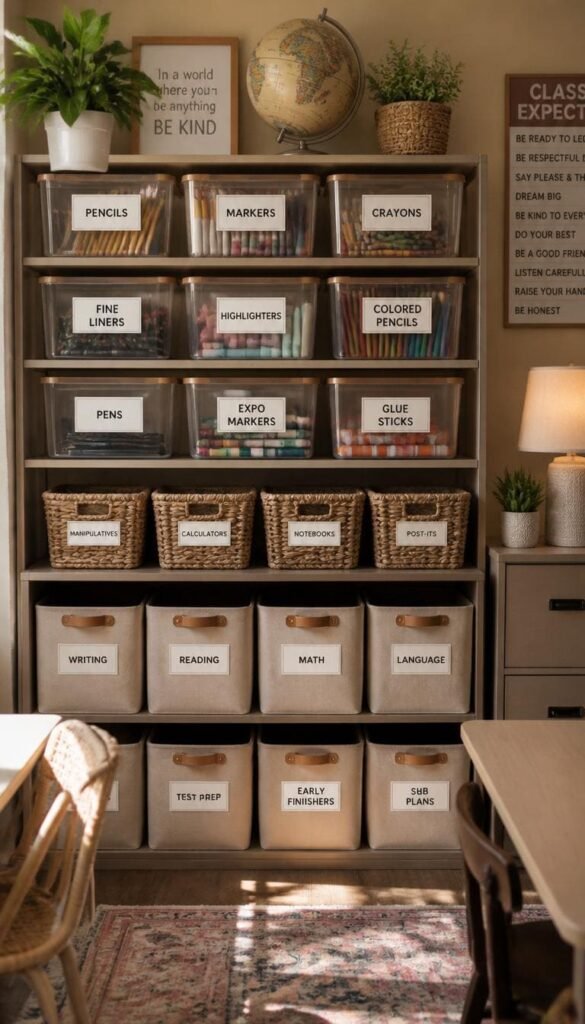
Classroom organization and classroom decor are not two separate conversations at least not in my world. The way your storage looks directly impacts how the overall room feels. Mismatched bins, handwritten labels in different marker colors, and stacks of random paper on every surface will undercut even the most beautiful accent wall you have ever built.
Matching storage bins in your classroom color palette, printed labels with a consistent font, and a designated spot for everything creates a visual calm that middle schoolers respond to better than most teachers expect. This age group actually appreciates order they just need it modeled for them.
A clear system also supports classroom management in a way that saves you time daily. When students know exactly where supplies live and everything is labeled clearly, the “where do I get a pencil” conversation disappears almost entirely. That alone is worth the one afternoon it takes to get organized.
9. Set Up a Teacher Workspace That Inspires You Too
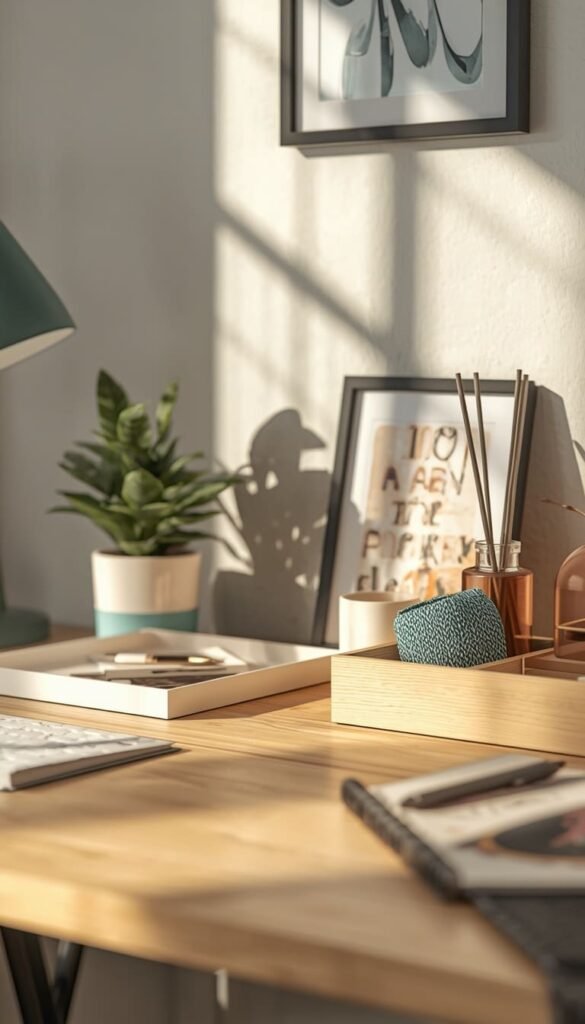
Here is something I feel strongly about and almost nobody talks about your workspace matters just as much as your students’ experience of the room. A cluttered, uninspiring teacher desk sends a subtle message to the whole classroom. When your space looks intentional and cared for, it raises the standard for the entire room without you saying a single word about it.
You do not need a Pinterest-perfect desk setup. What you need is a workspace that functions well and feels good to sit at for seven hours a day. A small plant, a cohesive set of desk accessories in your classroom palette, and a clean cable management solution will get you 80% of the way there.
- A small tray or divided organizer keeps your most-used supplies visible and reachable
- Frame one personal photo or a piece of student artwork to make the space feel human
- Keep a small candle or reed diffuser nearby if your school allows it scent is genuinely underrated for teacher mood
One thing to watch out for is letting your desk become the dumping ground for everything that does not have a home yet. Give every item a designated spot during your initial setup so the desk stays functional all year long.
10. Decorate by Subject for Math Science and English Classroom Ideas
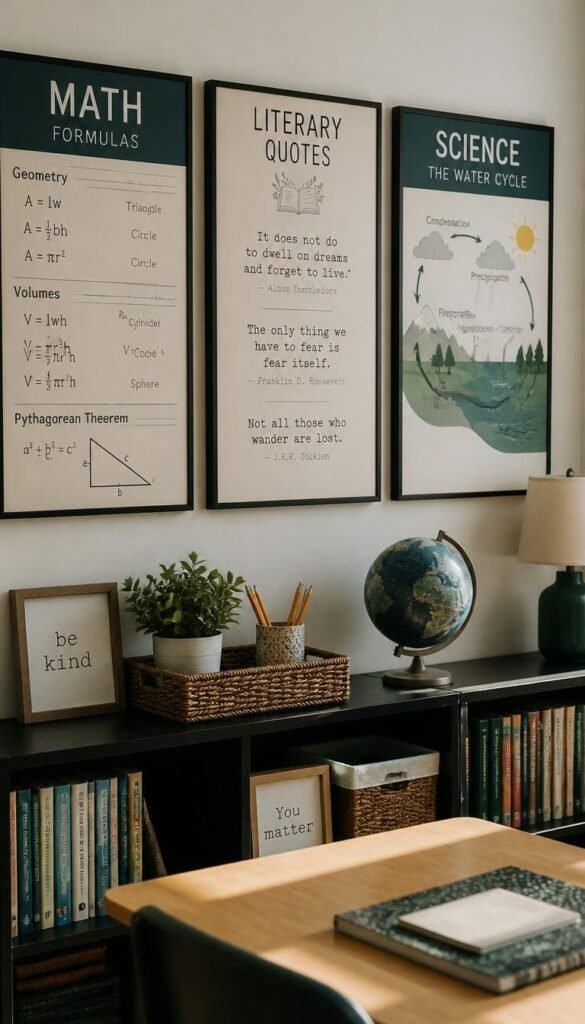
One of the biggest gaps I noticed in every competitor article I reviewed is that nobody talks about subject-specific classroom decor. A middle school Math classroom and a middle school English classroom should not look identical and honestly they should not feel identical either. The decor itself can reinforce the subject culture you are trying to build.
For Math classrooms, think clean lines, geometric patterns, and functional wall displays like number lines, formula references, and that gorgeous black-background periodic-style math clock I have recommended to at least a dozen teachers. For English classrooms, layered textures, literary quote posters, and a visible classroom library create a space that breathes language. Science classrooms come alive with specimen displays, diagram posters, and a dedicated STEM wall that rotates with current units.
The goal is for a student to walk into your room and immediately feel what subject they are about to engage with. That environmental priming is genuinely powerful at the middle school level.
Are you starting your classroom makeover from scratch this year, or giving last year’s setup a fresh update?
11. Use Classroom Wall Decor to Reinforce Learning Objectives
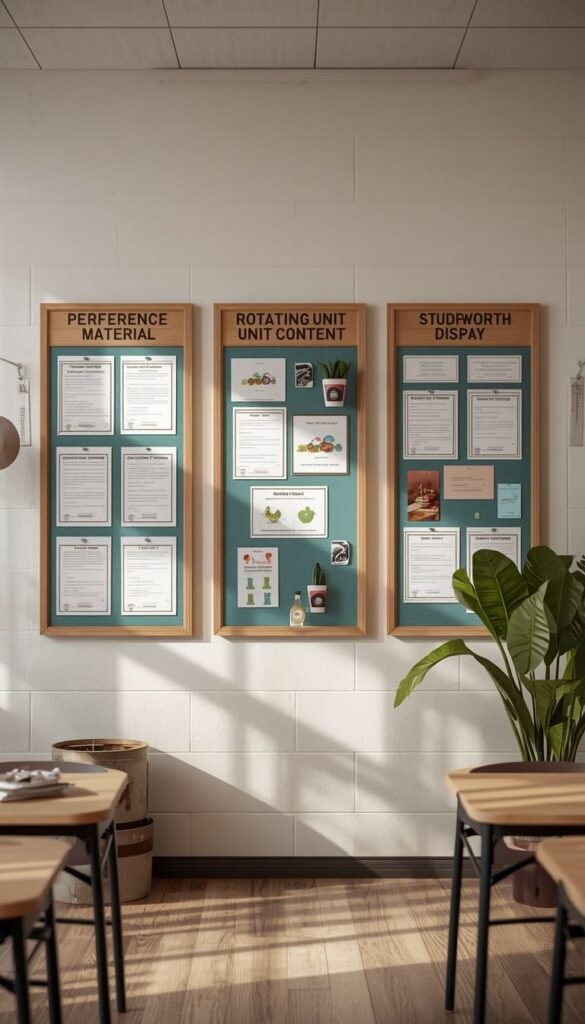
Wall decor in a middle school classroom should work harder than just looking good. Every square foot of visible wall space is real estate and the smartest teachers I have worked with treat it that way. The difference between decorative wall art and educational wall displays is intentionality. One exists to fill space, the other exists to support what you are teaching.
A quick trick I have learned is to divide your wall space into zones. One zone for permanent reference material grammar rules, math formulas, scientific method steps. One zone for rotating unit content that changes with your curriculum. And one smaller zone for student work and recognition that keeps the human element front and center.
- Keep permanent reference displays at eye level for a seated middle schooler, not an adult
- Use consistent framing or mounting styles across your wall displays for a cohesive look
- Avoid laminating everything in glossy finish it creates glare under fluorescent lighting and becomes hard to read
12. Add a Mental Health and Wellness Corner Students Will Appreciate
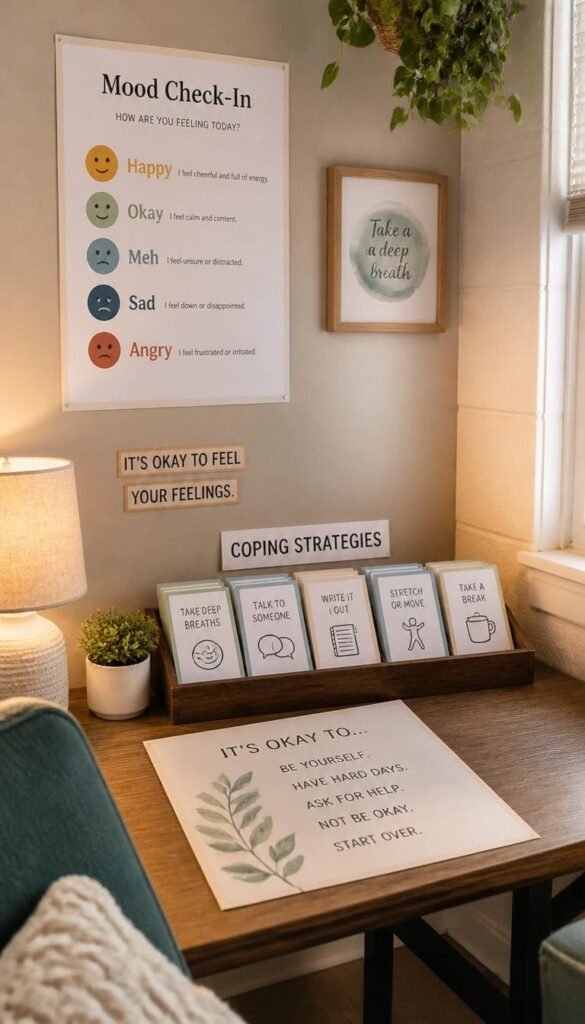
This one matters more than any aesthetic choice on this entire list. Middle school is genuinely one of the most emotionally turbulent periods in a young person’s life, and having a visible, normalized space in your classroom dedicated to emotional wellness sends a powerful message. I have watched this single addition change the entire culture of a classroom.
It does not need to be large. A small designated wall space or corner with a mood check-in chart, a few calming visual prompts, and some simple coping strategy reminders is enough. The key is making it feel warm and approachable rather than clinical. Avoid the cold medical-poster aesthetic instead, keep it visually consistent with the rest of your classroom decor so it feels like a natural part of the space rather than an afterthought.
One thing to watch out for is setting this corner up and never referencing it. The physical space only works if you actively normalize using it. Mention it during the first week, do a quick class mood check-in once a week, and watch students start engaging with it on their own terms by month two.
13. Go Seasonal With Back to School and Holiday Classroom Refresh Ideas
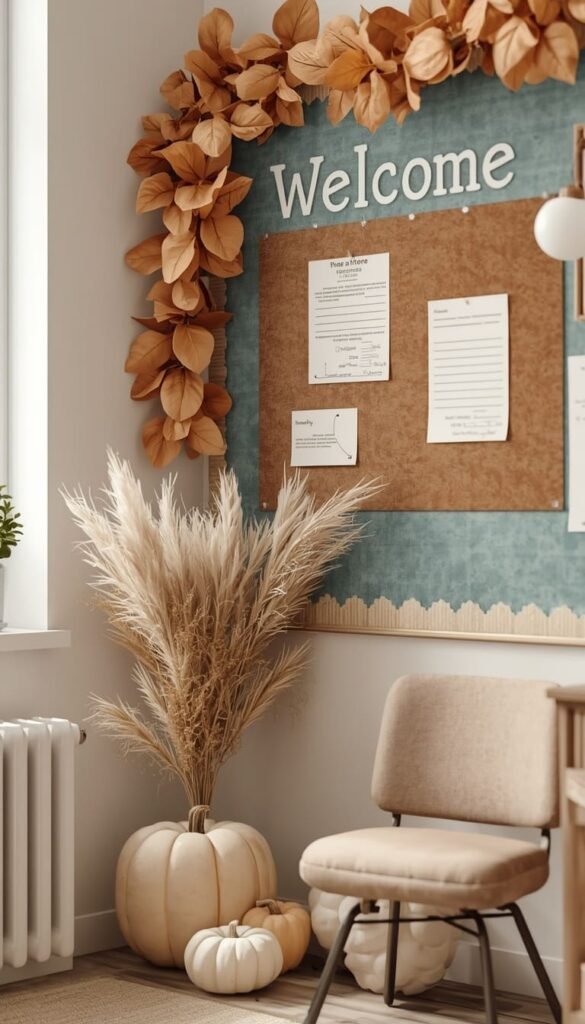
One of the easiest ways to keep your classroom feeling alive all year long is to build a seasonal refresh strategy into your decor plan from the very beginning. I am not talking about covering every surface in Halloween decorations come October. I mean making small, intentional swaps that signal to students that the space evolves just like they do.
The smartest approach is to identify two or three “swap zones” in your classroom during your initial setup. Your door display, one bulletin board, and maybe a small seasonal vignette on a side table or shelf. These are the only spots that change. Everything else stays consistent with your core palette and theme. This way a seasonal refresh takes you an afternoon rather than an entire weekend.
- Back to school season calls for an energizing welcome display that sets your classroom culture tone immediately
- Fall and winter swaps work beautifully with warm neutrals minimal effort, maximum warmth
- End of year displays celebrating student growth are genuinely some of the most meaningful decor a middle schooler will remember
14. Try These Budget Friendly DIY Classroom Decor Hacks
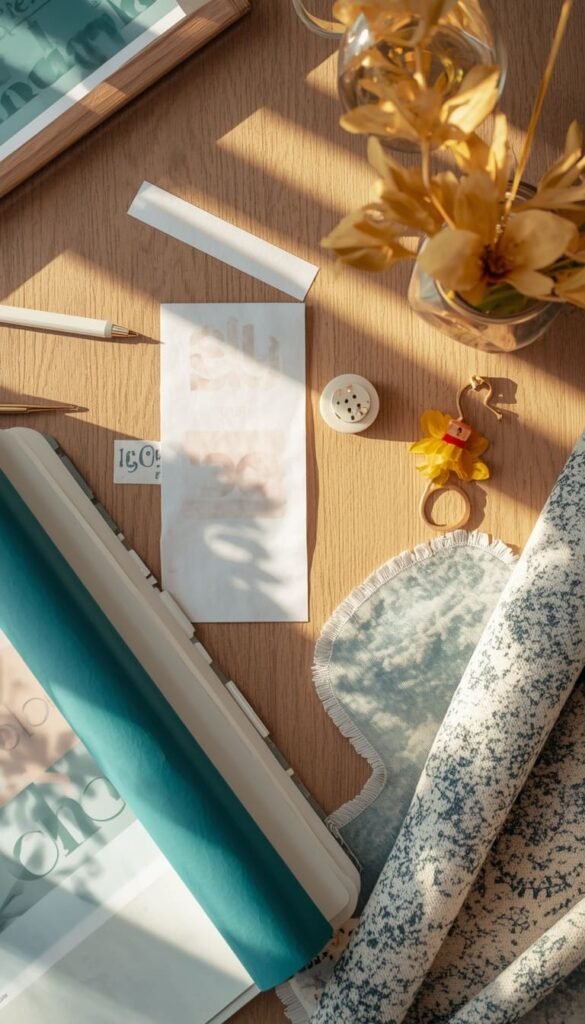
Let me be honest about something the glossy classroom decor accounts never tell you you do not need to spend thousands of dollars to have a beautiful, functional middle school classroom. Some of my favorite classroom transformations I have been part of were done on budgets under $150 total. The secret is knowing where to spend and where to DIY.
Bulletin board paper is one of the best investments you can make. A single roll of quality fadeless paper in a deep, rich color becomes your backdrop for everything else. Pair that with printed digital downloads from Etsy most quality classroom decor bundles run between $8 and $20 and you have a cohesive theme for very little money.
A quick trick I have learned is to shop the dollar section at Target in late July and early August. The back to school haul from that section alone can stock your storage organization, your door decor, and your desk accessories for under $40. Dollar Tree and Amazon basics fill in the rest. Spend your real budget on one or two statement pieces a quality rug, a good lamp for your reading nook, or a set of matching storage bins and DIY everything around them.
15. Pick a Classroom Theme That Grows With Your Students All Year
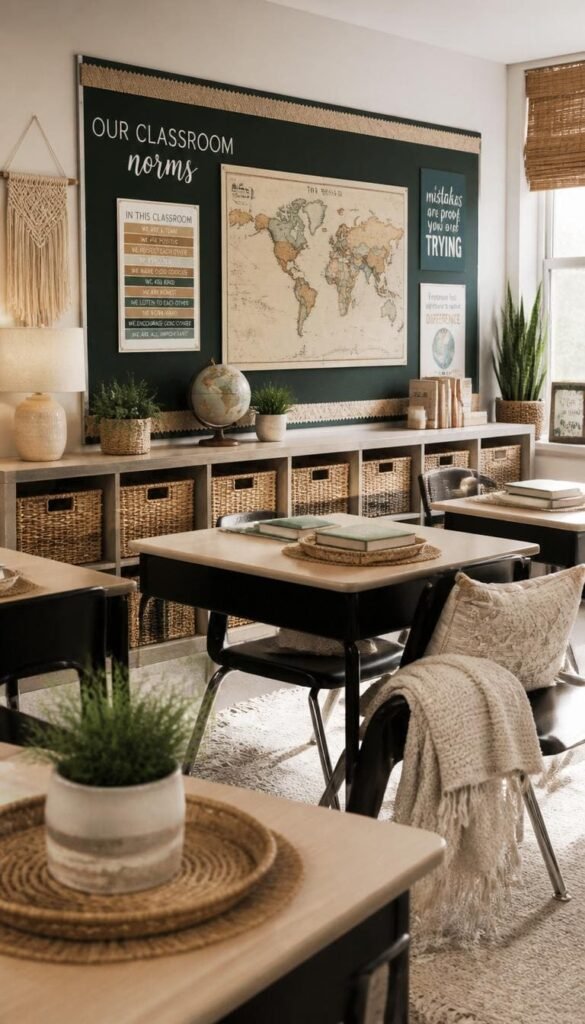
Choosing a classroom theme for middle school is genuinely different from choosing one for elementary. The theme needs to feel age-appropriate, visually cohesive, and flexible enough to still feel relevant in May when you are wrapping up the school year. A theme that feels exciting in August and exhausted by November is a theme that was not built to last.
The themes I consistently see work best at the secondary level are ones rooted in aesthetic rather than characters or novelty. Neutral boho, modern farmhouse, coffee shop vibes, vintage academic, coastal calm these all hold up across an entire school year because they are lifestyle-driven rather than trend-driven. Students grow into them rather than growing out of them.
One thing to watch out for is choosing a theme based purely on what looks good on Pinterest without considering how it functions in your actual space. A dark moody aesthetic looks stunning in photos but can feel oppressive in a windowless classroom. Always factor in your natural light situation, your wall colors, and your existing furniture before committing to a full theme purchase.
Is your biggest challenge right now the budget, the time to set everything up, or just figuring out where to actually begin?
16. Smart Classroom Furniture Layout for Engagement and Flow
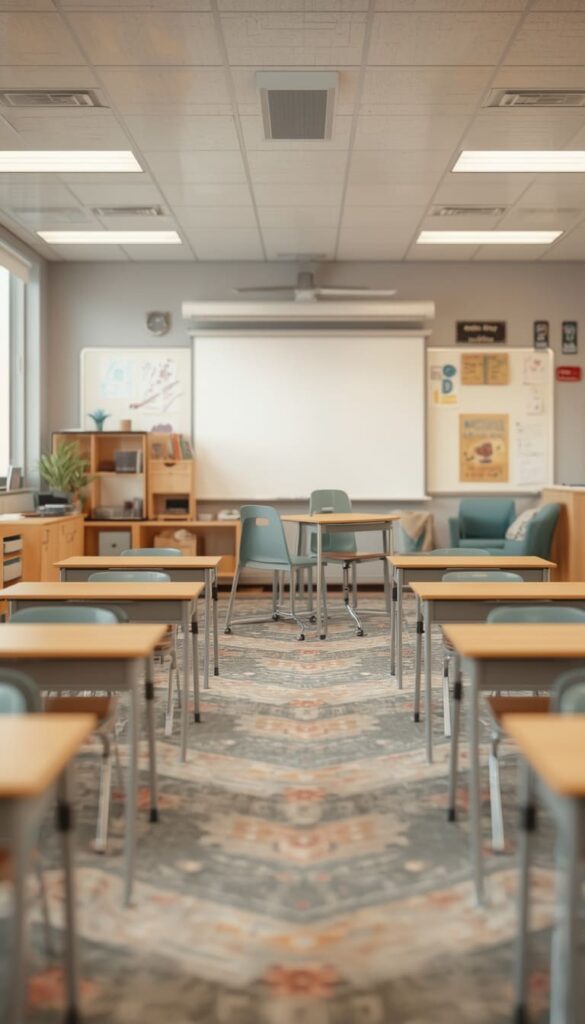
The way you arrange your furniture is the foundation that every single decor decision sits on top of. I saved this for last intentionally because most teachers think about furniture layout after they have already decorated and that is backwards. Your layout determines traffic flow, sight lines, collaboration zones, and how students physically experience the space every single day.
For middle school specifically, I recommend thinking about your room in three distinct zones. A direct instruction zone where all eyes can reach the board comfortably, a collaborative work zone where desks or tables can be grouped and regrouped easily, and an independent or flexible zone in the back or a corner where students can shift into quieter focused work. These three zones do not need to be rigidly separated they just need to be intentionally considered.
The furniture layout also directly impacts how your decor reads. A cluttered traffic path makes even the most beautiful classroom feel chaotic. Wide, clear pathways between furniture groupings make the whole room feel larger, calmer, and more intentional. A quick trick I have learned is to walk your own classroom like a student would on the first day enter through the door, navigate to a desk, and notice every friction point along the way. Fix those first before you hang a single poster.
Your 2 Minute Classroom Decor Decision Map
By Budget
Starter Classroom Setup (Under $100)
- Focus on bulletin board paper and printed digital downloads first
- DIY your labels, borders, and door decor using Canva or free Etsy printables
- One statement rug or seating cushion goes further than ten small accessories
- Dollar Target section in late July is your best friend
Investment Classroom Makeover ($100 to $300+)
- Commit to a full cohesive theme bundle with matching physical and digital pieces
- Invest in quality matching storage bins and a proper flexible seating option
- Add a reading nook with a real lamp, quality cushions, and a plant
- Spend on one or two permanent pieces that will last multiple school years
By Teaching Style
The Energetic Engager
- Bold accent wall, interactive bulletin boards, student contribution zones
- Flexible seating corner with variety — balls, cushions, bungee chairs
- Rotating seasonal displays that keep the room feeling alive all year
The Calm Cultivator
- Neutral palette, minimal wall clutter, one strong statement board
- Wellness corner front and center, soft lighting in reading nook
- Clean labeled storage, no visual noise, everything has a designated home
Frequently Asked Questions
What is the best color scheme for a middle school classroom?
Warm neutrals paired with one bold accent color work best. Avoid primary color overload it reads too young for grades 6 through 8.
How much does it cost to decorate a middle school classroom?
The average teacher spends $50 to $300 depending on DIY vs. pre-printed bundles. Digital printable packs are the most budget-friendly starting point at $8 to $20.
Does classroom decor actually improve student engagement?
Yes, and research backs it up. A visually organized, intentionally designed space reduces anxiety and helps middle schoolers feel the room was built for them specifically.
How often should I update my classroom decor?
Ideally, refresh two or three swap zones every 6 to 8 weeks. Your core theme and permanent displays should stay consistent all year.
What classroom themes work best for middle school?
Neutral boho, vintage academic, and modern farmhouse hold up all year. Character-based or novelty themes tend to feel outdated by spring semester.
Conclusion
Your classroom does not need to be perfect it needs to be yours. Pick one idea from this list, just one, and act on it this week. Move a desk, order that bulletin board paper, or finally commit to a color palette you have been sitting on for months. The teachers whose classrooms I have seen change student culture the most were not the ones with the biggest budgets they were the ones who made intentional decisions with what they had. Your students will feel that care the moment they walk through your door.
So tell me which of these 16 middle school classroom decor ideas are you tackling first this year?
